







Gold Mines in India: Complete List of Major Reserves and Locations

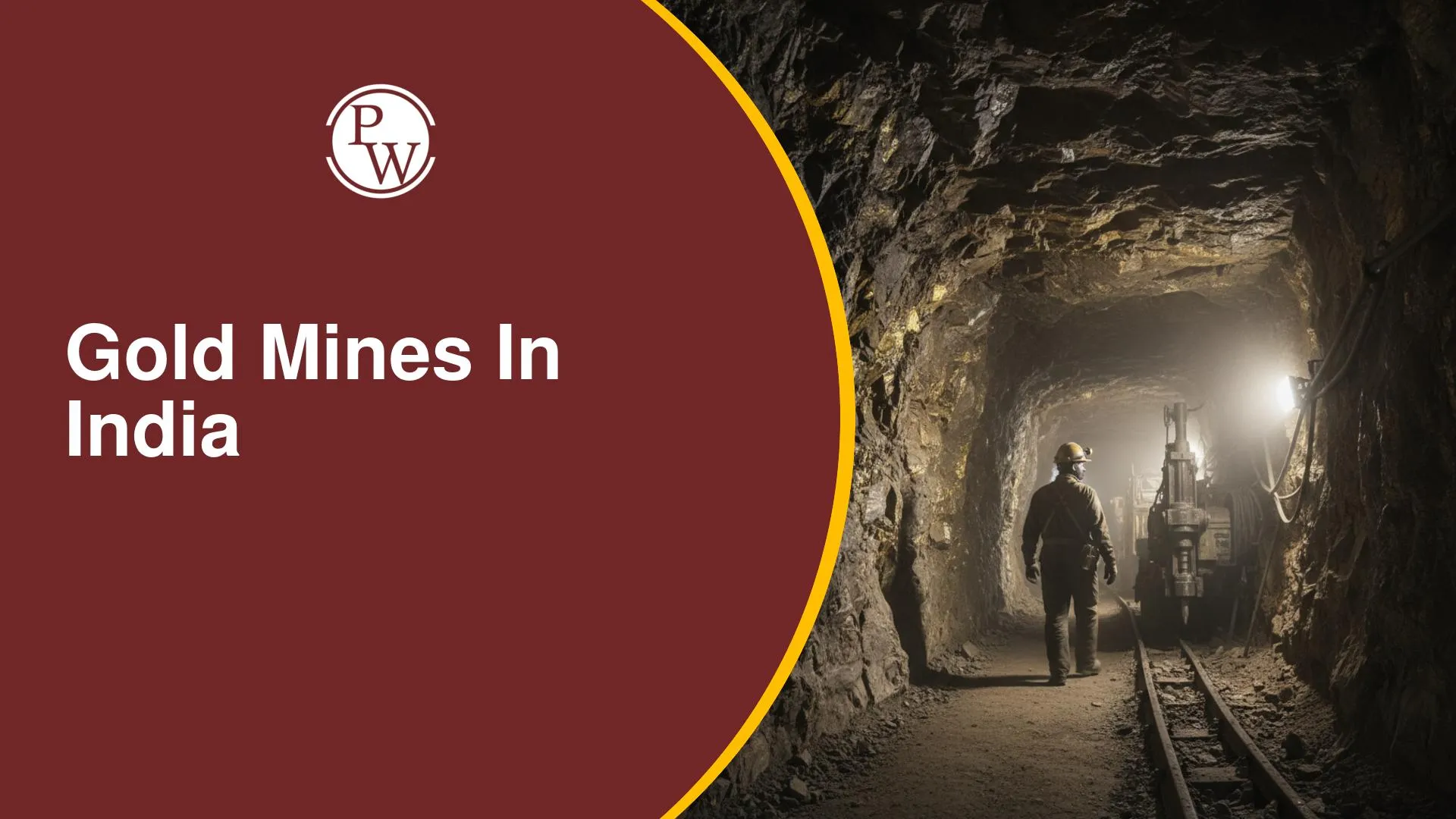
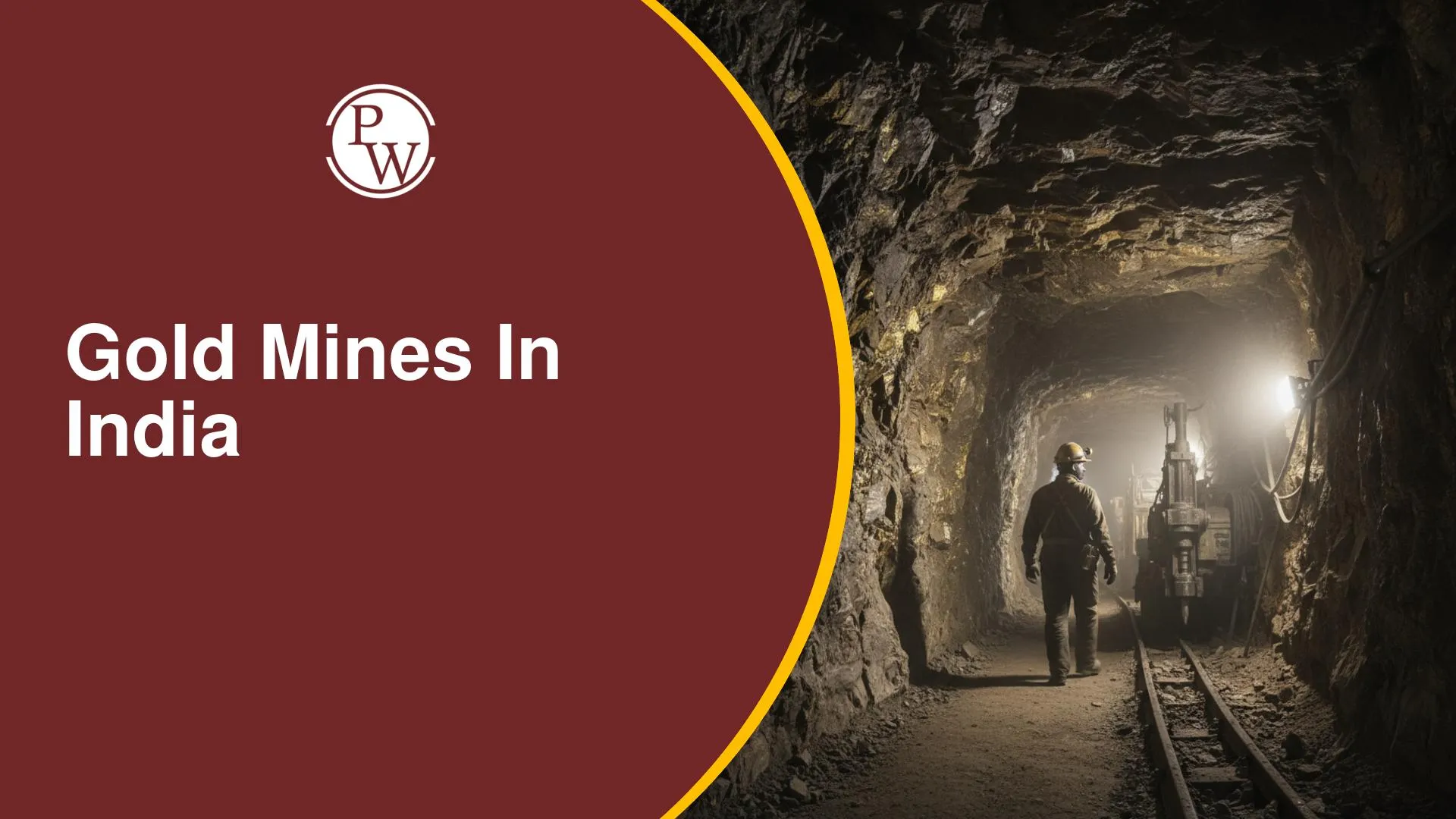
Gold mines in India are an important part of the country’s mineral wealth and economic history. Although India is one of the largest consumers of gold in the world, its domestic gold production remains limited. The story of gold mining in India goes back thousands of years, with famous sites like the historic Kolar Gold Fields and the active Hutti Gold Mines Karnataka playing a key role.
Today, gold reserves in India are mainly found in states like Karnataka, Andhra Pradesh, and Jharkhand. With continuous efforts by the Geological Survey of India, new gold exploration projects are expanding the gold mines of India and strengthening the country’s mining sector.
Gold Mines in India
Gold has remained a cornerstone of Indian culture and economy for centuries. Despite being one of the largest consumers of the yellow metal globally, the story of gold mining in India is one of untapped potential and historic legacy.
A detailed overview of the gold mines in India highlights the major gold-producing states in India and the ongoing efforts by the Geological Survey of India gold exploration teams to strengthen domestic production.
Landscape of Gold Mining in India
The history of gold mining in India dates back millennia, but modern organized mining took shape during the British era. Today, the sector is characterized by a mix of historic sites and modern facilities operated by various gold mining companies in India. The primary objective of these entities is to tap into the vast gold ore resources in India to meet the rising demand.
Major Gold Mines in India
When discussing the list of gold mines in India, three names stand out due to their historical and economic significance:
-
Hutti Gold Mines, Karnataka: Currently the largest gold mine in India, it is the only installation in the country that produces gold by mining and processing the ore directly. The Hutti gold mines Karnataka are known for their deep-seated deposits and efficient extraction methods.
-
Kolar Gold Fields (KGF): Located in the Kolar district of Karnataka, these were once the premier gold mines in India. Known for underground gold mining India, KGF reached depths of over 3,000 meters before operations were suspended in 2001 due to high costs and depleting ore grades.
-
Ramagiri Gold Mine: Situated in Andhra Pradesh, this site was a significant contributor to the gold mines in Andhra Pradesh portfolio. While currently seeing reduced activity, it remains a key point of interest for future redevelopment.
Gold Distribution in India: Key States and Deposits
The gold distribution in India is not uniform; it is concentrated in specific geological patches known as greenstone belts.
1. Gold Mines in Karnataka
Karnataka is the undisputed leader in gold reserves in India. The state's geology is rich in auriferous (gold-bearing) lodes. Apart from Hutti and Kolar, several other prospects are being evaluated to increase gold production in India.
2. Gold Mines in Andhra Pradesh
Andhra Pradesh holds the second-largest position regarding gold ore resources in India. The Ramagiri belt in Anantapur and the Bisanatham area are the most notable locations when identifying gold mines in Andhra Pradesh.
3. Gold Mines in Jharkhand
The eastern part of the country also contributes to the national resource. Gold mines in Jharkhand, such as the Kundrekocha mine, have historically produced gold, and the state continues to be a focus for gold mining companies in India looking for reef gold.
Understanding Gold Reserves in India
As per the National Mineral Inventory, the total primary gold reserves in India are estimated at several hundred million tonnes of ore, though only a small fraction is classified as "reserves" that are economically viable to mine under current technology. The rest is categorized as "remaining resources."
Geological Survey of India Gold Exploration
Geological Survey of India gold exploration wing plays a pivotal role in identifying new deposits. Their work involves detailed mapping and drilling to quantify the gold ore resources in India. Recent explorations have focused on:
-
Sonbhadra Gold Deposits: Located in Uttar Pradesh, these deposits made headlines recently. While initial speculations were high, the GSI confirmed substantial resources that require further feasibility studies for active gold mining in India.
-
Rajasthan and Madhya Pradesh: New surveys have indicated potential gold-bearing rocks in these states, expanding the gold mines of India.
Detailed List of Gold Mines in India
Below is a summarized list of gold mines in India categorized by their current status and location:
|
Detailed List of Gold Mines in India |
||
|
Mine Name |
State |
Significance |
|
Hutti Mines |
Karnataka |
Largest gold mine in India (Active) |
|
Kolar Gold Fields |
Karnataka |
Historic underground gold mining India |
|
Ramagiri |
Andhra Pradesh |
Major deposit in the Anantapur belt |
|
Kundrekocha |
Jharkhand |
Notable among gold mines in Jharkhand |
|
Hira-Buddinni |
Karnataka |
Satellite deposit of the Hutti belt |
|
Jonnagiri |
Andhra Pradesh |
Private sector exploration site |
Challenges and Future of Gold Production in India
The gold production in India currently accounts for only a tiny fraction of the global output. However, the future looks promising due to:
-
New Policies: Encouraging private gold mining companies in India to participate in auctions.
-
Technological Advancement: Implementing modern techniques for underground gold mining India to reach deeper deposits safely.
-
Focus on Alluvial Gold: Exploration of "placer" or alluvial gold in riverbeds across North India.
Gold Mines in India FAQs
Which state has the highest gold reserves in India?
Are the Kolar Gold Fields still active?
What was the significance of the Sonbhadra gold deposits?
Who manages the gold mines in Andhra Pradesh?
















 Live & recorded classes available at easeDashboard for progress trackingLakhs of practice questions


