National Calendar of India: History, Saka Era, Months, Conversion & Key Details for Exams

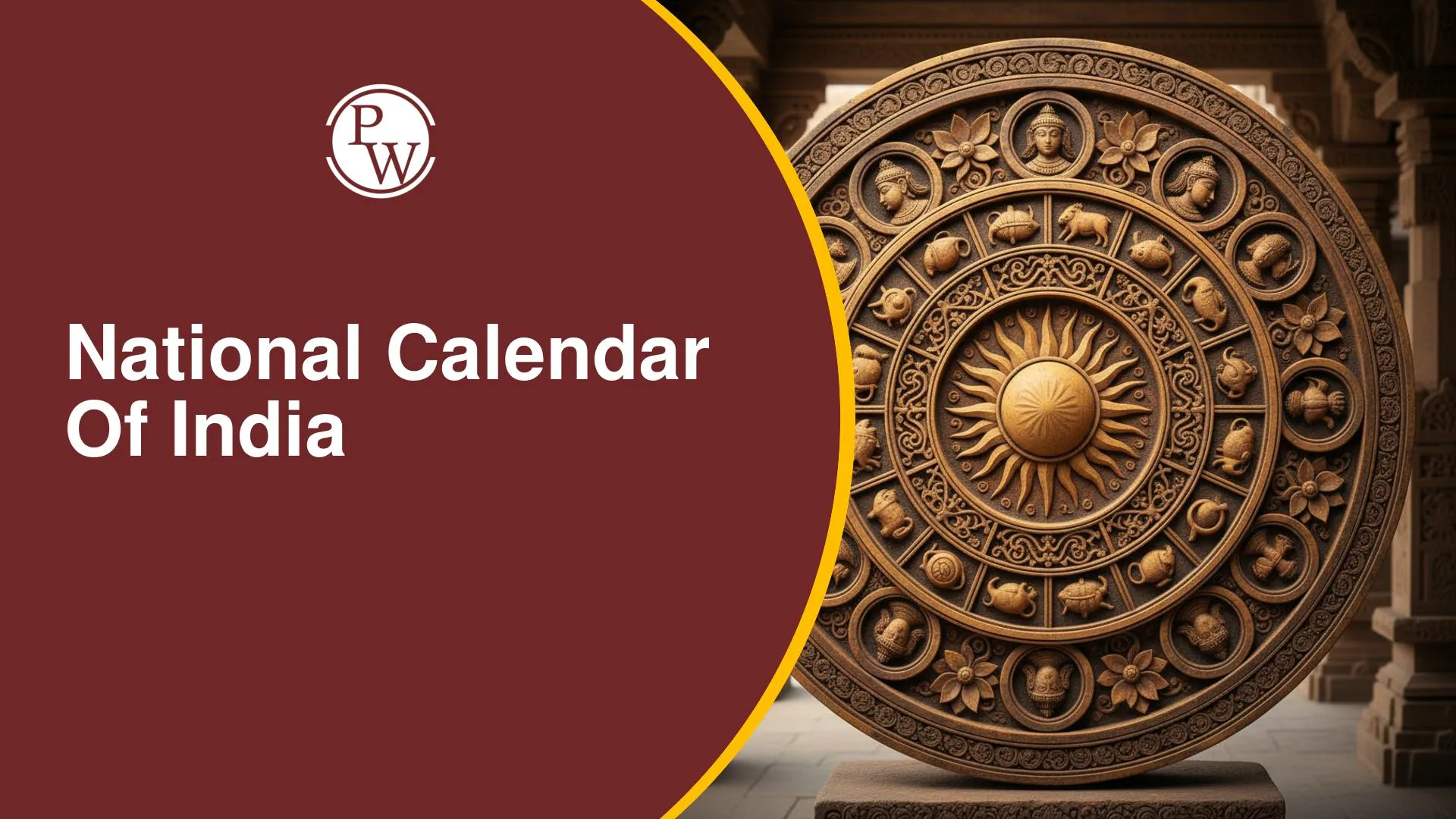
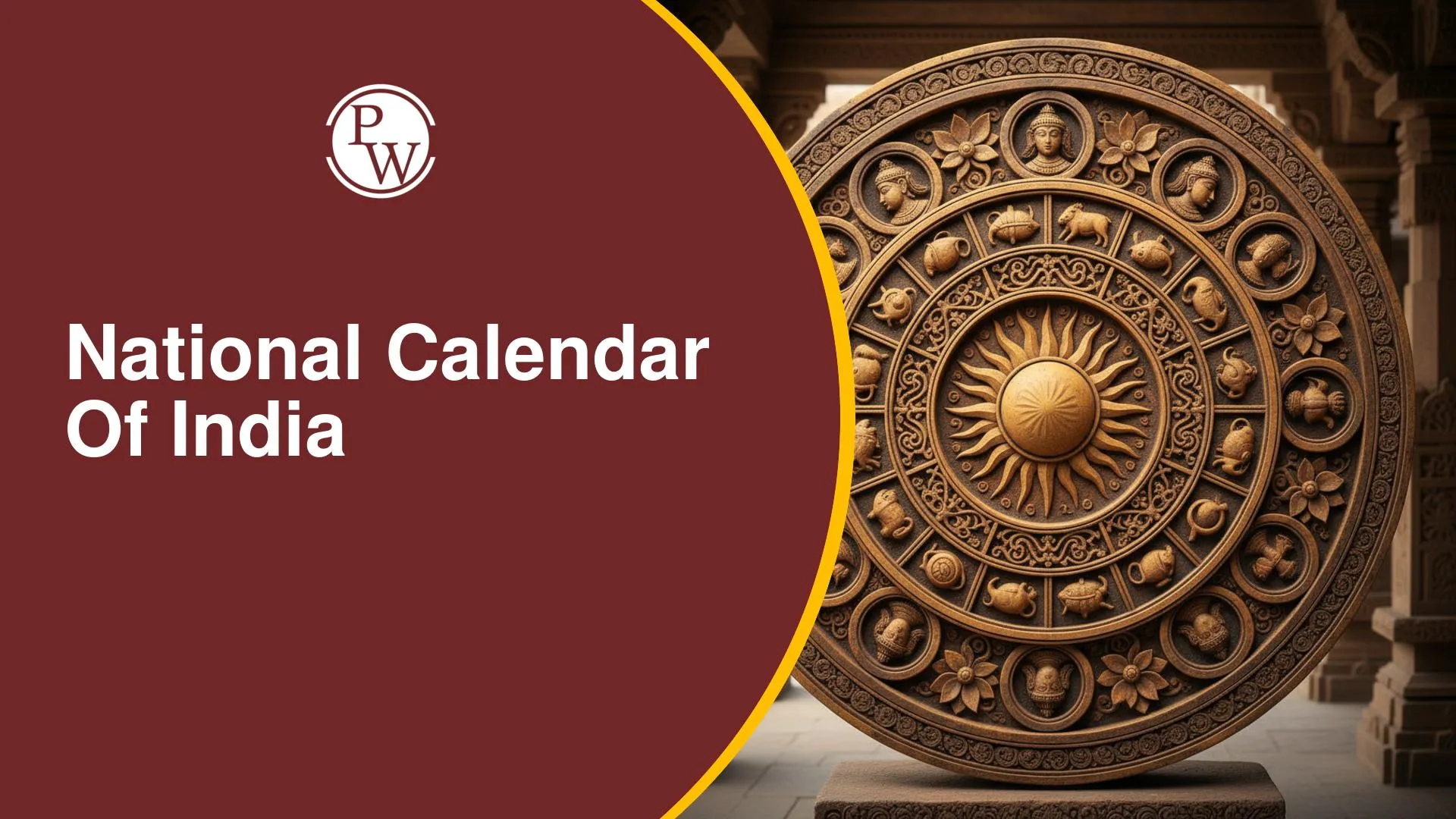
National Calendar of India is the official civil calendar used by the Government of India, based on the Saka era starting from 78 AD. Adopted in 1957, it works alongside the Gregorian calendar and ensures uniformity in administrative records and official communication.
It consists of 12 solar months beginning with Chaitra and follows scientific calculations. Important for exams, it helps in understanding Indian time systems, calendar conversion, and the difference between the Saka and Gregorian calendars.
What is the National Calendar of India?
The National Calendar of India is also called the Indian civil calendar and was adopted in 1957 to bring uniformity in the Indian calendar system.
-
Official calendar used by the Indian government
-
Based on the Saka calendar India
-
Adopted in national calendar of India 1957 reform
-
Used along with the Gregorian calendar
-
Follows a solar calendar system
-
Helps maintain consistency in official records
Indian National Calendar History
The Indian national calendar history started after independence, when multiple regional calendars created confusion.
-
Calendar Reform Committee formed in 1952
-
Led by scientist Meghnad Saha
-
Aim: Standardize the Indian government calendar system
-
Recommended the Saka era calendar
-
Officially adopted in 1957
Structure of National Calendar of India Months
The national calendar of India months is based on solar movements and follows fixed durations.
-
First month: Chaitra
-
The year begins on March 22 (March 21 in leap year)
-
Total months: 12
-
Follows scientific solar calculation
-
Known as Saka calendar months names
Months in National Calendar of India
The following table shows the national calendar of India months with their number of days and corresponding Gregorian equivalents.
|
Saka Month |
Days |
Gregorian Equivalent |
|
Chaitra |
30/31 |
March–April |
|
Vaishakha |
31 |
April–May |
|
Jyeshtha |
31 |
May–June |
|
Ashadha |
31 |
June–July |
|
Shravana |
31 |
July–August |
|
Bhadra |
31 |
August–September |
|
Ashwin |
30 |
September–October |
|
Kartika |
30 |
October–November |
|
Agrahayana |
30 |
November–December |
|
Pausha |
30 |
December–January |
|
Magha |
30 |
January–February |
|
Phalguna |
30 |
February–March |
Saka Calendar vs Gregorian Calendar
The Saka calendar vs Gregorian calendar comparison is important for exams.
-
Saka calendar origin: India
-
Gregorian calendar origin: Europe
-
Saka year starts in March, Gregorian in January
-
Both are solar calendars
-
Gregorian calendar used globally
-
Saka calendar used in Indian government calendar system
Importance of National Calendar of India
The National Calendar of India ensures uniformity in official work.
-
Used in government notifications
-
Appears in All India Radio news
-
Used in Gazette of India
-
Maintains consistency in records
-
Important for civil administration
Indian Calendar System
India follows multiple calendar systems, but the Indian national calendar is the official one.
-
India has both lunar and solar calendars
-
Regional calendars still exist
-
National calendar standardizes official use
-
Part of the broader Indian calendar system
-
Maintains cultural and scientific balance
Saka Calendar Dates Conversion
Understanding Saka calendar dates conversion is useful for exams.
-
Gregorian year – 78 = Saka year
-
Saka year + 78 = Gregorian year
-
Helps in converting official records
-
Important for historical and administrative data
-
Frequently asked in competitive exams
Why India Uses Two Calendars?
India follows both the Indian national calendar and the Gregorian calendar to balance administrative needs and global coordination. The Gregorian calendar is widely used for international communication, trade, and global events, ensuring smooth interaction with other countries.
On the other hand, the National Calendar of India, based on the Saka system, is used for official government purposes such as gazettes and formal records. This dual system helps maintain global compatibility while preserving India’s cultural and historical identity.
At the same time, it ensures uniformity and accuracy in the Indian government calendar system for administrative work across the country.
The National Calendar of India is a scientifically designed system that plays a key role in the country’s administrative framework. Based on the Saka era calendar, it ensures uniformity, accuracy, and cultural relevance.
National Calendar of India FAQs
What is the National Calendar of India?
When was the Indian national calendar adopted?
What is the first month in the Saka calendar in India?