SFURTI Scheme: Full Form, Eligibility, Objectives, and Key Details

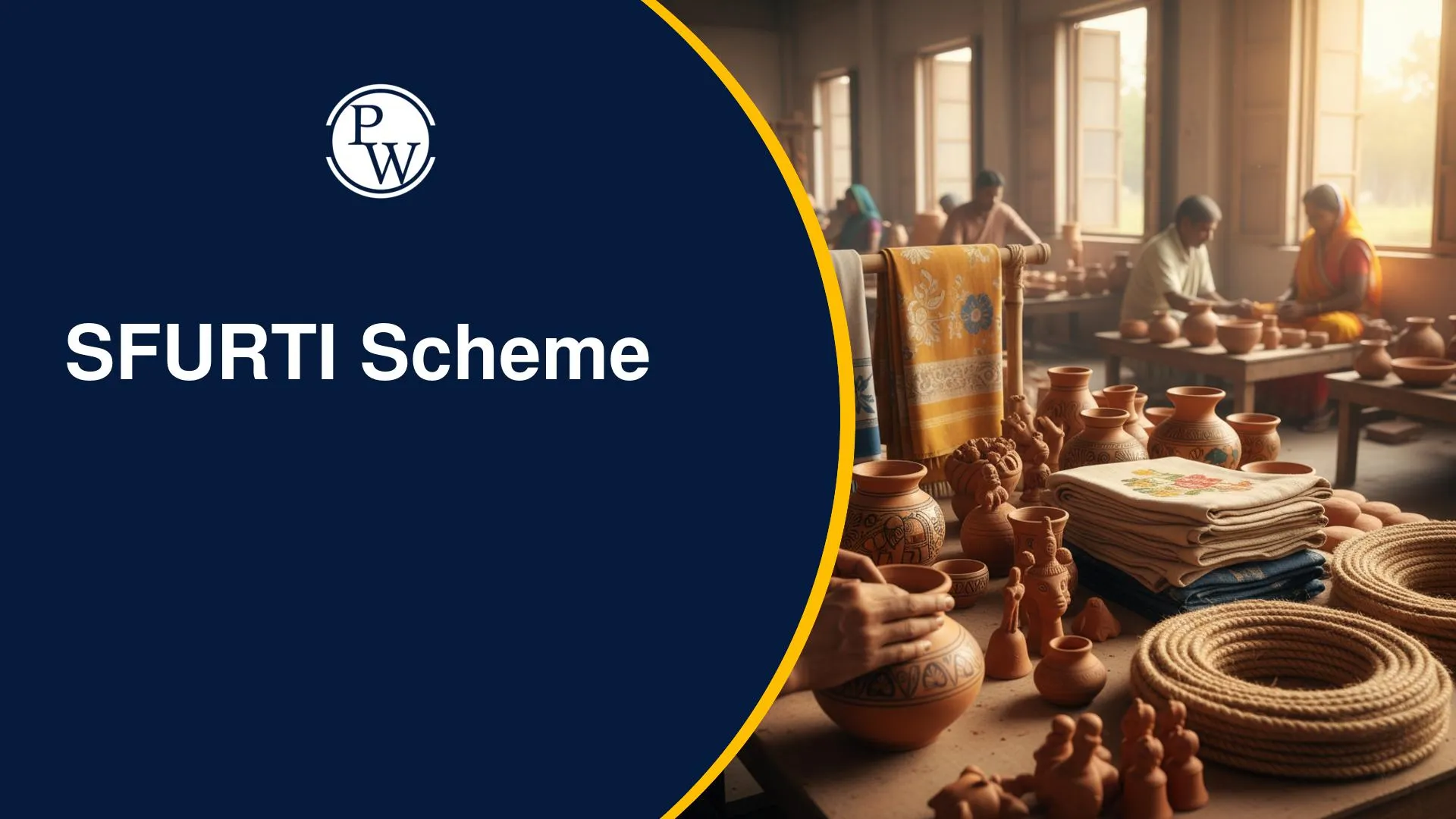
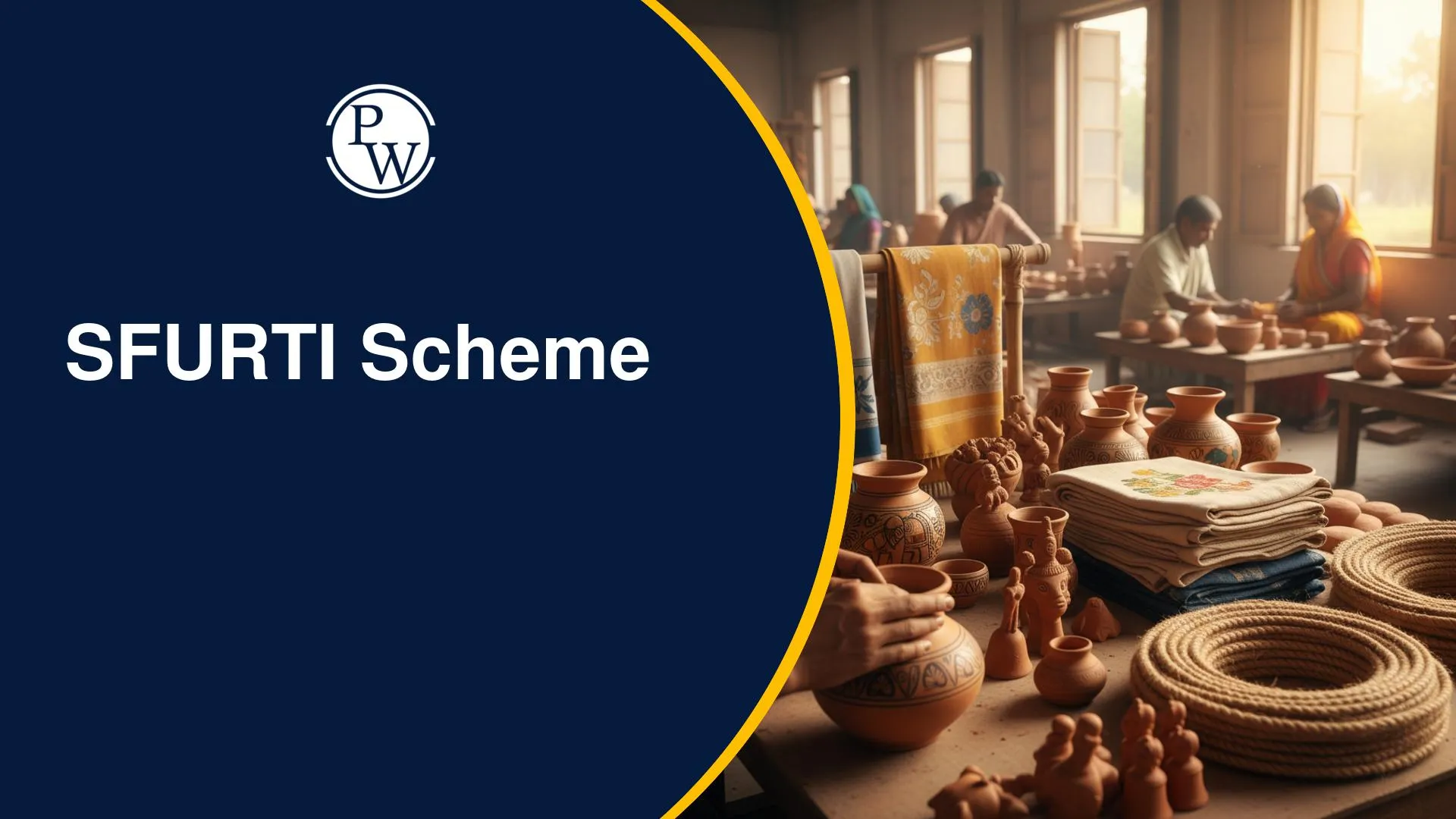
SFURTI Scheme is an important initiative introduced by the Government of India to support traditional industries and artisans. It focuses on improving the livelihood of people who are engaged in age-old crafts and rural production activities.
These industries often face challenges such as low productivity, limited market access, and lack of modern tools. The scheme aims to address these issues through a structured cluster-based approach.
Here, you will understand the SFURTI Scheme, its full form, eligibility, objectives, features, funding support, and implementation process.
SFURTI Full Form and Meaning
The SFURTI full form is Scheme of Fund for Regeneration of Traditional Industries. It was launched in 2005 under the SFURTI scheme Ministry of MSME to strengthen traditional industries across India.
The main idea behind the scheme is to organize artisans into clusters. These clusters help them work together, share resources, and improve production. It also supports infrastructure, training, and marketing so that artisans can grow their income.
The SFURTI scheme India focuses on industries such as khadi, village industries, and coir-based activities. These sectors are an important part of traditional industries development India, especially in rural and semi-urban areas.
Objectives of the SFURTI Scheme
The SFURTI scheme objectives are designed to improve the overall condition of traditional industries. The scheme focuses on both economic and social development.
Some of the key objectives are:
-
To organize artisans into well-managed clusters
-
To improve productivity using better tools and technology
-
To support product development and design improvements
-
To enhance market access for traditional products
-
To create sustainable employment opportunities
-
To strengthen institutional support and governance within clusters
The scheme also supports training programs. These programs help artisans learn new skills and improve their work quality.
Key Features of the SFURTI Scheme
The SFURTI scheme features make it a structured and practical initiative for cluster development. It includes different types of support for artisans and organizations. The SFURTI scheme features two main types of interventions for cluster development:
-
Hard Interventions: These focus on physical infrastructure. They include building Common Facility Centers (CFCs), buying and setting up machinery, and providing raw material banks.
-
Soft Interventions: These focus on human and market development. They involve conducting training programs, organizing exposure visits, and facilitating buyer-seller meets. The scheme also supports marketing strategies, including using online marketing platforms and e-commerce.
Types of Traditional Industries Covered
The scheme supports three main categories:
-
Khadi industries under the khadi and village industries scheme
-
Village industries such as handicrafts and rural products
-
Coir-based industries under coir industry development India
These sectors are essential for rural employment and cultural preservation.
Eligibility for SFURTI Scheme
The SFURTI Scheme is designed for organizations that work with groups of artisans rather than individual applicants. The aim is to promote collective development through cluster-based support.
Eligible Individuals and Groups
The following entities can apply under the SFURTI scheme eligibility criteria:
-
Non-Government Organizations (NGOs)
-
Institutions of the Central and State Governments
-
Semi-Government institutions
-
Field functionaries of the State and Central Governments
-
Panchayati Raj Institutions (PRIs)
These organizations act as implementing bodies that support artisans and ensure proper execution of the scheme at the ground level.
Cluster Criteria under SFURTI
Apart from eligible institutions, the selection of clusters is an important part of this Scheme. The scheme focuses on grouping artisans and related stakeholders into well-defined clusters.
Key cluster criteria include:
-
Clusters are selected based on geographic concentration
-
A cluster generally includes around 500 beneficiary families
-
These families may consist of artisans, micro-enterprises, raw material suppliers, traders, and service providers
-
The cluster area usually covers one or two revenue subdivisions within a district or nearby districts
Additional Considerations for Cluster Selection
While selecting clusters under the Scheme, the following factors are also considered:
-
Potential for increased production and output
-
Scope for generating employment opportunities
-
Balanced geographic distribution across the country
-
At least a portion of the clusters is focused on the Northeast region to ensure inclusive development
Types of Interventions in SFURTI Scheme
The SFURTI Scheme provides three types of interventions to support clusters.
1. Soft Interventions
These include:
-
Skill development training
-
Exposure visits
-
Awareness programs
-
Design and product development
-
Trust-building and motivation activities
2. Hard Interventions
These involve physical infrastructure such as:
-
Common Facility Centres (CFCs)
-
Raw Material Banks
-
Warehousing and processing units
-
Improved tools and machinery
3. Thematic Interventions
These focus on broader improvements like:
-
Brand development
-
E-commerce support
-
Digital marketing
-
Innovation and new product strategies
Institutional Structure of the Scheme
The SFURTI scheme implementation involves different agencies working together.
Scheme Steering Committee (SSC)
It provides overall guidance and policy direction.
Nodal Agencies (NA)
Organizations like the Khadi and Village Industries Commission and Coir Board act as nodal agencies.
Technical Agencies (TA)
They provide technical and professional support to clusters.
Implementing Agencies (IA)
These are responsible for executing the project at the ground level.
Funding and Financial Assistance
The SFURTI scheme funding assistance supports clusters with financial resources for development.
-
Regular clusters can receive support up to ₹2.50 crore
-
Larger clusters can receive support up to ₹5 crore
The funds are used for infrastructure, training, and marketing activities. However, land purchase is not allowed under the scheme.
Promoters are required to contribute a small portion towards project costs. This ensures shared responsibility and better execution.
Application Process
Online Application
-
Visit the official portal
-
Register with the required details
-
Fill the application form
-
Upload necessary documents
-
Submit the proposal
Offline Application
-
Prepare a detailed project report
-
Submit it to the regional KVIC office
-
The proposal goes through multiple levels of review
-
Final approval is given by the Steering Committee
Documents Required
Applicants need to provide:
-
Registration certificate
-
Organizational details
-
List of governing members
-
Financial statements
-
Bank account details
-
Work experience and project details
Additional documents may be required depending on the project.
Benefits of SFURTI Scheme
The SFURTI scheme benefits artisans significantly.
-
Income Increase: Reviews show artisan incomes generally increase by 15-18%. This is due to better value addition, diverse products, and access to both local and export markets.
-
Employment Generation: The scheme expands employment by creating regular wage-based work at Common Facility Centers. This leads to more stable livelihoods in rural areas.
-
Market Access: Artisans gain wider market access through organized marketing efforts and focus on e-commerce. This helps them reach more customers.
The scheme also plays a role in strengthening rural employment schemes India by creating stable work opportunities.
Recent Developments and Impact
According to the recent SFURTI scheme current affairs, many clusters have been approved across the country. These clusters support lakhs of artisans engaged in traditional work.
Key activities include:
-
Setting up Common Facility Centres
-
Organizing training and exposure visits
-
Promoting products through digital platforms
-
Supporting marketing and branding efforts
There has been a noticeable improvement in income levels due to better product quality and market access.
Importance for UPSC Exams
The SFURTI scheme UPSC is an important topic for students preparing for government exams. It is relevant under sections related to:
-
Government schemes
-
Rural development
-
MSME sector
-
Employment generation
Understanding its objectives, features, and implementation can help in both prelims and mains exams.
SFURTI Scheme Guidelines
The scheme guideline provides a structured framework for cluster development. The revised guidelines introduced new features such as:
-
Formation of Special Purpose Vehicles (SPVs)
-
Focus on long-term sustainability
-
Improved monitoring and evaluation systems
These changes help ensure that clusters continue to grow even after the project period ends.
The Scheme plays a key role in supporting traditional industries in India. It focuses on cluster-based development, skill improvement, and better market access. By organizing artisans and providing financial and technical support, the scheme helps in creating stable livelihoods.
This Scheme also contributes to preserving cultural heritage while promoting economic growth. With continued efforts and proper implementation, the Scheme can strengthen rural industries and create long-term opportunities for artisans.
SFURTI Scheme FAQs
What is the SFURTI Scheme?
Who can apply for the SFURTI Scheme?
What is the SFURTI full form?