

Shubham Kumar UPSC Topper: His Journey to AIR 1 in 2020



The journey of Shubham Kumar stands as a strong example of how consistency and the right strategy can help crack UPSC. Known as the Shubham Kumar UPSC topper, he secured AIR 1 in UPSC 2020 in his third attempt. His story is especially inspiring for aspirants who face setbacks, as he turned failure into a stepping stone and refined his approach with each attempt.
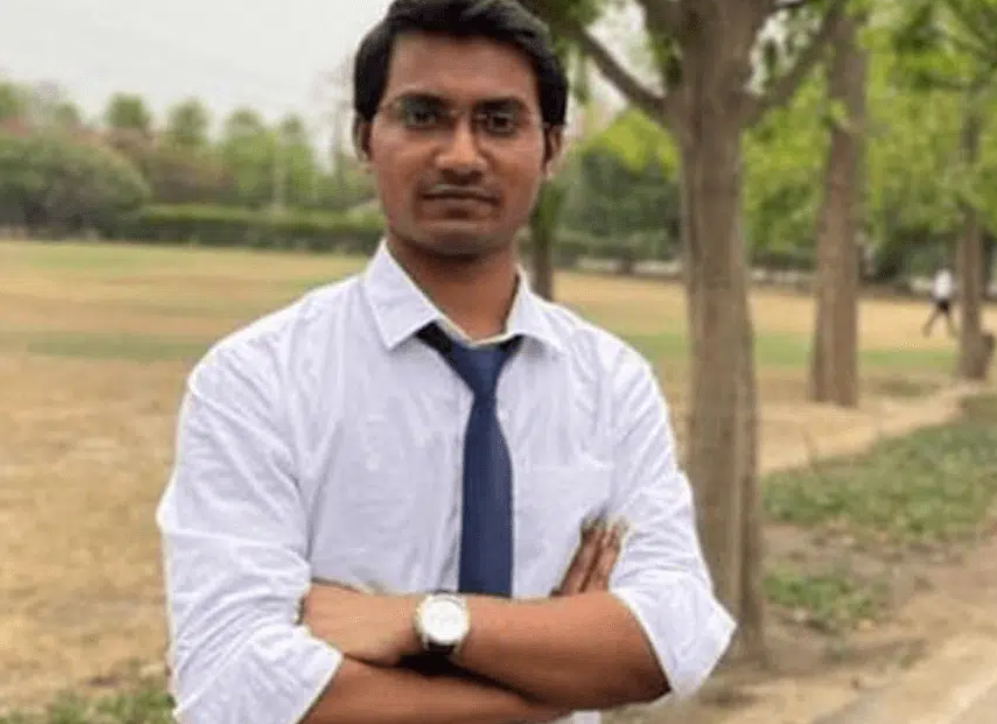
About Shubham Kumar (AIR 1, 2020)
Shubham Kumar comes from Katihar, Bihar, and pursued Civil Engineering from IIT Bombay. His academic background helped him build strong analytical skills, which later supported his UPSC preparation. He prepared with a clear goal of joining the IAS and remained focused despite early challenges. His journey reflects discipline, patience, and the ability to improve continuously.
|
Shubham Kumar's Biography and Early Life |
|
|---|---|
|
Category |
Details
|
|
Name |
Shubham Kumar |
|
Age |
24 years (at qualifying time) |
|
Rank |
1 |
|
Attempt |
3rd |
|
Optional Subject |
Anthropology |
|
Hometown |
Katihar, Bihar |
|
College & Stream |
IIT Bombay, Civil Engineering |
|
Selected Service |
Indian Administrative Service (IAS) |
Shubham Kumar Biography and Early Life
Shubham Kumar was born in Bihar and grew up in a supportive family environment. His father worked as a bank manager, while his mother was a homemaker. From an early stage, he showed strong academic performance. He completed his schooling from reputed institutions and later joined IIT Bombay in 2013. During his college years, he developed an interest in governance and public service, which motivated him to prepare for UPSC after graduation.
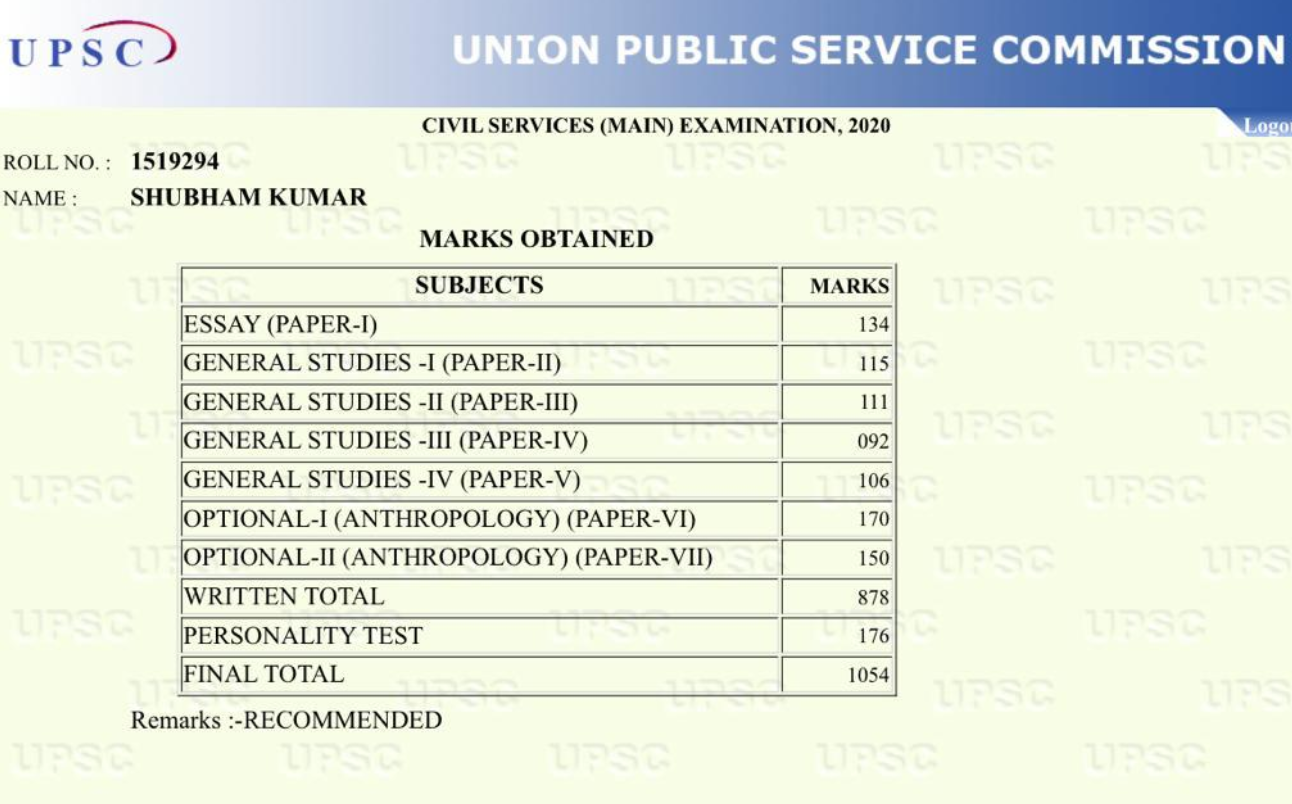
Shubham Kumar Marks (UPSC 2020)
His marks reflect a balanced and strategic performance across all stages of the exam.
|
Shubham Kumar Marks (UPSC 2020) |
|
|
Subject |
Marks |
|
Essay |
134 |
|
GS I |
115 |
|
GS II |
111 |
|
GS III |
92 |
|
GS IV |
106 |
|
Optional I (Anthropology) |
170 |
|
Optional II (Anthropology) |
150 |
|
Written Total |
878 |
|
Shubham Kumar Interview Marks |
176 |
|
Final Total |
1054 |
He did not rely on extreme scores in one paper but maintained consistency across all subjects. His optional subject and interview performance played a key role in securing the top rank.
Shubham Kumar Attempts
The Shubham Kumar journey clearly shows that success in UPSC is a process of improvement.
-
In 2018, he faced failure in his first attempt, which helped him understand the exam better.
-
In 2019, he secured AIR 290 and joined the Indian Defence Accounts Service.
-
Despite achieving a good rank, he aimed higher and continued his preparation.
-
In 2020, he secured AIR 1 after refining his strategy.
This journey highlights the importance of persistence and learning from mistakes.
Shubham Kumar Preparation Strategy
Shubham Kumar followed a focused and practical approach to preparation. Instead of using too many resources, he concentrated on understanding concepts and revising them multiple times. Shubham Kumar's strategy revolved around building clarity in subjects, linking current affairs with static topics, and practicing answer writing regularly. This helped him improve both knowledge and presentation.
Shubham Kumar Optional Subject: Anthropology
Choosing Anthropology as his optional subject proved to be a smart decision. It helped him score high marks and improve his overall ranking.
-
He focused on conceptual clarity rather than memorization.
-
He used diagrams to enhance answer quality.
-
Regular practice helped him improve answer writing.
-
His strong performance in optional gave him an edge.
Interview Strategy
The interview stage required him to present his personality effectively. He focused on clarity, confidence, and awareness.
-
He attended mock interviews to get comfortable with the process.
-
He prepared thoroughly from his DAF.
-
Staying calm helped him handle questions confidently.
-
His awareness of current affairs strengthened his answers.
Shubham Kumar Success Story
The Shubham Kumar success story is about persistence and adaptability. He did not succeed in his first attempt, but instead of giving up, he worked on his weaknesses. His improvement from AIR 290 to AIR 1 shows how refining strategy and staying consistent can lead to exceptional results. His journey inspires aspirants to stay patient and focused.
Key Lessons from Shubham Kumar UPSC 2020 Topper
The journey of Shubham Kumar offers important lessons for aspirants.
-
Consistency matters more than studying for long hours occasionally.
-
Failures should be used as learning opportunities.
-
Basic sources like NCERTs are sufficient when revised properly.
-
Revision and answer writing are essential for success.
The story of shubham kumar upsc topper proves that success in UPSC depends on discipline, smart planning, and continuous improvement. His journey from failure to AIR 1 is a reminder that with the right mindset, any aspirant can achieve their goal.
Shubham Kumar UPSC Topper FAQs
1. Who is Shubham Kumar UPSC topper?
2. What was Shubham Kumar AIR 1 optional subject?
3. How many attempts did Shubham Kumar take to clear UPSC?