Top 3 Videos on Protected Area Network of India for UPSC Environment by PW


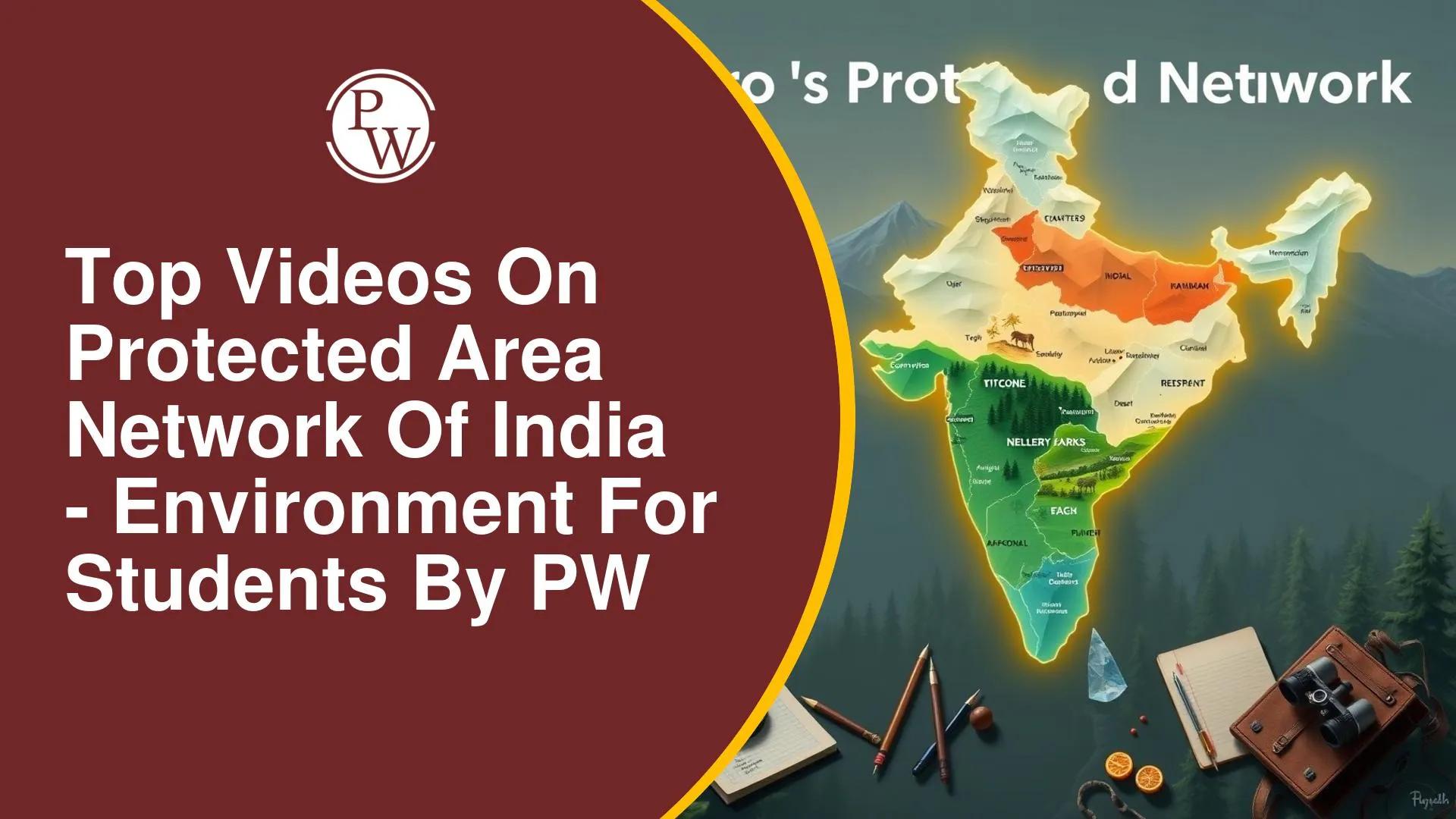
The Protected Area Network of India is an important topic in Environment and Ecology for UPSC. However, remembering National Parks, Wildlife Sanctuaries, Biosphere Reserves and other conservation categories can be confusing. You may also find it difficult to recall their locations, states, habitats and related wildlife during revision.
PW videos help you understand these categories through chapter explanations, state-wise examples and map-based learning. You can use them to compare protected areas, connect locations with species and revise important facts for UPSC Prelims and Mains. These videos are useful when you want to build your basic understanding and improve your recall through examples.
Video 1: Build Concept Clarity with a Full-Chapter Explanation of Protected Areas
If you are learning the Protected Area Network of India for the first time, start with this full-chapter video. It covers National Parks, Wildlife Sanctuaries and Biosphere Reserves, along with broader conservation strategies. You can understand the main protected-area categories and how they support wildlife and habitat conservation. The chapter-level explanation helps you connect the basic concepts before moving to state-wise examples and detailed facts. Use this video to prepare your initial notes and build a clear base for Environment questions in UPSC Prelims and Mains.
Refer to the UPSC Prelims Environment and Ecology Syllabus 2026 to review biodiversity, conservation initiatives, protected areas and other topics included in your preparation.
Video 2: Improve State-Wise Recall with Maps and Wildlife Examples
Remembering protected areas by name alone can make revision difficult. This video uses state-wise examples and maps to help you connect locations with wildlife and habitats. It covers National Parks, Tiger Reserves, Wildlife Sanctuaries and related landscapes, including Sanjay Gandhi, Chandoli, Sundarbans, Buxa, Jaldapara, Gorumara, Similipal, Bhitarkanika and Gir. It also connects these places with species such as tigers, rhinoceroses, red pandas, elephants, olive ridley turtles and Asiatic lions. Use these examples to improve map-based recall and prepare for location-specific questions.
Revising important Environment topics for Prelims 2026? Read Important Topics for UPSC Prelims 2026 to review biodiversity, wildlife sanctuaries, national parks, environmental laws and other high-priority areas.
Video 3: Revise All Five Protected Area Categories with Maps and Current Affairs
This video covers five important categories in India's Protected Area Network: National Parks, Wildlife Sanctuaries, Biosphere Reserves, Conservation Reserves and Community Reserves. It uses maps, key facts and current-affairs links to connect protected areas with their locations and conservation role. The explanation also draws on NCERT and other sources to support UPSC preparation. You can use it to compare the different categories, revise important locations and connect static Environment concepts with current developments. It is useful for both your first round of learning and final chapter revision.
Want to connect static topics with recent developments? Go through Current Affairs Important Topics for UPSC Prelims 2026 to revise Environment-related developments, including protected-area and wildlife topics in the news.
How to Revise the Protected Area Network of India for UPSC
Watching the videos can help you understand the topic, but you also need to revise names, locations and conservation categories regularly. Follow these steps to make your revision more useful:
-
Learn the main categories: Start with National Parks, Wildlife Sanctuaries, Biosphere Reserves, Conservation Reserves and Community Reserves.
-
Prepare state-wise notes: List important protected areas under their respective states and union territories.
-
Practise map-based revision: Locate important parks, sanctuaries and reserves on an India map.
-
Connect areas with wildlife: Note important species, habitats and ecological features associated with each location.
-
Link static topics with current affairs: Follow recent developments related to national parks, tiger reserves, wetlands and biodiversity.
-
Solve practice questions: Attempt statement-based and location-based questions to test your understanding.
The Environment Questions in UPSC Prelims 2026 analysis can also help you review the type of Environment questions asked in the examination, including questions linked with biodiversity and conservation.
These three PW videos help you study the Protected Area Network of India through chapter explanations, state-wise examples, maps and current-affairs connections. You can use them to understand conservation categories, improve location-based recall and revise important Environment facts for UPSC.
Ready to test your UPSC Prelims preparation? Practise with the PW UPSC Online Mock Test Series 2026 to attempt topic-wise, sectional and full-length tests and assess your preparation.