








Top 5 Videos on Directive Principles of State Policy for UPSC Polity by PW

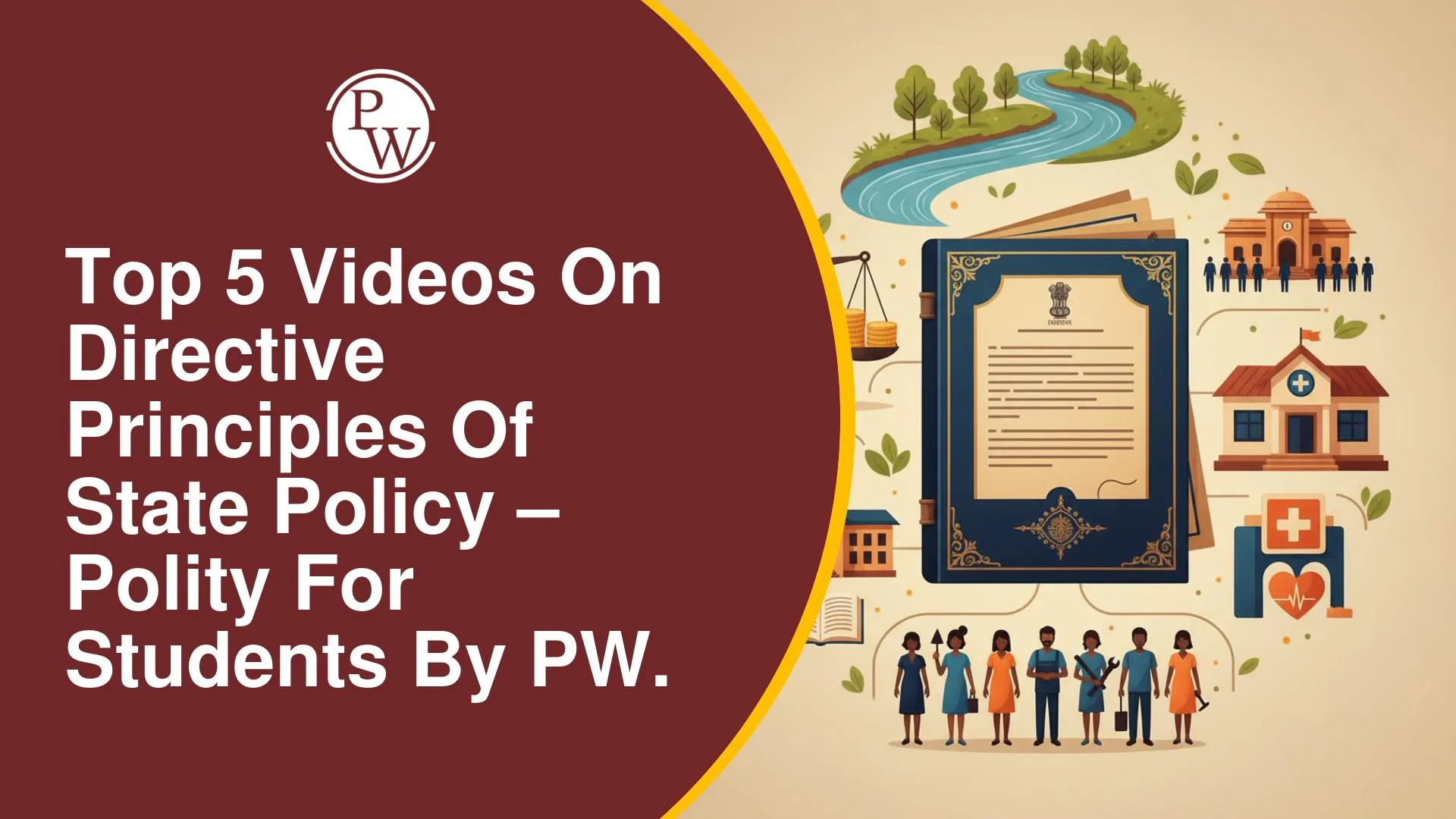
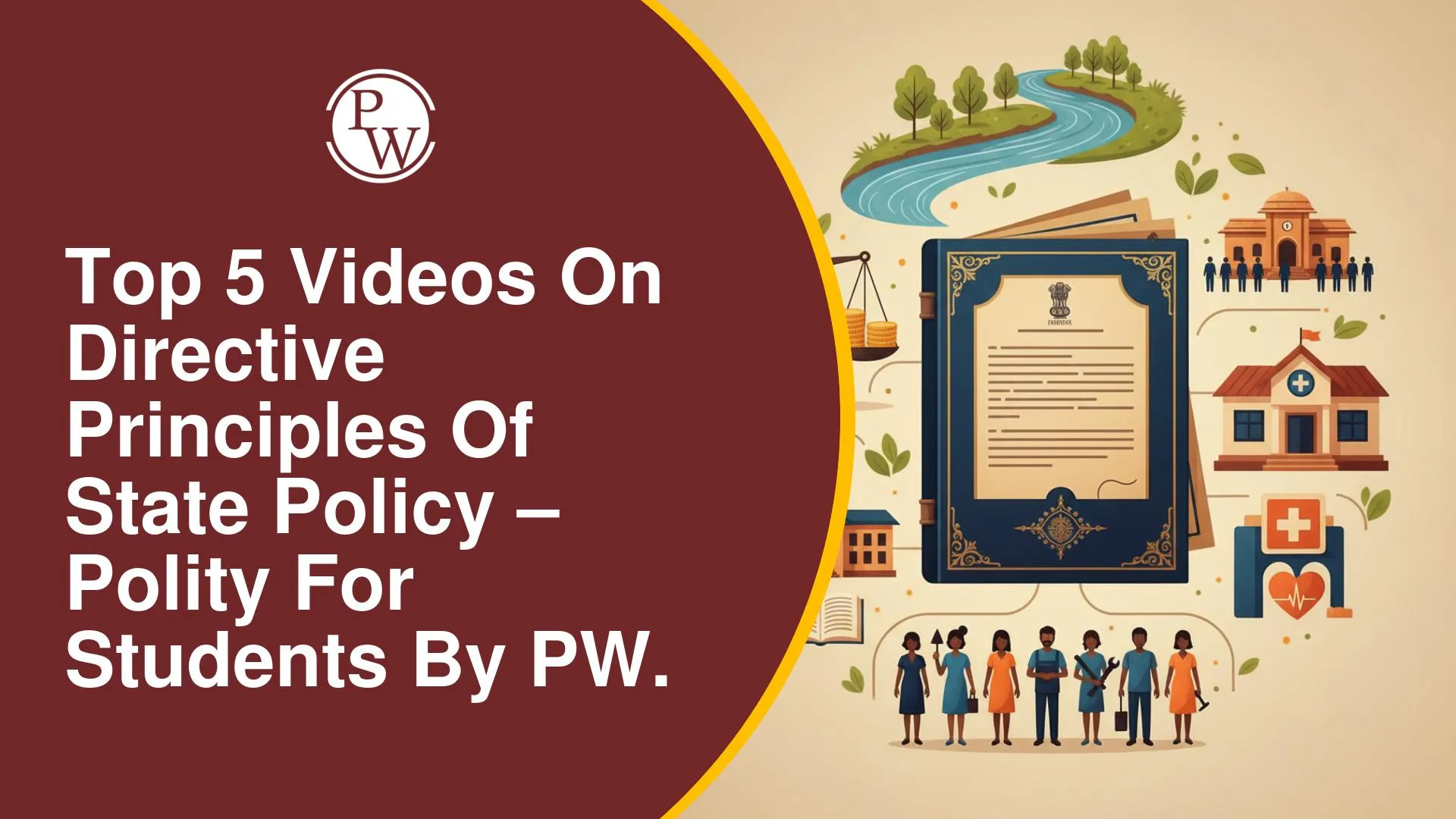
Directive Principles of State Policy (DPSPs) are an important part of Indian Polity, but remembering their articles, categories, and related case laws can be difficult. You also need to understand why DPSPs cannot be directly enforced by courts and how they influence government policies and the making of laws.
The following videos from PW's UPSC Wallah explain DPSPs through full-chapter lessons, constitutional provisions, examples, and previous-year questions. You can use them to understand the topic from the basics, revise important articles, and prepare for Polity questions in UPSC Prelims and Mains.
Video 1: Cover DPSPs and Fundamental Duties in One Complete Lesson
This lesson covers the meaning, origin, features, and classification of Directive Principles of State Policy. It explains Socialist, Gandhian and Liberal-Intellectual principles, along with Articles 39(b), 39(c), 31A, 31B and 31C. You will also learn about the relationship between Fundamental Rights and DPSPs, their implementation, major criticisms, and important judicial views.
The video also covers Fundamental Duties under Article 51A, committee recommendations, and their role in the Constitution.
Use this lesson when you want to revise both DPSPs and Fundamental Duties together. Pay attention to the constitutional articles and the links between rights, duties, and the role of the State.
Video 2: Understand DPSPs from the Basics with a Full-Chapter Lesson
If you are studying DPSPs for the first time, this full-chapter lesson can help you build a clear understanding of the topic. It covers Articles 36 to 51, the historical background of DPSPs, their main categories, and their role in establishing a welfare state.
The lesson also explains social and economic justice, non-justiciability and the relationship between Fundamental Rights, Directive Principles, and Fundamental Duties.
Start with this video if you find it difficult to connect individual articles with their purpose. Make short notes on the three categories and revise the differences between Fundamental Rights and DPSPs before moving to case laws.
Video 3: Revise Important DPSP Articles and Their Key Features
This full-chapter lesson explains the background, features, classification, and purpose of DPSPs. It also discusses why these principles are not directly enforceable by courts, how they guide the government, and why they remain important for law-making and public policy.
The lesson compares Fundamental Rights with DPSPs and covers their usefulness, implementation, and common criticisms.
Use this video after your first reading of the chapter. Focus on the key differences between enforceable rights and non-justiciable principles. These comparisons can help you answer factual questions and understand how constitutional provisions work in practice.
Video 4: Learn the Role of DPSPs Through a Simple English Explanation
This English-language lesson introduces the importance, types, and constitutional role of Directive Principles of State Policy. It explains how DPSPs guide government decisions and support policies related to social welfare and the development of a welfare state.
The video is useful if you prefer learning the chapter in simple English before studying individual articles in detail. It can also help you revise the main ideas before a Polity test.
While watching, note how DPSPs influence governance even though they cannot be directly enforced in court. Understanding this distinction will help you connect constitutional principles with government policies and public welfare.
Video 5: Revise DPSPs in One Shot with Important Cases and PYQs
This one-shot lesson is useful when you have already studied the chapter and want to revise it before an exam. It covers the purpose of DPSPs, Article 36 onwards, Article 37, the three main categories, and their connection with social and economic democracy.
The lecture also discusses important judicial decisions, including the Champakam Dorairajan case, the Kerala Education Bill case, Kesavananda Bharati, and Minerva Mills. Previous-year questions help you check how well you can apply these concepts.
Use this lesson for final revision. Pay special attention to the relationship between Fundamental Rights and DPSPs, the role of important judgments, and the constitutional provisions that are often compared in exam questions.
How These Videos Help in DPSP Preparation
These five PW videos cover DPSPs through full-chapter explanations, constitutional comparisons, important cases, and quick revision. Follow this order to make your preparation more effective:
-
Build your basics: Start with a full-chapter lesson to understand the meaning and purpose of DPSPs.
-
Learn the categories: Revise the Socialist, Gandhian, and Liberal-Intellectual principles with suitable examples.
-
Remember important articles: Make short notes on Articles 36 to 51, especially Article 37 and the provisions you find difficult to recall.
-
Connect DPSPs with Fundamental Rights: Understand their differences and how the courts have interpreted their relationship.
-
Revise important cases: Note the key points from the Champakam Dorairajan, Kesavananda Bharati, and Minerva Mills cases.
-
Practise questions: Attempt previous-year questions after revision to identify topics that need more attention.
For additional practice, use UPSC Polity Questions to test your understanding. You can also check the UPSC Prelims resources and UPSC Mains subjects for further preparation.
These five PW videos can help you understand Directive Principles of State Policy without getting lost in a long list of articles and case laws. Start with the basics, revise the constitutional provisions, and use the one-shot lesson to check your recall. Regular practice will help you connect DPSPs with Fundamental Rights and answer UPSC Polity questions more confidently.


Have questions about your prep?
Our experts can answer all your questions


 Live & recorded classes available at easeDashboard for progress trackingLakhs of practice questions



