






CSIR NET June 2026 Chemical Sciences Topper Dipu Bez’s Success Story: AIR 1 With PW
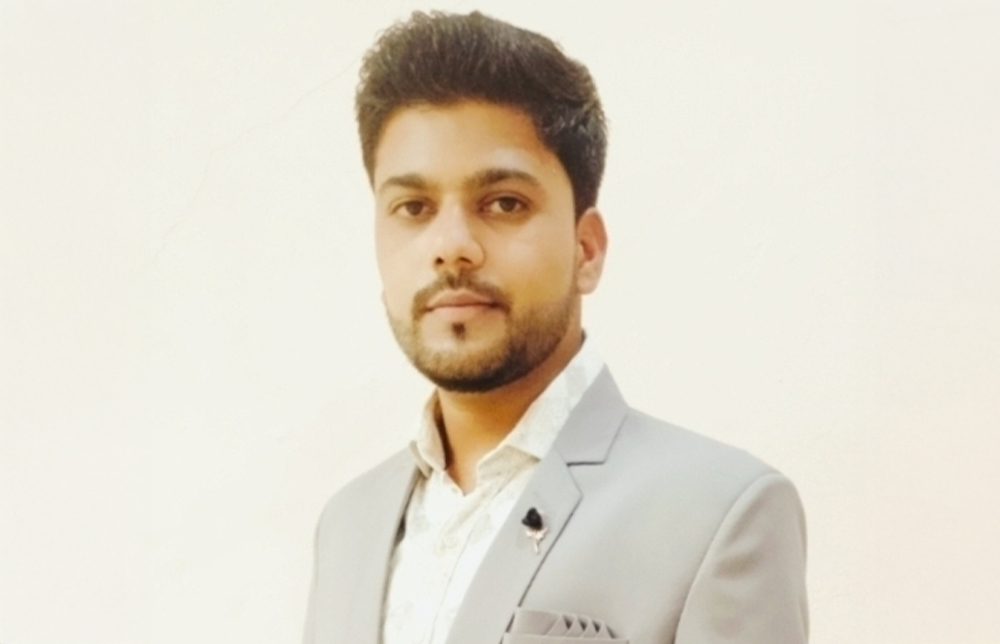
Dipu Bez from West Bengal secured 169 marks and 99.99 percentile in CSIR NET June 2026 Chemical Sciences while continuing his second year of MSc at IIT Bombay. He appeared for the exam during an internship in Kerala and had only started preparing specifically for CSIR NET shortly before the examination.
Dipu had already performed strongly in IIT JAM, securing All India Rank 8, and also had a GATE rank of 35. However, CSIR NET was his first NET attempt. Talking about the result, he said:
“Ye result to pura unexpected tha. Main just exam diya tha ki bas ho jaye utna hi theek tha aur ye jyada unexpected aa gaya hai.”
The result was particularly notable because Dipu was balancing his academic work and internship along with his preparation. He also explained that he could not follow the live classes because of his schedule:
“Live to isliye class ke time ke saath match nahi hoga schedule. Recording hi dekhte hain kabhi jitna hota hai.”
His experience shows how he used the time available to him rather than following a fixed preparation routine.
Dipu Bez Started CSIR NET Preparation With Limited Time
Unlike a long-term CSIR NET preparation journey, Dipu decided to appear for the examination only shortly before the test. He shared that his seniors encouraged him to take the exam while he was still pursuing his MSc.
“Actually ye mera first attempt hai. Waise maine NET dene ka itna woh nahi tha. Humare woh, jisme main udhar internship karne gaya tha, senior log bol rahe the ki de do.”
He added that he filled the form around a month before the examination and then began covering relevant PW recorded classes:
“Isiliye just ek mahine pehle ek din pehle woh form bhara tha. Iske baad thoda aap logon ka jo recorded batch tha usko cover kiya tha.”
Dipu also used some of the preparation he had already done for IIT JAM and GATE. Rather than starting his Chemistry preparation from scratch, he identified the additional CSIR NET topics that needed attention.
Dipu Bez Used IIT JAM Preparation to Cover CSIR NET Topics
Dipu’s IIT JAM preparation gave him a foundation for several concepts that were relevant to CSIR NET. He explained that many basic-concept questions overlapped, while some additional topics required separate preparation.
“JAM se to help to hota hai kyunki basic concept level ka question body isme bhi reh jata hai matlab aas-paas ka. Matlab bahut saare match up to hota hai.”
For topics that were not covered through his existing preparation, Dipu referred to his MSc classes and PW’s recorded lectures. He specifically mentioned topics such as spectroscopy and NMR:
“Spectroscopy jaise, mass by spectroscopy ye sab cheez ya phir organic mein bhi NMR aur DEPTH kuch cheezein, ye sab hum log kya hota hai hamare semester mein jo class chalta hai us topic ke aas-paas hota hai.”
This approach allowed him to use his existing academic preparation while adding the topics required for the NET examination.
How PW Recorded Lectures Helped Dipu Bez Cover the NET Syllabus
Because Dipu was pursuing his MSc and also completing an internship, attending live classes was difficult. He therefore relied on recorded lectures and covered them whenever his schedule allowed.
He also recalled using PW lectures during his GATE preparation:
“ST Code, STX Code ye course maine dekha tha, jisse mera GATE mein help hua tha.”
For CSIR NET, Dipu used the recorded batch to cover the additional portion of the syllabus that was not already covered through JAM or his academic classes. He explained:
“Recorded mein cover karte the aap jo bhi NET ka extra portion aapko cover karna hota tha.”
According to Dipu, PW was therefore used mainly as a supplementary resource alongside his existing academic preparation, rather than as his only source of study.
Dipu Bez Used Previous-Year Questions to Understand the CSIR NET Paper
Before focusing heavily on preparation, Dipu highlighted the importance of looking at previous-year papers to understand the examination. According to him, this helped him assess what the paper demanded and identify his own level of preparation.
“Sabse pehle to main bolunga ye bahut bada important factor hai ki exam dene se pehle previous year ko matlab baithna ek baar previous year ko le, pura time le, ki kaisa hai.”
His approach was not limited to studying more material. He also tried to understand which questions were worth attempting and which ones could consume unnecessary time.
“Usme se pata chalta hai mereko kitna ho raha hai, nahi ho raha hai.”
This understanding became particularly important for Part C, where the number of questions is much larger than the number a candidate needs to attempt.
Dipu Bez Focused on Avoiding Unnecessary Negative Marks
Dipu’s examination strategy centred on avoiding mistakes rather than attempting every difficult question. He advised candidates to move on when they were not confident about an answer, particularly in sections with negative marking.
“Agar koi question nahi aa raha hai to jabardasti se uske liye aage nahi badhna hai. Agar nahi ho raha hai to usko side karke move on karna hai.”
He further explained that candidates should first attempt questions they were confident about and return to uncertain ones only if time remained:
“Pehle to itna hai jisme 100% confirm ho usko aage badho. Phir sab ho jaane ke baad agar time mile to dobara check karne ke liye baithe.”
For Part C, he particularly emphasised not becoming emotionally attached to a difficult question:
“Part C mein bahut question rehta hai, 60 mein se sirf 25 karna hai, to usme ego mein nahi lena hai ki mere se ye question nahi ho raha hai.”
His focus was therefore on making the most of the questions he could solve rather than spending too much time on one difficult problem.
Dipu Bez Scored 169 Marks and 99.99 Percentile in His First NET Attempt
Dipu’s first CSIR NET attempt resulted in 169 marks and 99.99 percentile. He also discussed how he approached the three sections of the examination.
For Part A, he estimated that he attempted around 12 questions, with approximately nine correct. In Part B, he said:
“Part B mein bhi total mila ke 35 hi shayad kiya tha. Abhi itna yaad nahi hai but usme se 30 sahi ho gaya tha sir.”
For Part C, he said he attempted 25 questions, of which 19 were attempted with certainty and six were based on probability. He recalled:
“Part C mein 25 karna tha. 19 matlab sure hoke kiya tha. Chhe thoda probability karke kiya tha. Usme se ek galat ho gaya.”
Dipu ultimately scored 169 marks, placing him at the top end of the June 2026 Chemical Sciences performance.
Dipu Bez Balanced MSc, Internship and CSIR NET Preparation
Dipu’s preparation was carried out alongside his MSc at IIT Bombay and an internship in Kerala. He also remained involved in academic and campus activities, which meant that his preparation had to fit around his existing schedule.
He explained:
“Lab mein kaam to chalta rehta tha.”
He also shared that he was involved in campus activities and used his weekends when possible:
“Working day mein to busy rehta hai, lab ka work, project start ho gaya hai to weekend mein thoda kar lete hain.”
This makes his preparation journey different from a full-time aspirant’s routine. Rather than describing a fixed number of study hours, Dipu’s story shows how he worked with the time available alongside his academic responsibilities.
Dipu Bez’s Academic Journey Includes AIR 8 in IIT JAM and GATE Rank 35
CSIR NET was not Dipu’s first major competitive examination. He had previously secured AIR 8 in IIT JAM and later achieved a GATE rank of 35.
His earlier preparation helped him develop a strong foundation in Chemistry, which he could build upon for CSIR NET. He also mentioned that some PW lectures he had watched during his earlier preparation helped him with GATE.
“GATE mein help hua tha.”
His performance across these examinations reflects a continuing academic journey rather than preparation for a single examination.
Dipu Bez Plans to Explore Research Opportunities After CSIR NET
With his MSc still in progress, Dipu has not limited his future plans to one specific path. He is currently exploring research opportunities and is considering a PhD if he finds a suitable area of interest.
When asked about his plans, he said:
“PhD abhi topic dhoondh rahe hain. Matlab interest lage to try karenge.”
He is also completing his MSc at IIT Bombay and expects to finish it in 2027. His CSIR NET result adds another achievement to his academic journey while he continues exploring his next step.
Dipu Bez’s Advice to Aspirants: Focus on Your Own Preparation
Dipu’s advice to aspirants centres on making the most of the opportunity available to them rather than comparing their progress with others. He believes that learning how to put in sustained effort can be valuable beyond a single examination.
“Koi bhi cheezon ko jaise zindagi mein koi bhi journey mein judna hai to ek baar jud jao. Ho sakta hai aapko top level tak nahi aayega, lekin agar ek baar aap mehnat karna seekh jaoge na to kuch na ho to mehnat kaise karte hain, effort kaise lagate hain wo seekh jaoge.”
He also advised students to keep up with their classes and manage backlogs according to their own schedules:
“Jitna ho sake backlog na ho ke manage kar sakte hain to karo, matlab record dekh ke, kyunki class ka schedule bhi rehta hai, usmein busy reh jaata hai. Bas apna dekho, apna focus ko dekho aur aage badho.”
For Dipu, the focus should remain on improving one's own preparation instead of comparing academic backgrounds or achievements with others:
“Comparison ka koi fayda hi nahi hai, kyunki kuch time ke baad koi rahega hi nahi competition mein. Apne aapko akela hi jaana hai.”
Dipu Bez’s journey shows how a strong academic foundation, focused use of available resources and a clear approach to question selection can support preparation for a competitive examination. Despite pursuing his MSc at IIT Bombay and completing an internship alongside his studies, he appeared for CSIR NET for the first time and secured 169 marks and 99.99 percentile.
His experience also highlights the importance of using previous-year papers to understand the examination, adding the required topics to an existing preparation base and avoiding unnecessary negative marking. For aspirants, his journey offers a practical lesson: work with the time and resources available, focus on your own progress and keep moving forward without comparing your journey with others.







Get Free Counselling Today
and Clear up all your Doubts
 Live & recorded classes available at easeDashboard for progress trackingLakhs of practice questions

