






How English Learning Helps Children Beyond the Classroom
 Gunika Shah8 Aug, 2026
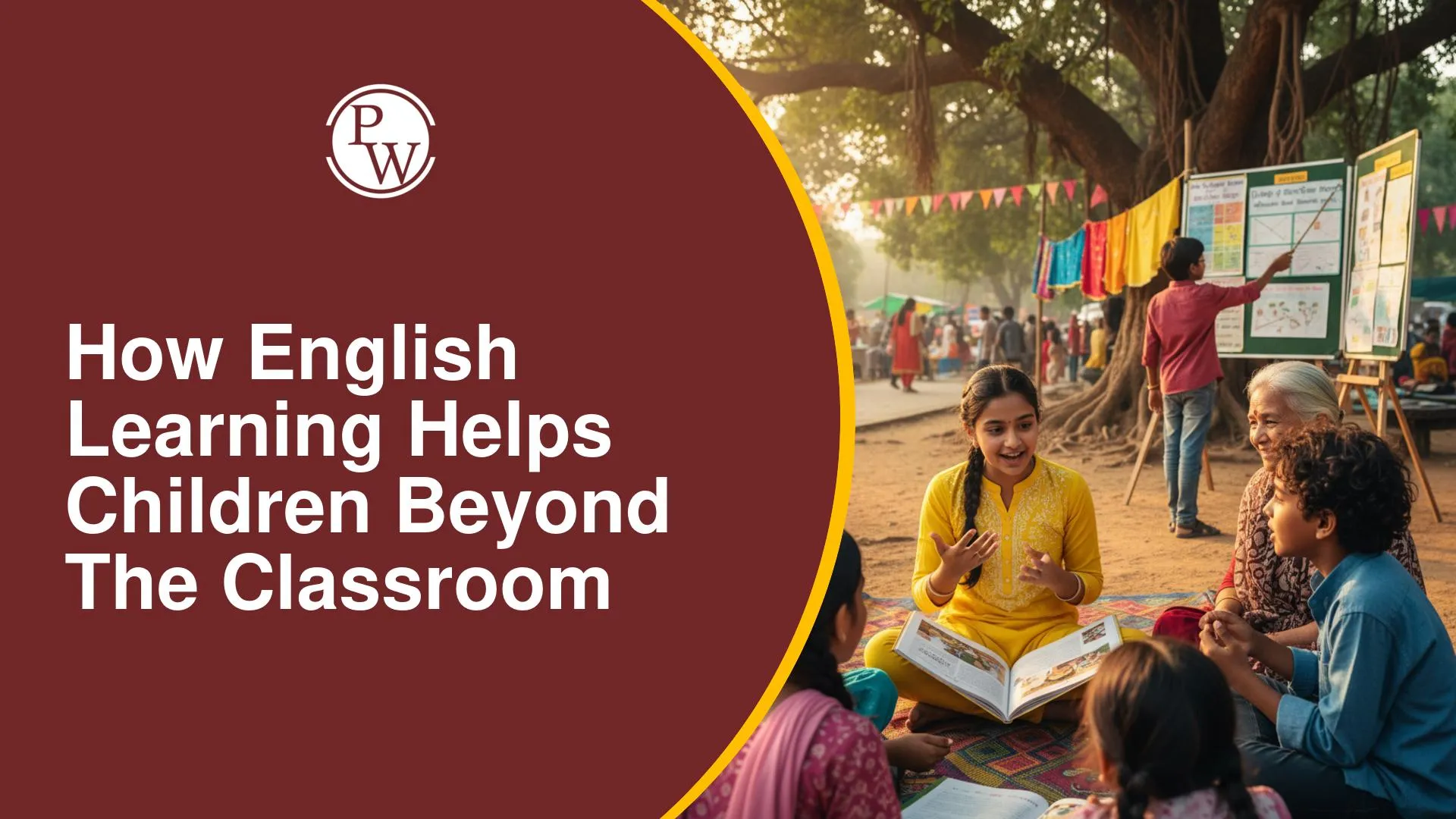
Many children learn English as a subject in school but may hesitate to use it in real situations. They may understand lessons but struggle to answer questions, explain their thoughts, participate in discussions, or communicate comfortably with others. Without regular practice, children may find it difficult to use English beyond textbooks and exams.
English is more than a school subject. It is a life skill that helps children communicate, learn from different sources, express ideas, and participate in activities with greater confidence. CuriousJr helps children develop practical English skills through interactive lessons, speaking activities, reading practice, and personalised feedback.
Why Is English an Important Life Skill for Children?
English is used in many situations beyond the classroom. Children may use it while talking to others, reading books, participating in competitions, joining extracurricular activities, or accessing learning content online.
Developing English skills can help children:
-
Express their ideas clearly during conversations.
-
Ask questions and participate actively in class.
-
Understand information from books, videos, and other learning resources.
-
Take part in presentations, competitions, and extracurricular activities.
-
Communicate more comfortably with teachers and peers.
-
Access learning content from different sources and subjects.
When children regularly use English for meaningful activities, they begin to see it as a tool for communication and learning rather than just another subject to study.
How Do Listening, Speaking, Reading, and Writing Skills Improve Communication?
English learning involves four key skills: Listening, Speaking, Reading, and Writing (LSWR). Developing these skills together helps children understand others, communicate their ideas, and respond appropriately in different situations.
|
Skill |
How It Helps Children |
|
Listening |
Helps children understand conversations, instructions, stories, and new information. |
|
Speaking |
Helps children express thoughts, answer questions, and participate in discussions. |
|
Reading |
Builds vocabulary, improves comprehension, and helps children understand different types of content. |
|
Writing |
Helps children organise ideas, communicate clearly, and develop creative expression. |
Regular practice across all four areas can help children use English more comfortably in classrooms, social situations, and extracurricular activities.
How Can English Skills Support Children's Academic and Personal Growth?
Better English communication can influence how children participate in learning and interact with people around them. As they become more comfortable with the language, they may find it easier to share ideas, collaborate with peers, and participate in various activities.
Some benefits include:
-
Improved Classroom Participation: Children can feel more comfortable answering questions, asking doubts, and joining discussions.
-
Better Presentation Skills: Speaking practice helps children organise and explain their ideas clearly in front of others.
-
Stronger Reading Habits: Regular reading builds vocabulary and comprehension while encouraging children to explore new topics.
-
Creative Writing: Writing activities give children opportunities to develop ideas, tell stories, and express themselves in their own words.
-
Effective Peer and Teacher Communication: Better language skills can make everyday interactions and group activities easier.
-
Critical Thinking: Reading, discussing, and explaining ideas in English can encourage children to understand information, form opinions, and communicate their reasoning.
These abilities can support learning across subjects while helping children participate more confidently in school and social settings.
How Can Strong English Skills Prepare Children for the Future?
English skills can continue to support children as they progress through different stages of education. Strong communication and comprehension can help them handle more advanced academic content, participate in presentations and group projects, and access learning materials from different sources.
-
English can introduce children to wider learning opportunities such as international courses, educational resources, competitions, and digital content where English communication is useful.
-
Building these skills early helps children approach future academic challenges and global learning opportunities with greater confidence.
-
English learning develops more than vocabulary and grammar, as regular practice in listening, speaking, reading, and writing strengthens communication, confidence, creative expression, and critical thinking.
CuriousJr supports this development through interactive learning, guided practice, teacher feedback, and regular assessments. By making English a part of everyday learning, children can build skills that remain useful throughout their academic journey and beyond.
How Does CuriousJr Help Children Build Practical English Skills?
Children develop language proficiency when they have opportunities to practise English rather than only study its rules. CuriousJr uses interactive learning and guided activities to give children regular opportunities to listen, speak, read, and write.
-
Interactive Learning: Engaging activities encourage children to participate and apply English in different situations.
-
Guided Speaking Practice: Conversations and speaking activities give children opportunities to practise expressing their thoughts clearly.
-
Reading and Writing Activities: Regular practice helps children improve vocabulary, comprehension, and written expression.
-
Personalised Feedback: Teacher guidance helps children understand areas where they can improve.
-
Progress Tracking: Assessments help monitor development and identify areas that may need additional practice.
This combination of practice and guidance helps children gradually become more comfortable communicating in English.
English is a life skill that children can use beyond the classroom. CuriousJr helps children build practical English skills through interactive learning, regular practice, and personalised guidance, supporting better communication and confident learning.
FAQs
Why is English important for children beyond the classroom?
What are LSWR skills in English learning?
How can English learning improve a child’s communication skills?
How can parents help children practise English at home?
How does CuriousJr support English learning?
















Get Free Counselling Today
and Clear up all your Doubts
 Live & recorded classes available at easeDashboard for progress trackingMillions of practice questions at your fingertips

