Fashion Design vs Fashion Communication: Course, Career Scope and Salary Compared

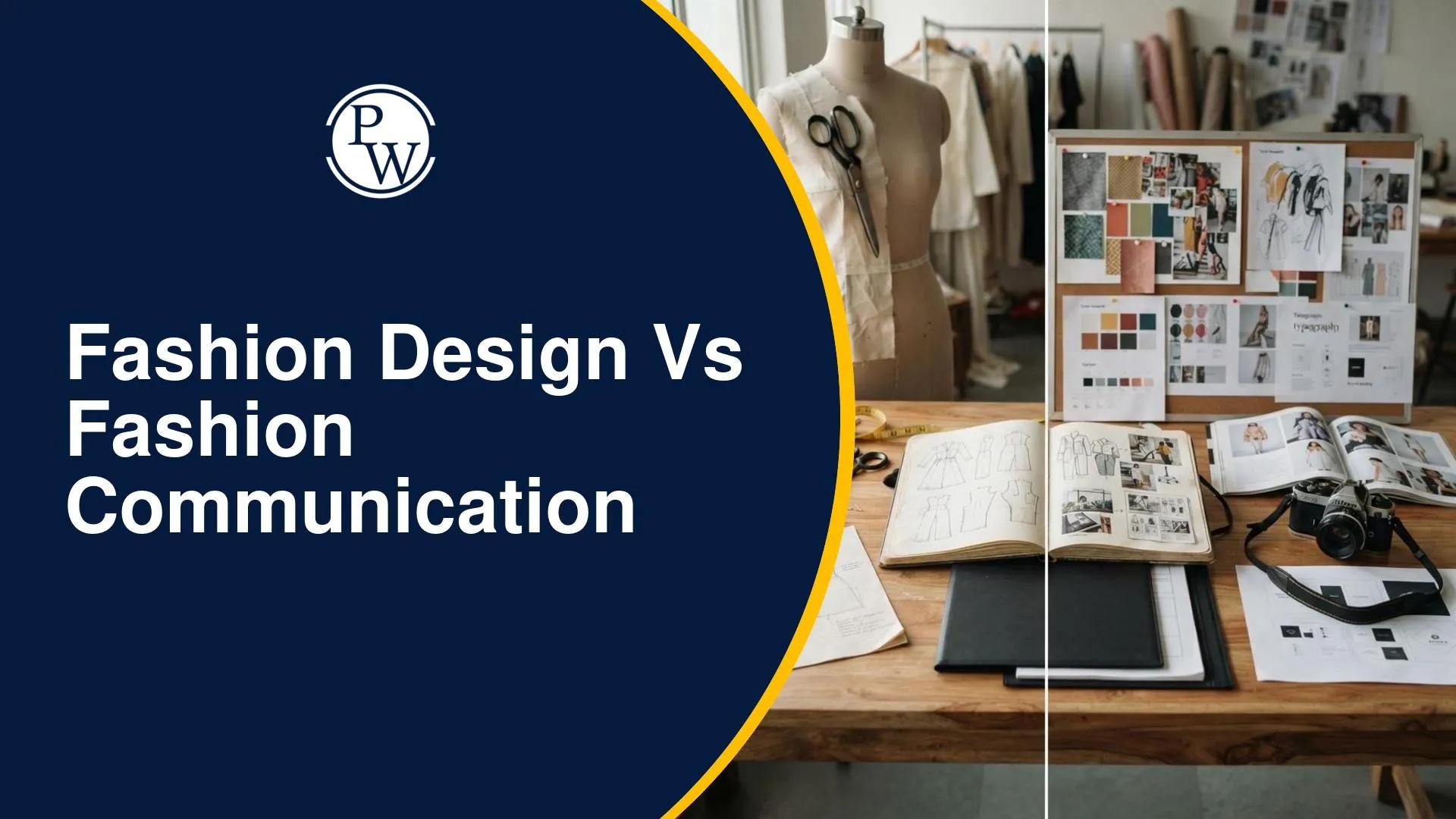
Many students planning for NIFT 2027 get confused between Fashion Design and Fashion Communication courses. Both sit in the fashion world, but the work you do every day is quite different.
Fashion Design is about creating fashion products. You work with garments, silhouettes, collections, fabrics, surface development and apparel design. The path is simple: an idea turns into a design, the design is developed, and then it becomes a garment.
Fashion Communication is about creating an experience around fashion and telling its story. You can work in branding, graphic design, styling, photography, visual merchandising, UX/UI, digital content, advertising, creative direction, media and space design. So, in short, Fashion Design makes the product, and Fashion Communication shows it to the buyer.
Fashion Design vs Fashion Communication at NIFT
Students often ask what each course teaches at NIFT. The current curriculum gives a clear picture of how the two differ in learning style.
The table below puts the NIFT focus of both courses side by side. It helps you see which course fits your natural interests.
|
Point |
Fashion Design |
Fashion Communication |
|
Main focus |
Designing apparel and fashion products |
Communicating and promoting fashion |
|
What you learn |
Fashion drawing, manual and digital illustration, range development, portfolio development, AI integration |
Graphic design, space design, fashion creatives, fashion thinking, media design |
|
End result |
Garments and collections |
Brand image, campaigns and consumer experience |
|
Learning style |
Hands-on with fabrics and apparel |
Visual, story-based and media-led |
Students who want more detail on the first course can read about the B.Des in Fashion Design. Those leaning towards the second can look at the B.Des in Fashion Communication course.
Subjects and Specialisations in Both the Courses
Both courses are usually four-year undergraduate degrees leading to a Bachelor of Design (B.Des.). The subjects, however, are different in each.
A Fashion Design student studies fashion illustration, pattern making, textile science, garment construction, apparel design, draping, trend forecasting and merchandising. A Fashion Communication student studies photography, styling, visual merchandising, graphic design, branding, digital marketing, fashion journalism and media production.
|
Area |
Fashion Design |
Fashion Communication |
|
Common subjects |
Illustration, pattern making, textile science, draping |
Photography, branding, graphic design, fashion journalism |
|
Specialisations |
Womenswear, menswear, textile design, sustainable fashion, fashion merchandising, costume design |
Fashion styling, communication graphics, UI/UX design, animation, visual communication, fashion media, marketing |
These choices let students shape the course around what they enjoy most. A general overview of fashion communication as a field can also help in making this decision.
Skills You Build in Each Course
The skills you gain are a big part of the decision. Each degree trains the mind and the hands in a different way.
-
Fashion Design: sketching, draping, fabric selection, garment construction, fashion illustration and design development. The focus is on product making and craft.
-
Fashion Communication: visual storytelling, branding, photography, styling, graphic design, public relations, digital content creation and communication strategy. The focus is on presentation and reaching the customer.
Interested in turning your creativity into a career in fashion? Explore the courses and learning resources available at PW Design & Architecture to learn more about design-related career options.
Fashion Design vs Fashion Communication: Career Scope
Both degrees offer diverse career opportunities across the fashion industry and related sectors, including retail, media, e-commerce and digital marketing.
-
Fashion Design Careers: Graduates can work as apparel designers, textile designers, costume designers, fashion merchandisers, fashion entrepreneurs and product developers.
-
Fashion Design Employment Areas: Job opportunities are available in e-commerce, retail, lifestyle brands, export houses, textile companies, film production and sustainable fashion businesses.
-
Fashion Communication Careers: Graduates can pursue roles such as fashion journalists, stylists, graphic designers, visual merchandisers, social media strategists, communication designers, photographers, creative directors and digital marketing professionals.
-
Fashion Communication Employment Areas: Employers include fashion brands, advertising agencies, media companies, design studios, e-commerce firms and digital platforms.
-
Beyond Fashion Magazines: Fashion Communication is not limited to magazine publishing. It also covers brand identity, advertising campaigns, typography, layout, packaging, image-making and social media campaigns.
-
Common Career Opportunities: Both degrees can lead to roles in luxury brands, retail companies, digital marketing agencies and fashion event management firms.
Salary Prospects After Fashion Design and Fashion Communication
Pay depends on education, experience, city, specialisation, portfolio quality and the employer. The figures below are only indicative and can change from one company to another.
The table shows a general range of earnings at different stages of a career. It should be read as a rough idea, not a promise.
|
Career Stage |
Fashion Design |
Fashion Communication |
|
Entry level |
About Rs. 3–6 LPA |
About Rs. 3.5–7 LPA |
|
Mid level |
Varies with role and employer |
About Rs. 8–15 LPA |
|
Senior level (styling, media, creative leadership) |
Varies with role and employer |
Rs. 15–25 LPA or more |
A strong portfolio often matters more than the degree name when it comes to pay.
Fashion Design or Fashion Communication: Which Is Better?
Neither course is better for everyone. The right choice is the one that matches your interests, strengths and career goals.
Choose Fashion Design if you enjoy these things:
-
Sketching and drawing clothes
-
Working with fabrics and trying new ideas
-
Making garments and building collections
-
Learning how clothes are produced
Choose Fashion Communication if you enjoy these things:
-
Branding and storytelling
-
Photography and styling
-
Visual design and digital media
-
Public relations and creative direction
Before deciding, think about your preferred way of working, your technical strengths and the learning environment of the institute. A quick test is to ask yourself whether you would rather make the product or tell its story. The answer usually points to the right course. Picking between making clothes and telling their story gets easier once you know what each course offers and where it can lead.
Want to explore more design courses and career opportunities? Subscribe to the PW Design & Arch YouTube Channel for dedicated guidance, NIFT preparation tips and insights into the world of fashion and design.
FAQs
What is the main difference between Fashion Design and Fashion Communication?
How do Fashion Design vs Fashion Communication differ at NIFT?
Fashion Design or Fashion Communication, which is better for a career?
What is the career scope of Fashion Communication?