






Easiest Shift of JEE Main 2026 Session 2 Exam


Share
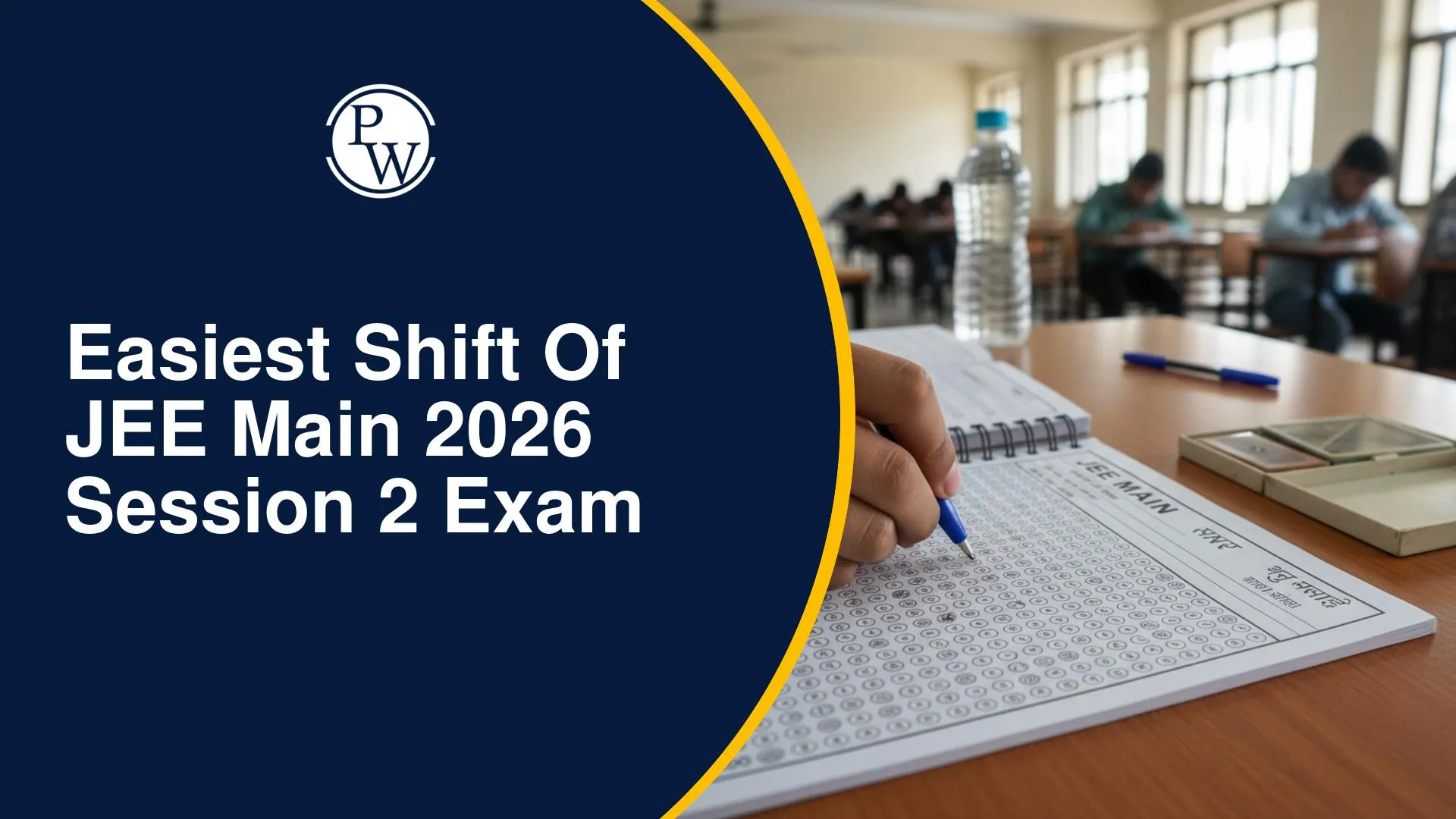
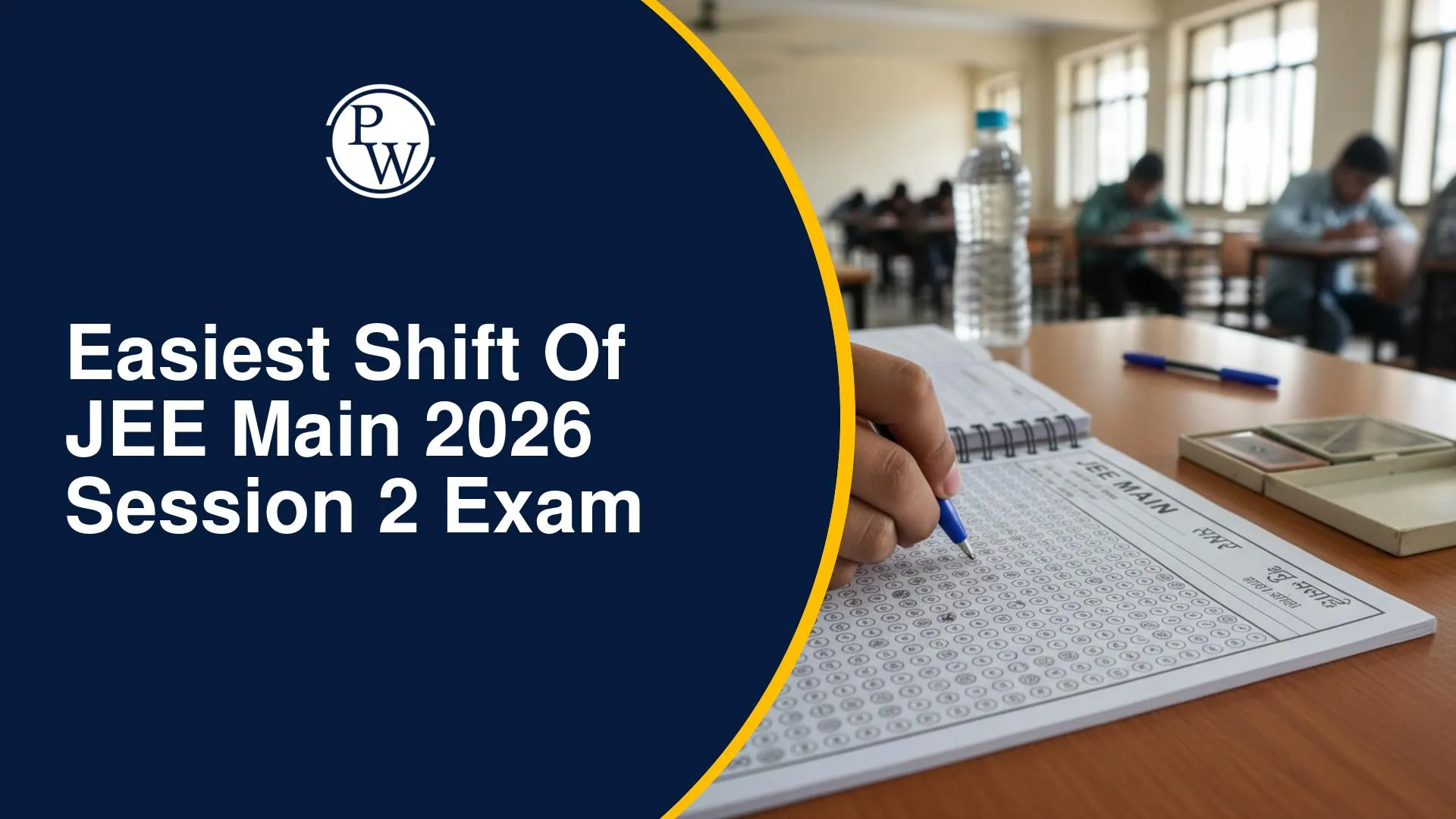
The National Testing Agency (NTA) has started the JEE Main entrance examination from April 2, 2026. The first day of the examination was held on April 2. It was conducted successfully at multiple test centres in India. Students who participated in the JEE Main Session 2, April 2, 2026, shift 1 and shift 2 exams. They found the paper's level was moderate.
No surprises in the JEE Main Day 1 examination. Then, it is expected that this time NTA will keep the JEE Main exam level moderate on all days shifts. Students who have conceptual knowledge will be able to solve the questions without any time management issues.
Shift-Wise JEE Main 2026 Session 2 Analysis
Shift-Wise JEE Main 2026 Session 2 Analysis will be updated to the students depending on the feedback provided after the exam shift is over. The JEE Main April 2 exam was moderate. Physics and Chemistry were moderate, followed by Mathematics, which was of moderate difficulty levels in the exams.
Also Read: Toughest Shift of JEE Main 2026 Session 2 Exam
JEE Main 2026 Session 2 Subject-Wise Difficulty Overview
JEE Main Session 2, April 2, 2026, was organised in the testing centres located in India. Students can get the overall paper difficulty level overview. The overall exam was moderate. NTA targeted the concept-based questions in the exam. Students who know the concepts can solve the questions. The rest of the information regarding the other exam shifts will be provided soon.
Physics Difficulty in JEE Main 2026 Session 2 (April 2 exam)
-
Overall difficulty: Moderate.
-
Mostly formula-based and direct questions.
-
Few numerical-based questions, but doable.
-
NCERT-based concepts were sufficient.
Chemistry Difficulty in JEE Main 2026 Session 2 (April 2 exam)
-
Overall difficulty: Moderate.
-
NCERT-based questions dominated.
-
Physical Chemistry included numericals, but easy.
-
Statement-based questions were asked.
-
High scoring section for most students.
Mathematics Difficulty in JEE Main 2026 Session 2 (April 2 exam)
-
Overall difficulty: Moderate to Difficult.
-
Lengthy and time-consuming section.
-
Questions required multi-step calculations.
-
Some questions were tricky and conceptual.
-
Time management was a key challenge.
Predicting the Easiest Shift for JEE Main 2026 Session 2
The easiest shift in JEE Main Session 2 will depend on overall paper balance, question directness, and student feedback across days. Early trends suggest slight variations in difficulty, especially in Mathematics.
-
Shifts with easy Chemistry (NCERT-based) tend to be scoring.
-
Physics, being formula-based, makes a shift easier.
-
Mathematics length is the biggest deciding factor.
-
Morning shifts are often perceived as slightly easier.
-
April 2 shifts reported moderate overall difficulty.
-
The easiest shift will be finalised after normalisation analysis.
Easiest Shift of JEE Main Session 1 2026
In Session 1, some shifts stood out as easier due to direct questions and balanced difficulty across subjects. These shifts allowed students to attempt more questions with higher accuracy.
-
Shifts with easy Chemistry were rated easiest.
-
Direct Physics questions improved scoring chances.
-
A less lengthy Mathematics section was a key factor.
-
Certain January shifts were considered student-friendly.
-
High attempts (65–75 questions) are seen in easier shifts as expected in January 22 and 23, 2026.
-
Final ease depends on the NTA normalization process.