







GMAT Eligibility Criteria 2026: Age Limit, Qualification & Requirements
 Anil Solonki5 Sept, 2026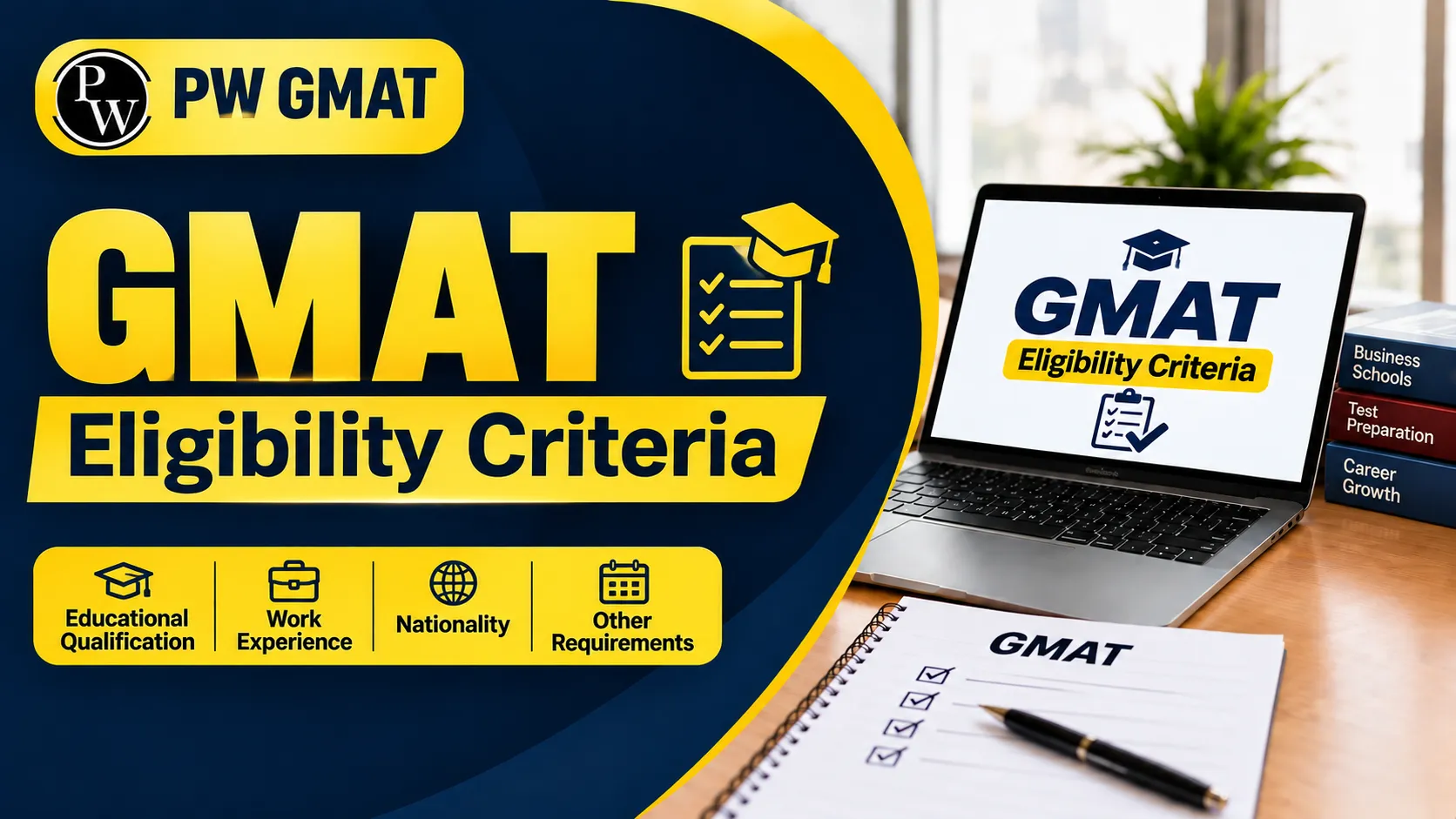
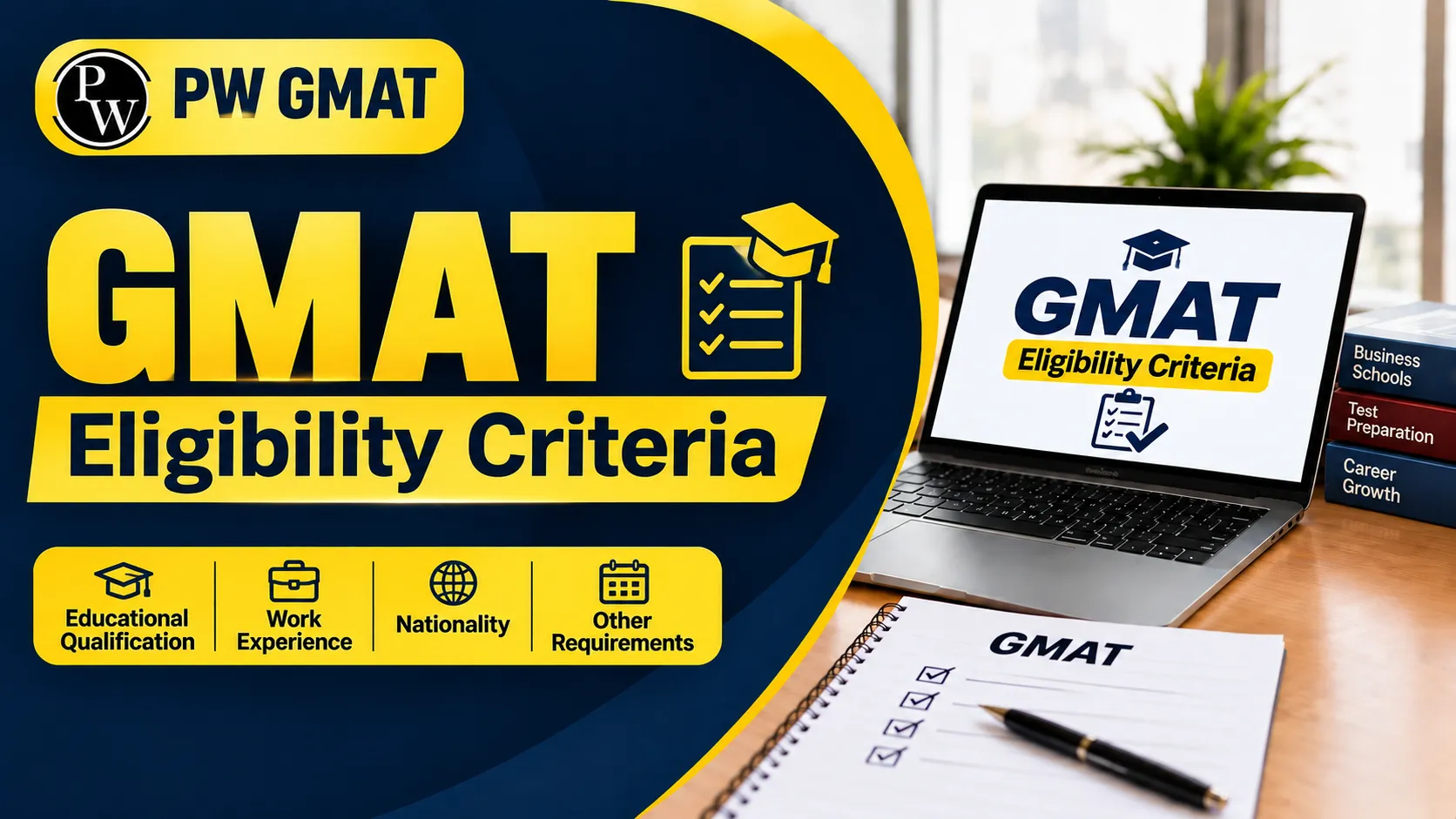
GMAT eligibility criteria determine who can register for and take the GMAT exam. The requirements primarily cover age, educational background, identification and other registration conditions. There is no specific academic stream requirement for taking the GMAT, and professional work experience is not required to appear for the exam.
This guide covers GMAT eligibility criteria 2026, including the age limit, educational qualification, eligibility for Indian students, work experience, documents required and important registration requirement
GMAT Eligibility Criteria 2026
GMAT is an international-level MBA entrance exam. Candidates from any nation, background, or culture are equally eligible to apply for the GMAT. To complete the GMAT registration process and appear for the exam, candidates should meet the following eligibility criteria:
| Eligibility Requirement | GMAT Requirement |
| Minimum age | 18 years |
| Upper age limit | No upper age limit stated in the current source content |
| Educational qualification | Bachelor's degree |
| Minimum marks | No minimum marks required to take the GMAT |
| Work experience | Not required for the GMAT exam |
| Nationality | Candidates from different nationalities can apply |
| Identification | Valid government-issued identification/documentation |
| Retake limit | Up to 5 attempts in a 12-month period; 8 lifetime attempts |
Nationality: GMAT registration guidelines are similar for every candidate, regardless of their nationality. Therefore, aspirants from all over the world are eligible to take the GMAT exam. However, candidates must follow the identity verification guidelines according to the guidelines provided by specific test centres. Most GMAT test centres accept passports as a valid ID proof.
Age Limit: GMAC does not specify an upper age limit for GMAT aspirants. However, they must meet the minimum age requirement of 18 years, though being 18 years old is generally preferred. In case candidates aged 13-17 years of age want to attempt the GMAT, they must submit written permission from their legal guardian or parents.
Minimum Qualifying Marks: There is no set minimum qualifying score required to take the GMAT. Candidates only need to have a bachelor's degree. However, specific MBA offering institutions may have their separate qualifying mark requirements. Therefore, candidates are advised to determine the eligibility requirements of their preferred college or university before submitting the GMAT application.
GMAT Eligibility for Indian Students
Indian students can take the GMAT if they meet the exam's registration and identification requirements. The GMAT does not restrict eligibility based on nationality or academic stream. Candidates should ensure that their personal details and identification documents match the requirements specified during registration.
For admission to an MBA programme, candidates must also meet the eligibility requirements of the individual business school. These requirements may include academic qualifications, work experience and other programme-specific criteria.
GMAT Educational Qualification
Candidates should meet the educational requirements specified for GMAT registration. The current page states that candidates should have completed an undergraduate/bachelor's degree from a recognised institution.
There is no requirement to have studied a particular academic stream solely to take the GMAT. However, MBA programmes and business schools may impose their own academic eligibility requirements.
GMAT Eligibility Criteria 2026 for Work Experience
GMAC does not require professional work experience for the GMAT. However, having work experience is crucial for getting into top MBA programs. For example, prestigious schools like Harvard Business School and the University of Oxford require at least 2 years of full-time work experience for MBA admissions. On average, students accepted into top business schools have around 4 to 5 years of work experience. It's important to note that some well-known B-schools, like Stanford, do not consider work experience when making admission decisions. Candidates should choose colleges based on their specific eligibility criteria.
GMAT Retake Eligibility and Attempt Limits
Candidates can retake the GMAT exam to improve their scores for admission to their preferred colleges. However, before scheduling a retake, candidates should keep the following eligibility requirements in mind:
-
Students can take the GMAT exam up to 5 times in one year.
-
Candidates can attempt the GMAT exam a maximum of 8 times in their lifetime.
-
There must be at least a 16-day gap between consecutive GMAT exam attempts.
-
For each registration, candidates can only book one exam slot.
GMAT Accommodations for Candidates With Disabilities
Candidates with disabilities have specific provisions and reservation policies for taking the GMAT exam in 2026. To benefit from these policies, candidates must meet the following eligibility criteria and submit valid documentation during the GMAT application:
-
Candidates must have an impairment that significantly limits their daily activities compared to the general population.
-
Medical documents must detail the impairment and explain how it affects the candidate's ability to take the computer-adaptive GMAT exam under standard conditions.
-
Candidates should provide reasons why accommodations are necessary and suitable for their impairment.
The following disability conditions are eligible for the reservation criteria for the GMAT exam:
-
Attention Deficit Hyperactivity Disorder (ADHD)
-
Learning and cognitive disorders
-
Physical and systemic disabilities
-
Psychological disabilities
-
Sensory disabilities, such as hearing or vision impairments.
Essential Documents for GMAT Eligibility Criteria 2026
When applying for the GMAT exam, candidates must submit important documents to prove their eligibility:
-
Full name
-
Photograph and signature
-
Residential address
-
Date of birth
-
Contact details (phone number, email ID, etc.)
-
Citizenship
-
Government-issued identification document
Indian candidates registering for the GMAT can use either their Aadhaar card or passport to verify their identity.
Secure admission to your preferred B-school by joining PW GMAT Online Coaching. Get expert guidance, doubt clarification, comprehensive syllabus coverage, and performance analysis to streamline your preparation effectively.
GMAT Eligibility Criteria 2026 FAQs
How many times can a candidate attempt the GMAT exam?
Is working experience mandatory for GMAT?
Can candidates cancel their GMAT score?
Is there any age limit for the GMAT registration?
Is there any maximum age limit for taking GMAT?











 Live & recorded classes available at easeDashboard for progress trackingMillions of practice questions at your fingertips

