Necrotizing Enterocolitis: Meaning, Causes, Symptoms, Treatment
Necrotizing Enterocolitis is a serious condition in newborns that affects the intestines. It often occurs in premature babies due to weak immunity or low blood flow. Common signs include a swollen belly, vomiting, feeding issues, and breathing changes. Diagnosis involves tests and X-rays. Treatment includes stopping feeds, giving IV fluids, medicines, and sometimes surgery.

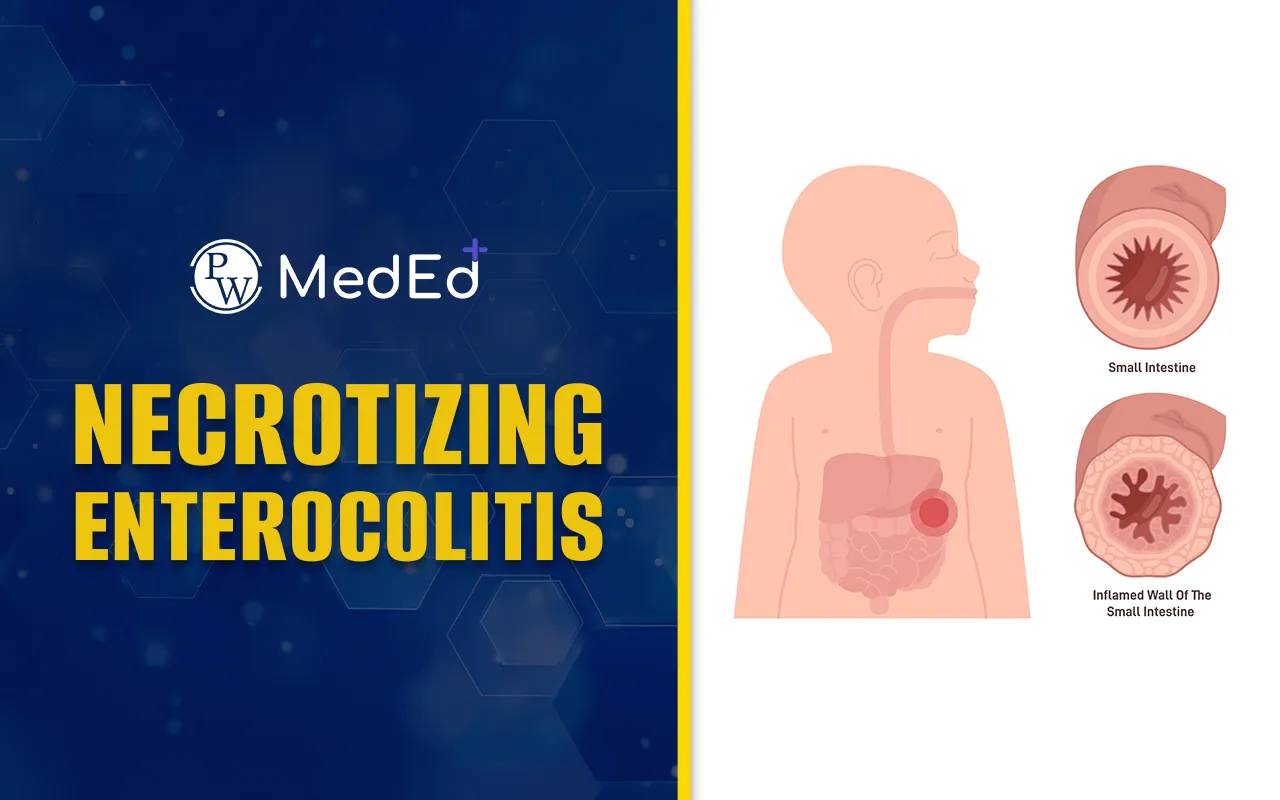
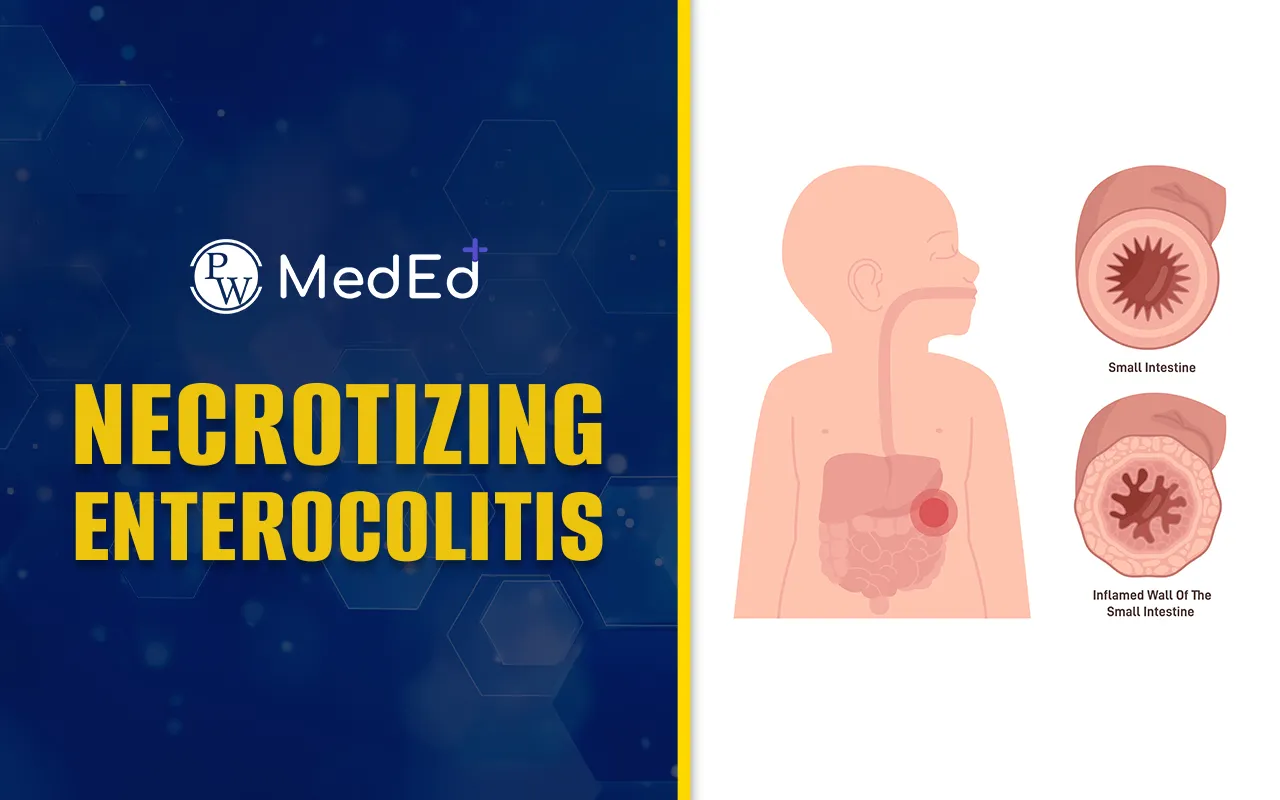
Necrotizing Enterocolitis is a serious health problem that mostly affects babies who arrive before their time. It will affect the intestines and can become harmful if not treated early. Many families will feel worried when they hear this name for the first time. But understanding the condition helps parents stay calm and informed.
Necrotizing Enterocolitis will affect the intestines by causing swelling. This swelling can damage the intestinal tissue. In some severe cases, the tissue may stop working, and it will need treatment. Necrotizing Enterocolitis can appear within the first few weeks after birth. Doctors will watch the premature babies closely because the condition can start suddenly. With early care and support, many babies recover well.
Learning about Necrotizing Enterocolitis makes it easier for families to understand what happens inside the body and why quick medical attention is important.
Also Read - Nerve Supply of Hand: Key Mechanism
What is Necrotizing Enterocolitis?
Necrotizing Enterocolitis is a condition where the intestinal tissue becomes swollen and damaged. The intestines will help the body to digest food and absorb nutrients. When Necrotizing Enterocolitis occurs, this process becomes more difficult.
Sometimes, the damaged tissue can form a small opening. This can let germs escape into the belly area. Doctors will treat Necrotizing Enterocolitis carefully because the babies have delicate organs that need more time to heal.
Necrotizing Enterocolitis mainly affects premature infants. This will happen because their bodies are still in the developmental stage. Their digestive system and immune system are not strong enough to fight infections. Understanding the Necrotizing Enterocolitis will help families to notice early signs and seek fast medical help.
What are the Types of Necrotizing Enterocolitis?
Types of Necrotizing enterocolitis will help doctors to understand how the condition starts and how severe it may be. The types of Necrotizing enterocolitis are based on when symptoms will appear and what will trigger the problem. Some common types are mentioned below:
1. Classic Type
This type usually happens in babies who are born much earlier than expected. It often appears after a few weeks of life. The baby may seem fine at first, but can suddenly show symptoms.
2. Transfusion-Associated Type
Some premature babies need blood transfusions. A few days after this, some may develop signs of Necrotizing Enterocolitis.
3. Atypical Type
This type appears very early, even before the first feeding. It is not very common.
4. Term Infant Type
Full-term babies can also get Necrotizing Enterocolitis. It often happens when the baby has another health condition at birth.
Also Read - Deep Perineal Space
Symptoms of Necrotizing Enterocolitis
Symptoms of Necrotizing Enterocolitis will help caregivers and doctors to identify the problem early. Noticing the Symptoms of Necrotizing Enterocolitis will allow for fast treatment and better recovery. Some common symptoms are mentioned below:
1. Swollen Belly
The baby’s stomach may look bigger or feel tight.
2. Changes in Activity
The baby may seem tired, weak, or not as active as usual.
3. Trouble Feeding
The baby may refuse to feed or may not gain weight.
4. Vomiting
The vomit may have a green or yellow color.
5. Diarrhea
Stool may look unusual or may contain traces of blood.
6. Changes in Breathing or Temperature
The baby may face difficulty in breathing or may have sudden temperature changes.
Causes of Necrotizing Enterocolitis
The cause of Necrotizing enterocolitis is not always clear. However, doctors know several factors that may increase the chance of the condition. Understanding the Cause of Necrotizing enterocolitis helps families learn how the problem develops. Some possible causes include:
1. Immature Digestive System
Premature babies have intestines that are still developing. This makes digestion difficult.
2. Weak Immune System
Premature babies cannot fight infections well, which allows germs to spread quickly.
3. Low Blood Flow to the Intestines
Sometimes, less blood reaches the intestines. This can damage intestinal tissue.
4. Bacterial Infection
Germs inside the intestines can grow too fast and affect the tissue.
5. Feeding Through Tubes
Some babies receive milk through feeding tubes. This may sometimes irritate the intestines.
Diagnosis of Necrotizing Enterocolitis
Doctors check babies carefully to diagnose Necrotizing Enterocolitis. The tests help them understand how much the intestines are affected. Early diagnosis supports safer treatment. Some common methods include:
1. Physical Examination
Doctors check the baby’s belly for swelling and other changes.
2. Blood Tests
These tests look for signs of infection inside the body.
3. Stool Check
Doctors check the stool for blood that may not be visible.
4. X-Ray of the Abdomen
The X-ray shows if there are air bubbles or other unusual signs in the intestines.
5. Monitoring Vital Signs
Changes in breathing, heart rate, or temperature can help diagnose the condition.
Treatment of Necrotizing Enterocolitis
Treatment depends on how much the intestines are affected. Doctors try to help the intestines rest and heal. Necrotizing Enterocolitis needs careful and gentle medical care.
Some treatment options include:
1. Stopping Feedings
Doctors stop milk feedings for some time to allow the intestines to heal.
2. Giving Fluids Through IV
The baby receives fluids and nutrients through a vein.
3. Nasogastric Tube
A tube is placed through the nose to remove extra air and fluid from the stomach.
4. Antibiotics
These medicines help control infections and prevent them from spreading.
5. Surgery
If a part of the intestine is damaged, surgery may be needed. Doctors remove the damaged part and help the body recover. Sometimes, a small opening is made in the belly to allow waste to exit safely. When the baby becomes stronger, the intestines can be reconnected.
6. Drain Placement
If the baby is too small for surgery, doctors may place a small drain to remove infected fluid.
Necrotizing Enterocolitis is a serious but treatable condition. Learning about it helps parents stay informed and calm. With strong medical care and timely attention, many babies recover well. Doctors and nurses monitor babies closely and provide treatments that support healing.
Families should ask questions and stay involved in their baby’s care. Understanding Necrotizing Enterocolitis gives parents confidence and helps them support their baby’s journey toward better health.
Necrotizing Enterocolitis FAQs
What is Necrotizing Enterocolitis in babies?
What causes Necrotizing Enterocolitis?
What are the early signs of Necrotizing Enterocolitis?