






How PW’s PDC Camp Helped Pranjal Strengthen His IOQM Preparation
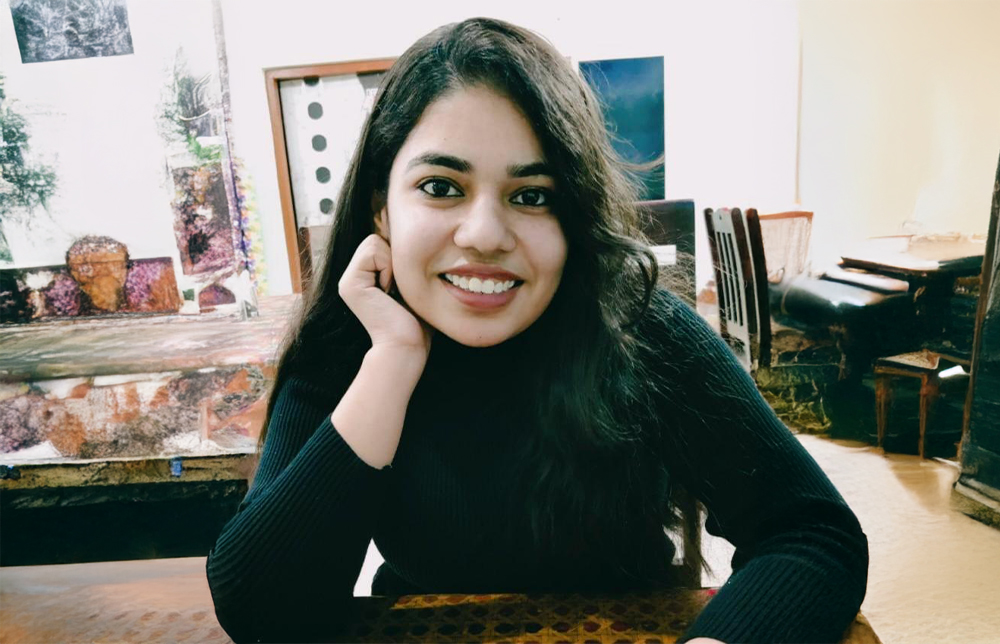
For Pranjal, the journey towards becoming an IOQM topper began when he discovered the real competitiveness and difficulty of the exam. A Class 10 student from Gorakhpur, Uttar Pradesh, he started preparing seriously for IOQM after learning about the exam in January.
As part of the PW PDC camp, Pranjal followed a systematic routine that included daily papers, classes, self-study, teacher discussions and regular paper analysis. His preparation gradually taught him how to approach unfamiliar questions, identify mistakes and build a more efficient problem-solving process.
One of his biggest learnings was that solving questions from only part of a chapter is not enough for IOQM. Completing the full chapter helped him develop conceptual clarity and recognise different approaches while solving problems. At the same time, he continued his school studies by staying focused in class and revising his daily work.
Pranjal Discovered the Real Competitiveness of IOQM in Class 10
Pranjal is from Gorakhpur, Uttar Pradesh, and was in Class 10 when he came to know about IOQM in January. Although he had heard the name of the exam before, he did not initially know about its level of competition or difficulty.
“Main hoon Gorakhpur UP se residential aur mujhe IOQM ke baare mein January mein pata laga tha. Is saal January. December end se 10th mein hai abhi tab mujhe haan tab mujhe pata laga tha ki IOQM ke real competitiveness kya hoti hai? Real toughness kya hoti hai? Pehle mujhe naam suna tha lekin pata nahi tha IOQM ke baare mein poora.”
He had previously appeared for a Science Olympiad and was also preparing for other Olympiads alongside IOQM.
“Pehle pichhle saal Science ka Olympiad diya tha.”
His preparation for IOQM eventually became a broader preparation for competitive Olympiads as well.
Pranjal Learned to Analyse the Paper Before Solving It
One of the important strategies Pranjal developed was to scan the entire paper before attempting questions. Instead of solving questions randomly, he categorised them based on their difficulty.
“Main pehle question ka questions analyse karta hoon. Scan karte ho paper ko. Poore paper ko scan karta hoon. Usmein main marking kar deta hoon. E for Easy, M for Moderate. Aur jo tough rehta hai usko to main kuch nahi karta hoon.”
He starts with the easier questions and identifies questions that are doable but may take more time. He marks those questions for later and then moves towards the moderate ones.
“Phir main pehle easy se start karta hoon. Easy mein bhi jo questions mujhe lagte hain ki nahi ye time-taking hai lekin banne wale hain. Unko main star mark kar deta hoon aur end ke liye rakhta hoon. Phir moderate questions attempt karta hoon.”
If time remains after completing these questions, he attempts the remaining ones. He also considers cross-checking an important part of the process.
“Aur uske baad jo questions mere bache agar mere paas time bacha to main unhe attempt karta hoon. Varna main cross-check karke aur paper submit kar verify karna bahut zaroori hai.”
This approach helped him make a conscious decision about where to spend his limited time during the exam.
How Pranjal Used PW’s PDC Camp to Strengthen His IOQM Preparation
Pranjal was a part of the PW PDC camp, where his preparation followed a structured daily schedule. His routine included a three-hour paper in the morning, followed by classes, self-study, and discussions with teachers and fellow students.
“Hum PDC mein subah aate hain phir paper dete hain 8 o'clock se start hota hai 11 o'clock tak. Phir humein beech mein ek half an hour ka break milta hai. Phir uske baad 11:30 se hamari classes chalti hain approx 1:30 tak jismein ek koi na koi topic matlab fix schedule rehta hai uske hisaab se.”
After the morning classes, students had lunch before moving into their self-study session.
“Phir 1:30 se 2 o'clock tak hum lunch karte hain. Phir 2 se 4 hamara self study time rehta hai jismein hamare saath teachers rehte hain. Hum unse aaj ke paper ke discussions karte hain. Hum students aapas mein discuss karte hain.”
The schedule continued with another class later in the day, while students also had time to address their doubts from the papers.
This routine gave Pranjal an opportunity to not only attempt questions but also discuss and analyse them afterwards. For him, attempting the paper independently before seeking help was important.
“Baar-baar paper mein to doubt aata hi hai to ek baar lekin ye try karte hain ki paper khud se kar lein. To ye sabse important baat hai.”
The PDC environment therefore became an important part of his preparation, combining regular practice with guided discussions and self-study.
Pranjal Used Paper Analysis to Improve His Problem-Solving Approach
For Pranjal, giving a paper was only one part of the preparation. Analysing the paper afterwards helped him understand where he was going wrong.
“Main paper ek to paper dene ke baad dekhte hain ki achha ye question to kaafi easy lag raha tha lekin kya hua? To usmein kuch mistakes pata chalti hai.”
Discussions also helped him compare his approach with shorter or more efficient solutions. At times, he found that his own solution was much longer than the discussed solution.
“Kaafi baar lagta hai aisa ki humne to itne cases banaye, itna kiya lekin is solution mein to matlab jo humne ek page kiya wo paanch line mein kiya.”
This comparison helped him understand not just whether his answer was correct, but how his thought process could be improved.
“Aage ke liye ek to wo approach build karna seekhte hain. Wo thought process kaise build hoga wo seekhte hain aur usse bhi badi cheez ye seekhte hain ki humare mein agar wo question galat hai to kya galti reh gayi aur sahi hai to hum use aur improve kaise kar sakte hain?”
For Pranjal, solution analysis became a way of developing the ability to recognise the right approach more quickly.
Pranjal Built His Approach Through Consistent Practice
Building an approach for unfamiliar questions was not something Pranjal could do from the beginning. He believes that this ability developed gradually as he covered the syllabus and practised more questions.
“Sir, approach to meri bhi starting mein nahi hoti thi. Wo jaise-jaise hum syllabus cover karte hain, practice sabse best cheez hoti hai.”
He explained that repeated practice helps students develop the ability to recognise what concept or approach might be useful as soon as they see a question.
“Agar aap practice karenge to automatically aapko question dekhne ke baad realisation hona chahiye ki achha ye cheez aa rahi hai mind mein.”
According to him, students should not worry if they do not immediately know how to approach a question.
“Agar nahi ho raha hai starting mein to koi nahi mere saath bhi nahi hua. Lekin uske baad phir dheere-dheere wo karte-karte practice karte practice karte dheere-dheere approach wo mind develop ho jaata hai.”
This gradual development of approach became an important part of his preparation.
Pranjal Focused on Completing the Full Chapter Before Solving Modules
Another important lesson from his preparation was the need to study the entire chapter instead of focusing only on a portion and then attempting a large number of questions from it.
“Dekho yaar sabse important baat ye bhi hai na ki bachche na kai baar kya hai poora chapter padhte hi nahi hain. Aadhe chapter mein sochte hain ki hum poore module laga lein. Lag paayega kabhi?”
He pointed out that students may understand the basic concepts of a topic and assume that they are ready to solve Olympiad-level problems. However, IOQM questions may require students to think beyond those basics.
“Wo hota basic hai lekin IOQM mein aapke paas itna time nahi rehta ki aap us basic se koi nayi theorem ya kuch derive karein.”
For Pranjal, completing the chapter first helped create stronger conceptual clarity.
“Poora chapter jab aap padh lete hain to aapko ek conceptual clarity aa jaati hai.”
Once that clarity is developed, students can approach questions with a wider range of possible ideas.
“To phir aap questions lagate hain to aapke paas har ek thought process ke liye, har ek approach ke liye ek idea rehta hai. Ek key rehti hai ki mujhe is question mein ye approach lagani hai. Mujhe ismein ye karna hai.”
This became one of the key lessons from Pranjal's preparation: complete the concepts first, then build speed and approach through practice.
Pranjal Balanced IOQM Preparation with His School Studies
Alongside his Olympiad preparation, Pranjal continued to manage his school studies. His approach was to stay attentive during school classes and revise the day's work at home, while keeping his main preparation focus on IOQM.
“Main zyada focus IOQM pe karta hoon. School studies pe main matlab jo daily ka daily hota hai wo class mein achhe se concentrate karta hoon aur ghar aane ke baad thoda sa uska revision.”
He believes that school studies and IOQM preparation can both be handled effectively when students avoid mixing the two unnecessarily.
“Lekin baaki time I can bhi kyunki school studies mujhe lagta hai ki agar aap dono ko mix na karein to dono achhe se ho sakti hai. School ki bhi achhe se ho sakti hai aur IOQM bhi achhe se ho sakti hai.”
His experience also challenges the common belief that Olympiad preparation automatically affects school performance. According to Pranjal, the outcome ultimately depends on how effectively students use the time they set aside for preparation.
“Aap IOQM ke liye samay bhi de rahe ho lekin us time pe padh bhi nahi rahe. To ye bhi kya hoga ki aapka failure hi hai. Aap samay to nikaal rahe ho lekin aap padh nahi rahe us time pe.”
For Pranjal, the key was not choosing between school and IOQM, but using his study time properly and maintaining focus on both.
Pranjal’s IOQM Journey Shows Why Consistent Practice Matters
Pranjal's preparation journey highlights how regular practice, paper analysis and conceptual clarity can gradually improve an Olympiad student's problem-solving ability. His experience at the PW PDC camp gave him a structured environment where he could attempt papers, analyse mistakes, discuss solutions and continue practising.
His biggest takeaway was that approach-building does not happen overnight. It develops through completing the syllabus, practising different questions, analysing solutions and repeatedly thinking about why one approach works better than another.
At the same time, his experience shows that preparing for IOQM does not necessarily mean compromising on school studies. With focused study and proper time management, he believes both can be handled together.
PW provides Olympiad exam content, including Olympiad Exams Updates, sample papers, mock tests, guidance sessions, and more. Also, enroll today in the Olympiad Online Batches for preparation.









Get Free Counselling Today
and Clear up all your Doubts
 Live & recorded classes available at easeDashboard for progress trackingLakhs of practice questions

