







CBSE Class 9 English Kaveri Chapter 1 NCERT Solutions: How I Taught My Grandmother to Read By PW
 Mishika Gupta11 Sept, 2026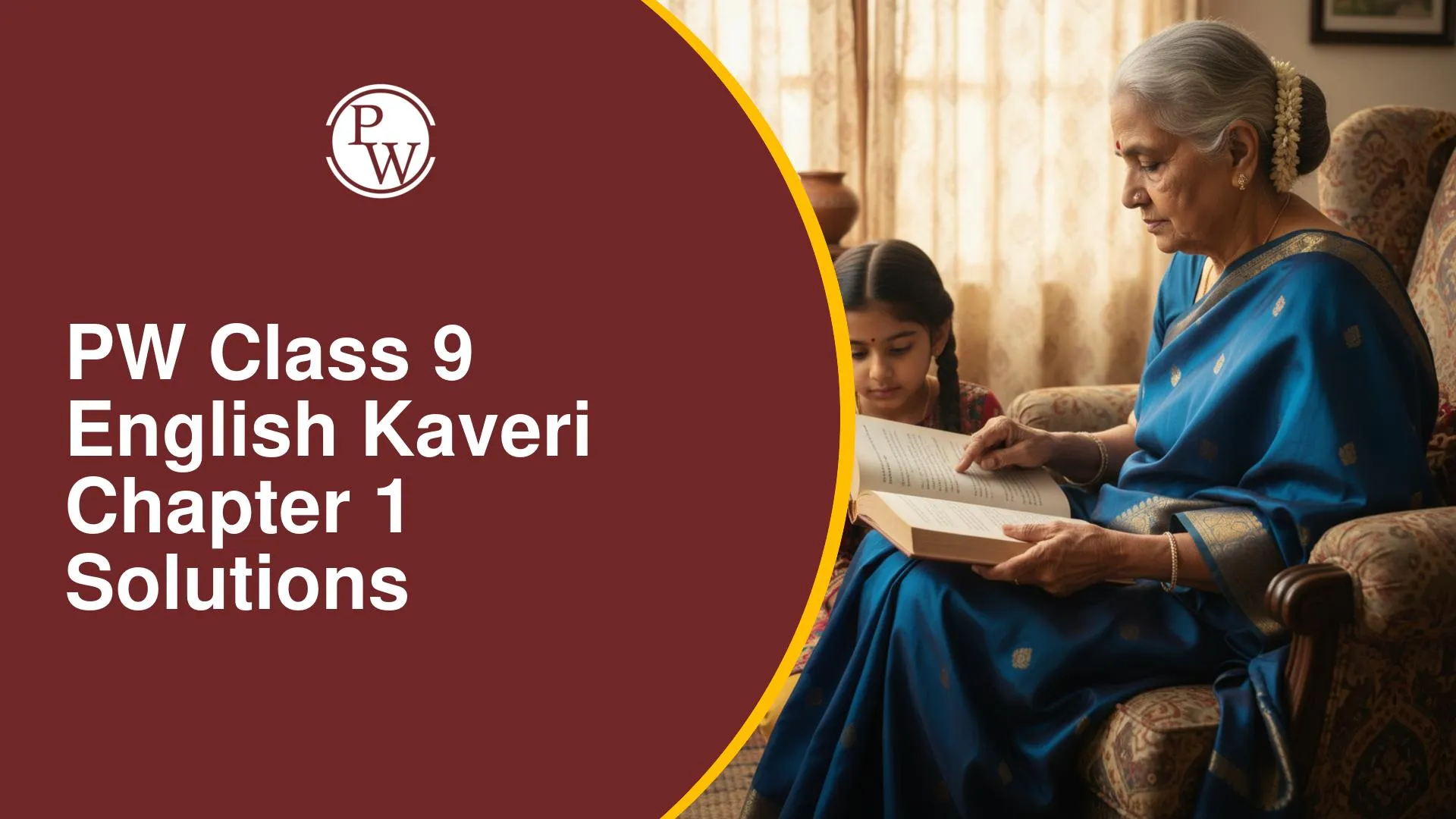
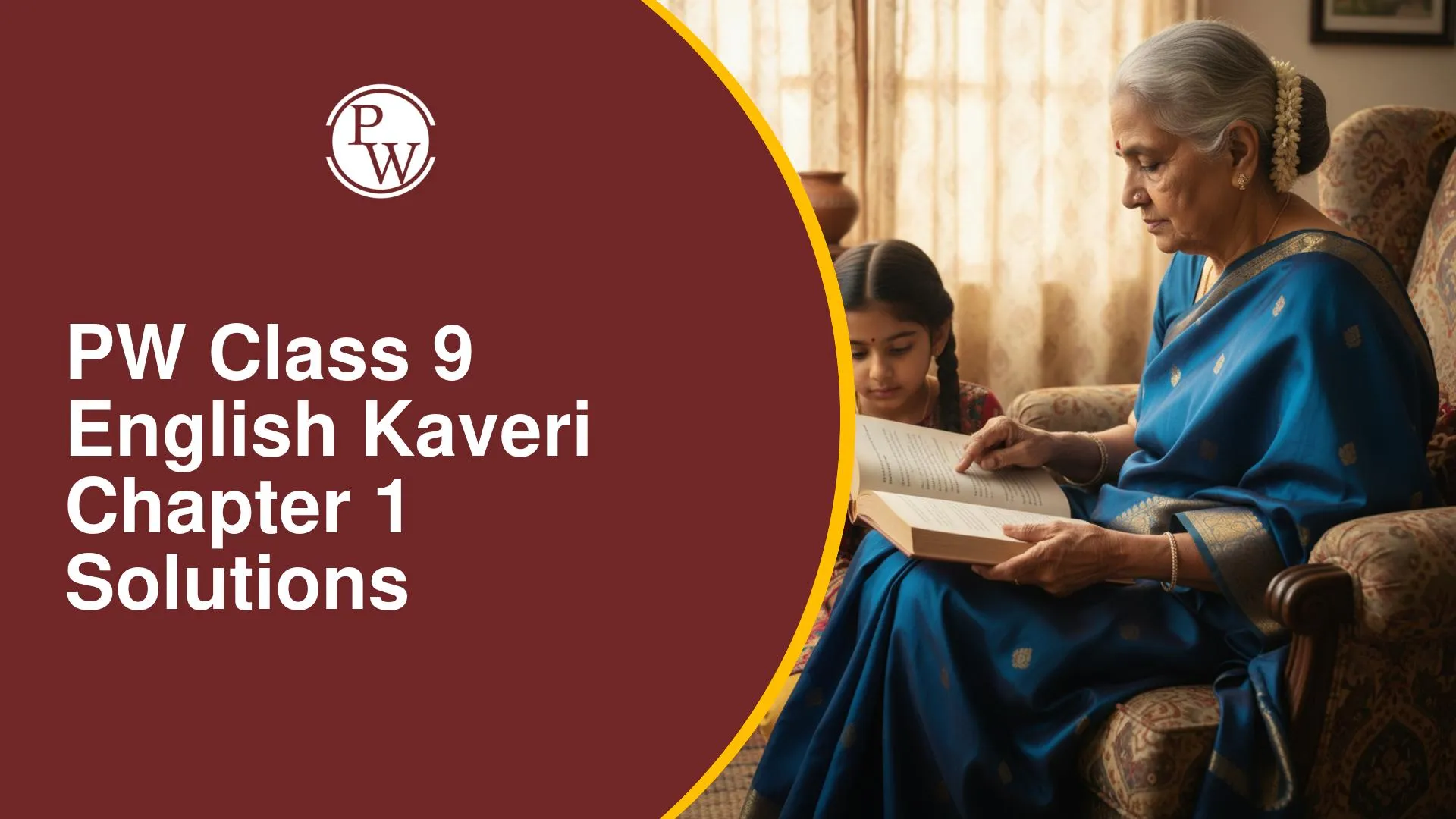
Education can change how you see yourself and the world around you. In How I Taught My Grandmother to Read, Krishtakka, the grandmother of the narrator, realises how difficult it is to depend on others for something as simple as reading. Her interest in Kashi Yatre makes her understand the importance of becoming literate and independent. Her decision to learn at the age of sixty-two shows that learning has no age limit.
The Physics Wallah Class 9 English Kaveri Chapter 1 NCERT Solutions provide answers to important questions from the chapter. You can use them after attempting the questions yourself to understand Krishtakka’s character, her desire for education, and the central ideas of determination, self-reliance, and respect for teachers.
Class 9 English Kaveri Chapter 1 Solutions
How I Taught My Grandmother to Read by Sudha Murty is a story about a grandmother who decides to learn to read despite being sixty-two years old. The questions below focus on important events, character traits, and lessons from the chapter.
1. What was the reason that morning papers arrived late and weekly magazines came one day late?
Answer:
The morning papers and weekly magazines arrived late because the transport system was not very good at that time. This delay also affected when people could read the latest news and stories.
2. What happened because the grandmother, Krishtakka, had never gone to school?
Answer:
Since Krishtakka had never attended school, she could not read by herself. She depended on others, including the narrator, to read stories and other written material to her.
3. Why was Krishtakka deeply interested in the story Kashi Yatre?
Answer:
Krishtakka was deeply interested in Kashi Yatre because she identified herself with the novel's protagonist. She connected with the character and became emotionally involved in the story.
4. What was the effect of the narrator going to a wedding for a week?
Answer:
When the narrator went to a wedding for a week, Krishtakka could not hear the next episode of Kashi Yatre. This made her realise how dependent she was on someone else to read the story to her.
5. Why had the grandmother never gone to school?
Answer:
The grandmother had never gone to school because, in those days, education was not considered essential for girls. Social attitudes towards girls' education were different, so she did not get the opportunity to attend school.
6. What was the effect of the grandmother's regret about not going to school?
Answer:
Her regret made her realise the importance of education. She therefore made sure that her children and grandchildren studied well so that they would not face the same limitations that she had experienced.
7. Why did the grandmother feel embarrassed to ask someone else to read to her while the narrator was away?
Answer:
Krishtakka felt embarrassed because she was afraid that people would laugh at her inability to read. She wanted to become independent rather than depend on someone else for reading.
8. What does the grandmother's statement, "I want to be independent," reveal about her character?
Answer:
The statement shows that Krishtakka desires self-sufficiency. She does not want to depend on others for reading. Her wish to learn reflects her confidence, determination, and strong desire for independence.
9. Why does the narrator initially laugh at her grandmother's determination to learn at the age of sixty-two?
Answer:
The narrator initially laughs because she thinks her grandmother is too old to start learning. However, she soon understands that her grandmother is serious about her goal and decides to help her learn.
10. What significance does the story of Kashi Yatre have in the grandmother's life?
Answer:
Kashi Yatre becomes an important turning point in the grandmother's life. Her inability to read the story herself makes her realise the importance of literacy. Thus, the story becomes the reason for her desire to become literate and independent.
11. What does the grandmother's desire to learn the Kannada alphabet reflect about her?
Answer:
Her desire to learn the Kannada alphabet shows that she is determined, courageous, and eager to become independent. She does not allow her age or lack of previous schooling to stop her from learning.
12. What lesson can we infer from the grandmother touching the narrator's feet?
Answer:
The grandmother touching the narrator's feet shows that a teacher deserves respect regardless of age or gender. Although the narrator is much younger, she becomes the grandmother's teacher and deserves the same respect given to any teacher.
Class 9 English Kaveri Chapter 1 Solutions PDF
You can keep the chapter solutions available while revising How I Taught My Grandmother to Read. Reviewing the answers after attempting the questions yourself can help you recall important events, character traits, and themes from the story.
PW Solutions for Class 9 English Kaveri Chapter 1: How I Taught My Grandmother to Read – Part 1
Study without using the internet
PW Solutions for Class 9 English Kaveri Chapter 1: How I Taught My Grandmother to Read – Part 2
Study without using the internet
How Can Physics Wallah Class 9 English Solutions Help You?
Physics Wallah's solutions can help you understand the chapter and check your answers while preparing for school examinations.
-
Check Your Answers: Compare your responses with the solutions after attempting each question yourself.
-
Understand the Character: Learn how Krishtakka's experiences shape her determination to become literate.
-
Revise Important Events: Revisit key moments such as the narrator's absence, the grandmother's decision to learn, and her first reading experience.
-
Understand the Themes: Use the answers to revise ideas such as education, independence, determination, and lifelong learning.
-
Improve Written Answers: Observe how answers can be written clearly while including the important points from the chapter.
-
Learn from Mistakes: Identify missing details or incorrect interpretations by comparing your answers with the solutions.
-
Prepare for Tests: Use the solved questions for quick revision before class tests and examinations.
Why Choose Physics Wallah for Class 9 English Preparation?
You can use Physics Wallah resources along with the Class 9 English Kaveri Chapter 1 Solutions to understand the syllabus, revise the chapter, practise important questions, and assess your preparation.
-
Know What to Study: Check the Class 9 English Syllabus to understand the chapters, topics, and overall course requirements before starting your preparation.
-
Strengthen Chapter Understanding: Use the Class 9 English NCERT Solutions to check your answers and understand the important events, characters, themes, and ideas from the chapter.
-
Practise Important Questions: Solve Class 9 English Important Questions to revise key concepts and practise answering questions based on the chapter.
-
Assess Your Preparation: Attempt Class 9 English Sample Papers to practise different question formats and evaluate your preparation before examinations.
The story of Krishtakka shows that learning does not have an age limit. Her decision to become literate at sixty-two reflects her courage, determination, and desire for independence. Use the Class 9 English Kaveri Chapter 1 Solutions after attempting the questions to check your understanding and revise the important ideas from How I Taught My Grandmother to Read.
Class 9 English Kaveri Chapter 1 Solutions FAQs
What is the main theme of How I Taught My Grandmother to Read?
Why did Krishtakka want to learn to read?
Why could Krishtakka not read the story Kashi Yatre herself?
What does Krishtakka's decision to study at sixty-two teach us?


Have questions about your prep?
Our experts can answer all your questions


 Live & recorded classes available at easeDashboard for progress trackingLakhs of practice questions

