Longest Bridge in Odisha, The T-Setu Bridge

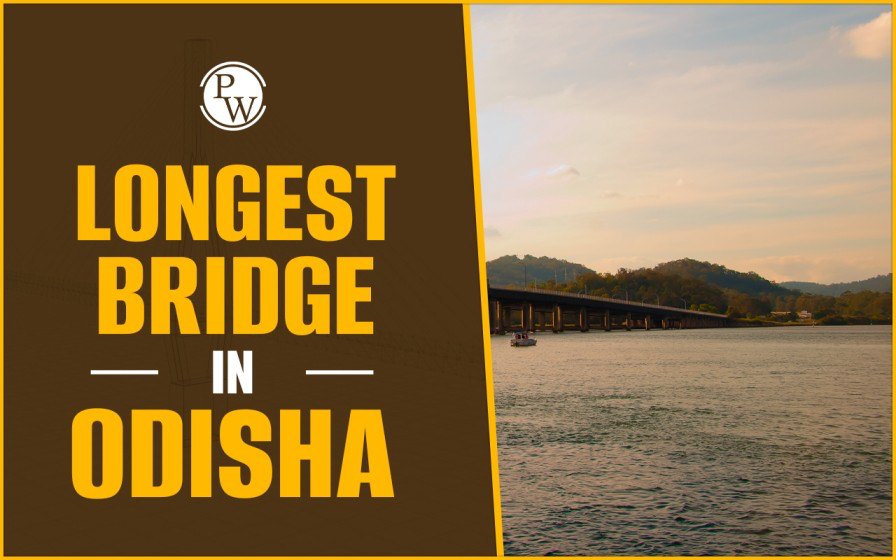
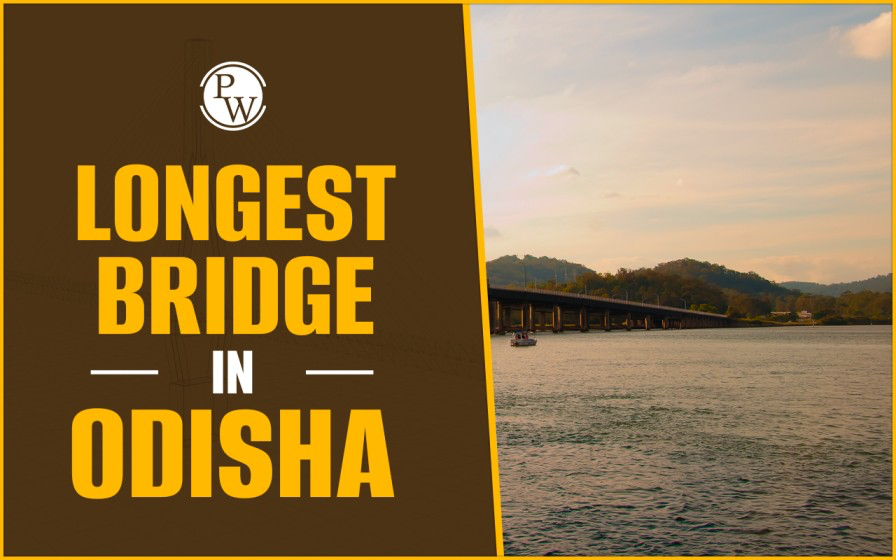
Longest Bridge in Odisha: The T-Bridge, also known as T-Setu, is the longest bridge in Odisha, stretching an impressive 3.4 kilometers over the Mahanadi River. Inaugurated in March 2024, by Chief Minister Naveen Patnaik, this bridge serves as a vital connection between Gopinathpur in Badamba and Baideswar in Banki, significantly enhancing transportation in the region.
Longest Bridge in Odisha
The longest bridge in Odisha is a remarkable feat of engineering, designed in the distinctive shape of the English letter 'T'. Spanning a width of 7.5 meters, it includes pedestrian footpaths of 1.5 meters on either side, ensuring safe travel for walkers. The bridge, which was built at a cost of ₹111 crore, serves both as a functional transportation route and an impressive addition to the state's infrastructure. Its unique design enhances the aesthetic appeal of the area while fulfilling the needs of modern connectivity in Odisha.
Also read: Horticulture in Odisha
Historical Background of Longest Bridge in Odisha
The foundation stone for the T-Setu bridge was laid by Odisha's Chief Minister, Naveen Patnaik, marking the beginning of an important infrastructure project for the state. However, the construction faced significant delays due to various technical challenges, which pushed the actual commencement of work. The bridge was a long-standing demand of the local population, who had been advocating for better access to vital services and religious sites. The T-Setu became crucial for improving connectivity between key areas, allowing people to travel more easily to important destinations. Despite the initial setbacks, the successful completion of the bridge has been seen as a vital step in boosting the region's development and accessibility. Its construction also demonstrates the state's commitment to addressing the needs of its people while overcoming complex engineering hurdles.
Design and Specifications of Longest Bridge in Odisha
The T-Setu boasts several impressive features, including its unique 'T' shape design, wide 7.5-meter width with pedestrian-friendly footpaths, and the ability to enhance connectivity between key regions, making it a vital infrastructure addition to Odisha.
-
Length: 4 kilometers, making it the longest bridge in Odisha.
-
Width: The bridge has a total width of 7.5 meters, with pedestrian pathways of 1.5 meters on both sides.
-
Shape: Its distinctive 'T' shape is not just for aesthetics; it also provides structural stability and facilitates traffic flow.
This design allows for safe passage for both vehicles and pedestrians, ensuring that the bridge serves a wide range of users.
Also read: Tribes in Odisha
Advantage of Longest Bridge in Odisha
-
Economic Impact
The T-Setu is set to significantly benefit approximately 500,000 people living in nearby localities by providing a much-needed boost to their connectivity. By cutting the travel distance between Badamba and Baideswar by nearly 45 kilometers, the bridge enhances access to essential services like markets, schools, and healthcare facilities. This improvement in transportation will save time and reduce travel costs for daily commuters, thus fostering economic growth and improving the overall quality of life in the region. The bridge will play a pivotal role in the socio-economic development of the surrounding areas.
-
Agriculture and Commerce
The T-Setu is expected to significantly boost agricultural productivity by providing farmers with quicker and easier access to markets, enabling them to sell their produce more efficiently. This improved connectivity will reduce transportation costs and time, benefiting local farmers and enhancing the region's agricultural output. Furthermore, the bridge will foster trade and commerce by improving the flow of goods, encouraging local businesses to grow and thrive. This will contribute to the overall economic development of the area, creating new opportunities for both farmers and entrepreneurs.
-
Tourism Development
The T-Setu plays a vital role in promoting tourism by enhancing access to significant cultural and religious events. It connects devotees to the renowned Baba Singhanath's Bali Makar Jatra, a major religious festival that attracts numerous visitors each year. With improved transportation, more tourists can attend these events, leading to a surge in footfall and benefiting local businesses, hotels, and vendors. This increased tourism will have a positive impact on the local economy, boosting the livelihood of those involved in the hospitality and retail sectors.
Also read: Smallest District in Odisha
Disadvantages of Longest Bridge in Odisha
Being a coastal structure, the T-Setu Bridge is prone to the effects of corrosion due to the salty environment. Regular maintenance is necessary to ensure its durability and safety. The state government and concerned authorities have undertaken periodic inspections and repairs to maintain the bridge in optimal condition.
During the monsoon season, the region is vulnerable to floods, which can sometimes affect the bridge’s accessibility. The authorities have put in place measures to minimize disruption, including drainage systems to deal with heavy rainfall and periodic checks for structural integrity.
Also read: GI Tag in Odisha
Longest Bridge in Odisha FAQs
What is the T-Setu?
What is the total width of the T-Setu?
How much did the T-Setu cost to build?
Who will benefit from the T-Setu?



 Live & recorded classes available at easeDashboard for progress trackingLakhs of practice questions