How to Structure IELTS Writing Task 2 for Band 7+? Tips to Improve Score

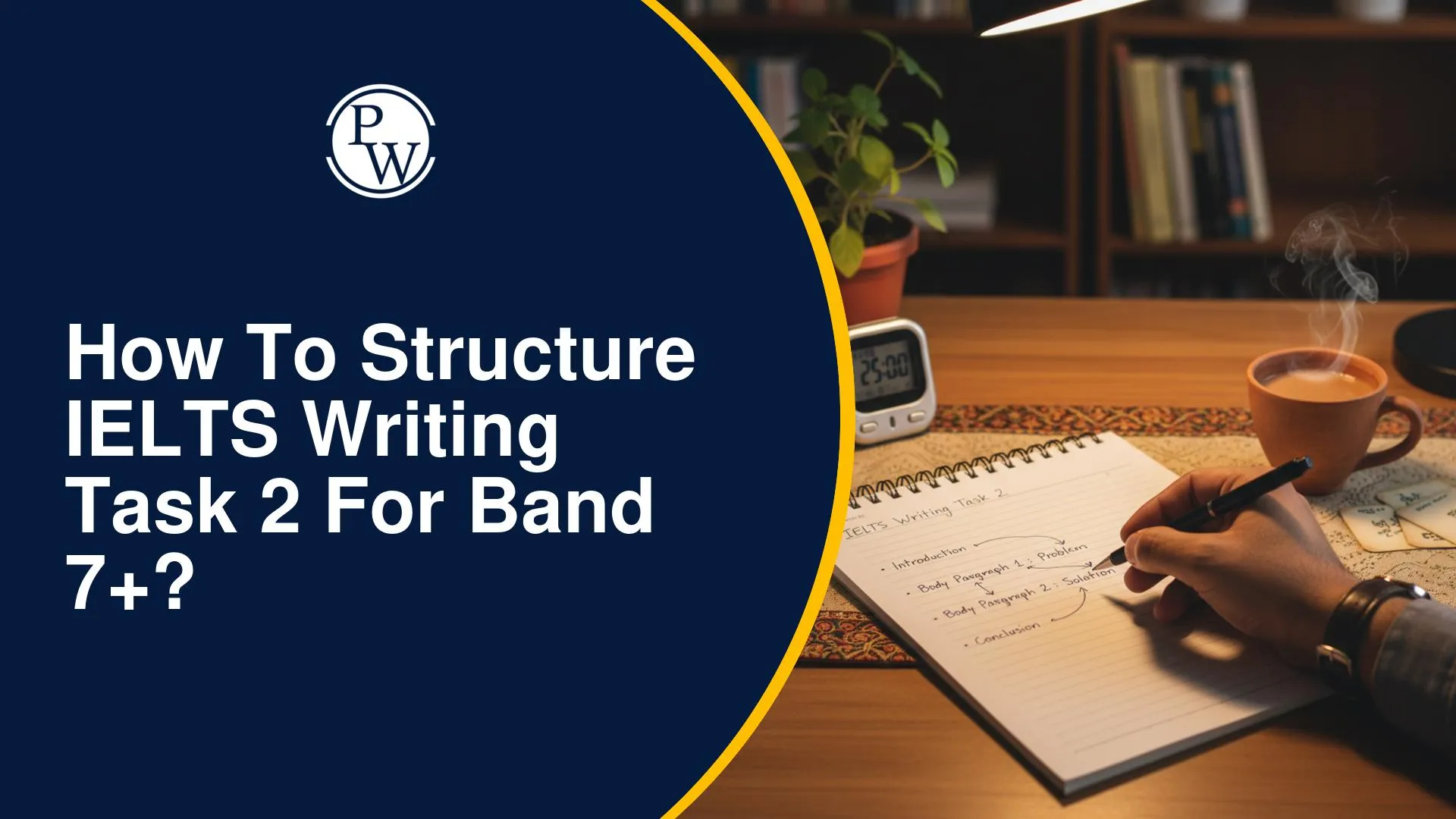
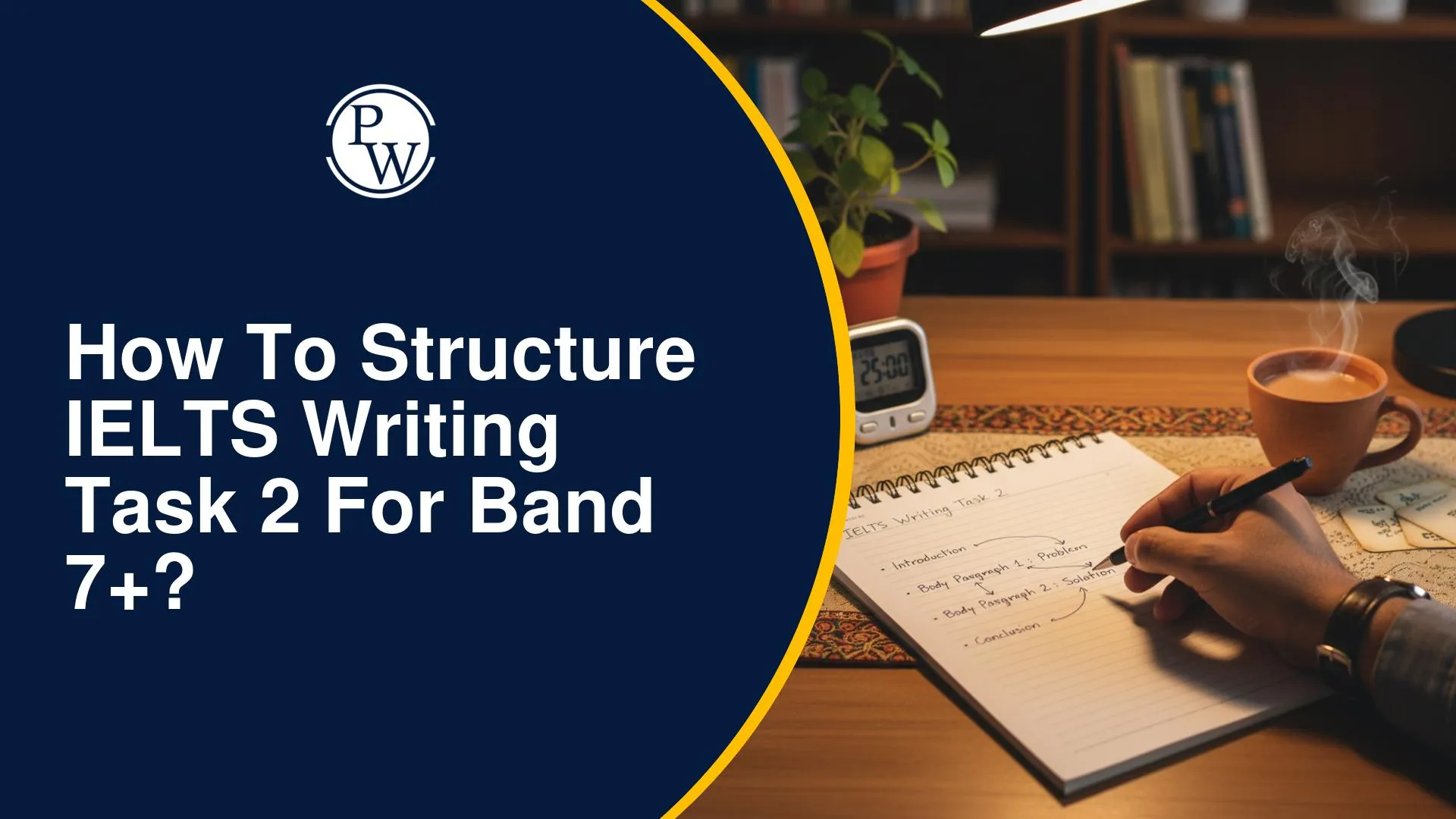
Achieving a Band 7 or higher in IELTS Writing Task 2 requires more than just good English, it demands clarity, structure, and strategic planning. Many test-takers struggle not because they lack ideas, but because they fail to present those ideas in a well-organized and examiner-friendly way.
Understanding How to Structure IELTS Writing Task 2 for Band 7+ is essential if you want to meet all assessment criteria, including Task Response, Coherence and Cohesion, Lexical Resource, and Grammatical Range and Accuracy. With the right approach, a clear essay framework, and consistent practice, you can significantly improve your IELTS Writing Score and perform confidently on exam day.
IELTS 2026 Writing Task 2 Overview
In IELTS Writing Task 2, you must write a formal academic essay of at least 250 words. The task assesses:
-
Task Response (answering the question fully)
-
Coherence and Cohesion (clear organization and linking)
-
Lexical Resource (vocabulary range)
-
Grammatical Range and Accuracy
A strong structure is essential if you want to master Structure of IELTS Writing Task 2 for Band 7+ and achieve a competitive score.
Steps to Structure IELTS Writing Task 2 for Band 7+
Following the right steps to Structure IELTS 2026 Writing Task 2 for Band 7+ can make a huge difference in your performance.
1. Answer All Parts of the Question
Carefully analyze the prompt. If the question asks you to discuss both views and give your opinion, make sure you do all three. Missing one part lowers your Task Response score.
When learning How to Structure IELTS Writing Task 2 for Band 7+, always start with proper question analysis.
2. Present a Clear Position from the Beginning
State your opinion clearly in the introduction. Do not change your stance in the middle or conclusion.
For example:
-
If you agree, remain consistent.
-
If you partially agree, clarify the extent.
Consistency is a key element of How to Structure IELTS Writing Task 2 for Band 7+ effectively.
3. Use a Clear Essay Structure
A proper structure is essential to increase your band score. Your essay should include:
Introduction
-
Paraphrase the question
-
State your clear opinion
Body Paragraph 1
-
Main idea
-
Explanation
-
Example
Body Paragraph 2
-
Second main idea
-
Explanation
-
Example
Conclusion
-
Summarize key points
-
Restate your opinion clearly
Leave a clear space between paragraphs to improve readability.
4. Use Linking Devices for Coherence
Linking words improve flow and coherence. Examples include:
-
However
-
Therefore
-
In addition
-
On the other hand
-
As a result
Using cohesive devices correctly is a vital step in understanding How to Structure IELTS Writing Task 2 for Band 7+. Avoid overusing simple connectors like “and” or “but.”
5. Use a Range of Vocabulary
To score Band 7+, you must demonstrate lexical flexibility.
Tips:
-
Use topic-specific vocabulary
-
Include natural collocations
-
Avoid memorized phrases
-
Check spelling carefully
Expanding vocabulary is crucial if you want to improve IELTS Writing Score consistently.
6. Use a Range of Grammatical Structures
Combine simple and complex sentences. For example:
-
Conditional sentences
-
Relative clauses
-
Passive structures
Grammatical accuracy plays a major role in How to Structure IELTS Writing Task 2 for Band 7+. Avoid repetitive sentence patterns.
7. Proofread Your Essay Carefully
Always leave 3–5 minutes to review your essay.
Check for:
-
Grammar mistakes
-
Spelling errors
-
Punctuation issues
-
Missing question parts
Proofreading is often the final step that helps improve IELTS Writing Score significantly.
Also Check: Types of IELTS Essays in IELTS Writing Task 2 with Tips
Common Mistakes to Avoid in IELTS Writing Task 2
Even if you understand a proper Structure IELTS Writing Task 2 for Band 7+, avoid these common errors:
-
Writing off-topic
-
Changing your opinion midway
-
Writing too few words
-
Overcomplicating vocabulary
-
Ignoring paragraph structure
Avoiding these mistakes strengthens your overall performance.
How to Improve IELTS Writing Score
If you are aiming for Band 7 or above, here’s how to improve IELTS Writing Score effectively:
-
Practice different essay types regularly
-
Analyze high-scoring sample essays
-
Get feedback from experienced teachers
-
Focus on structure before vocabulary
-
Time yourself during practice sessions
Consistent practice combined with mastering How to Structure IELTS Writing Task 2 for Band 7+ will steadily raise your score.
Explore the IELTS Courses 2026 to access essential resources for IELTS exam preparation, including detailed insights and strategies. Dive into the IELTS 2026 for structured courses and focused study plans designed to help aspirants in their exams.
How to Structure IELTS Writing Task 2 for Band 7+ FAQs
What is the primary goal of IELTS Writing Task 2?
Why is a clear position important in the essay?
How can I improve my vocabulary for Task 2?
What are linking devices, and why use them?
How does structure help achieve a higher band score?