Is IELTS Going Fully Computer-Based in 2026? Latest Updates

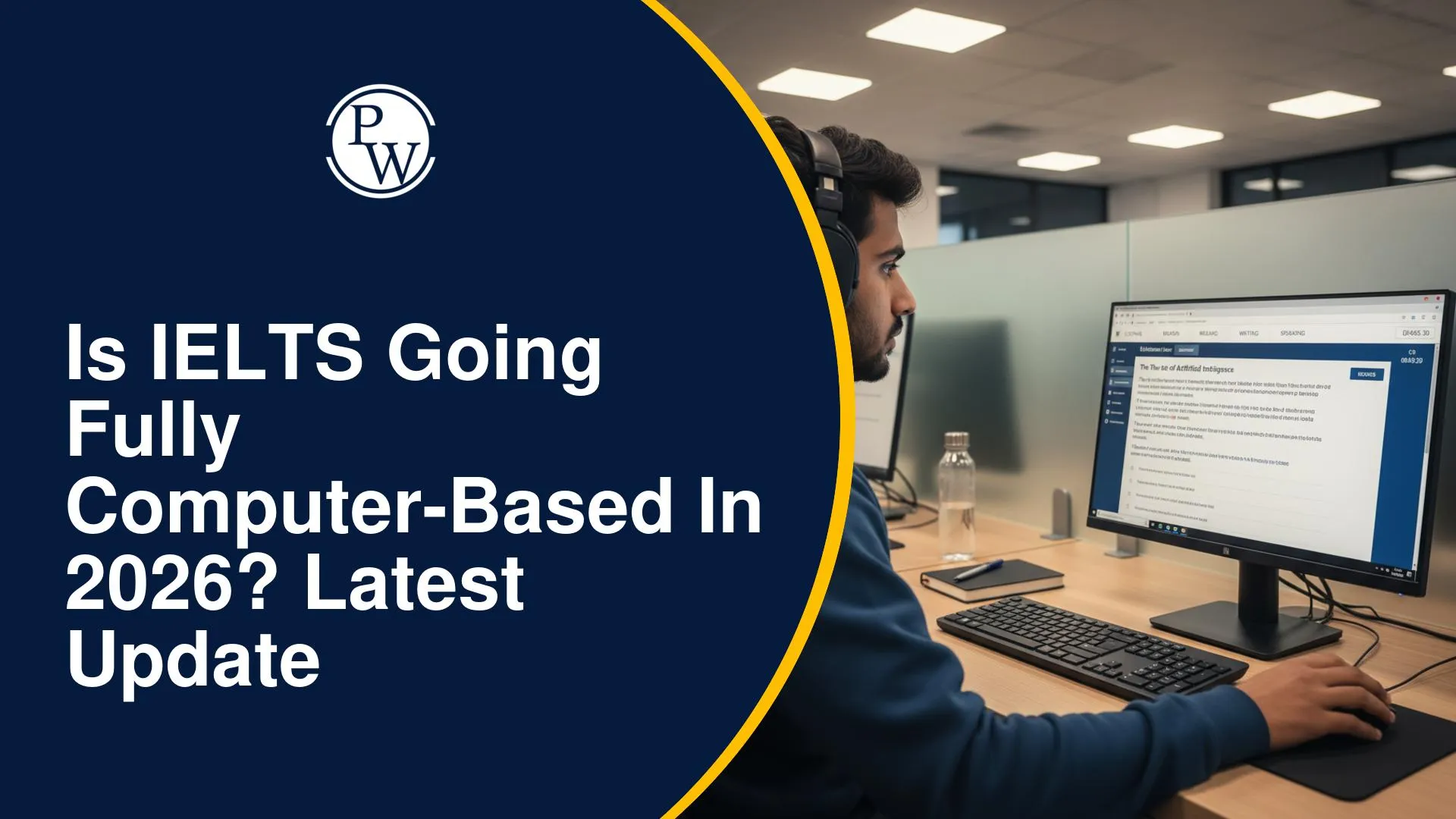
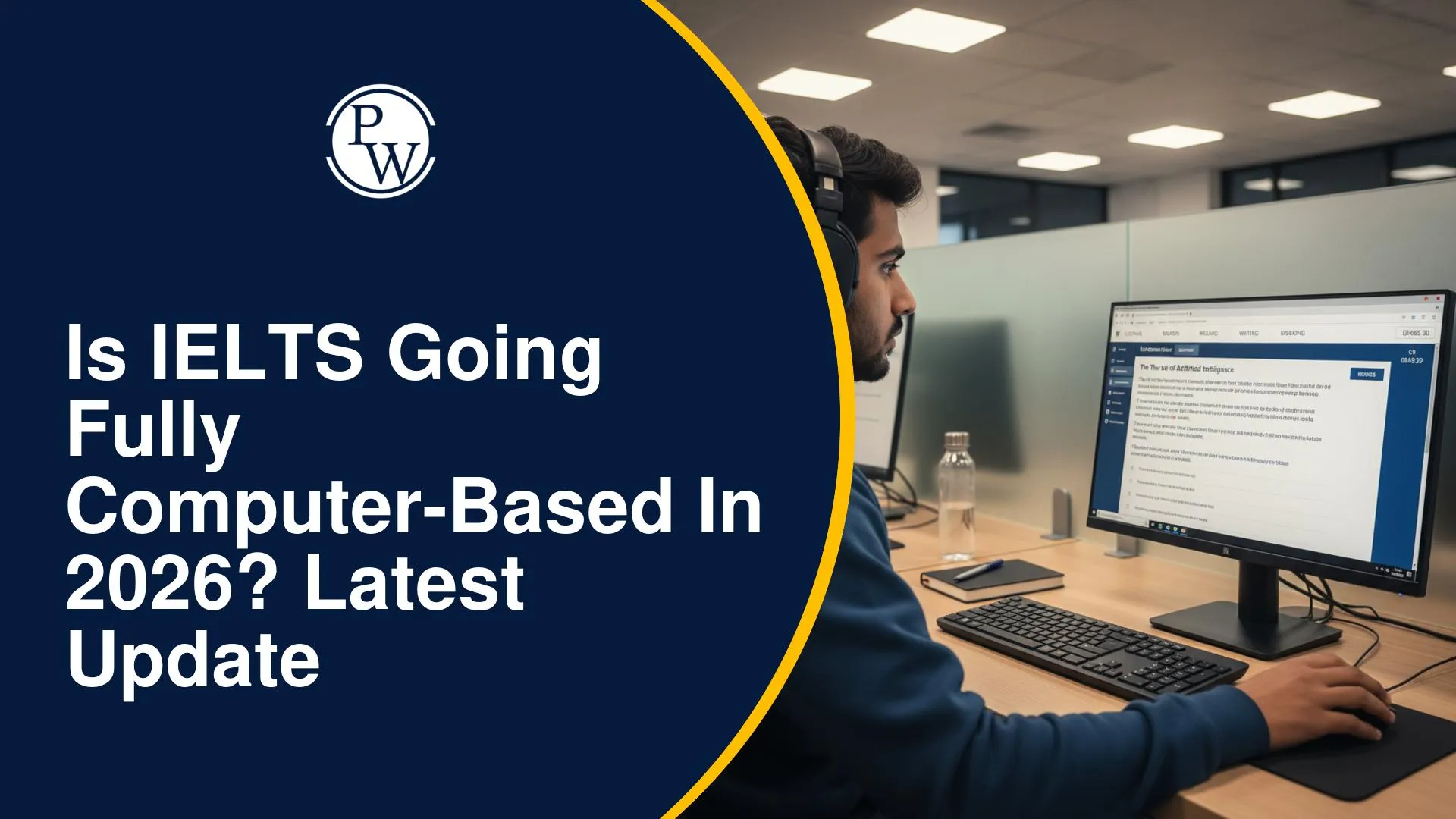
For decades, the International English Language Testing System (IELTS) has been the gold standard for study, work, and migration. However, the traditional pen-and-paper format is reaching its final chapters. Following a strategic review, official partners have announced that IELTS will go fully computer-based by mid-2026. This move marks one of the most significant changes in the exam’s history, responding to a global shift toward digital-first assessments and the increasing demand for convenience among test-takers.
Why IELTS is Moving to Computer-Based Test in 2026
The need for enhanced security, operational efficiency, and candidate satisfaction drives the decision to phase out paper-based tests (PBT). Official reports confirm that Computer-Delivered (CD) IELTS offers several advantages that the paper format cannot match:
-
Faster Results: Candidates receive scores within 3–5 days, compared to the 13-day wait for paper results.
-
One Skill Retake (OSR): Exclusive to IELTS computer-based takers, this allows you to retake only one section (Listening, Reading, Writing, or Speaking) if you underperform, rather than repeating the entire exam.
-
Increased Flexibility: IELTS Test centers can offer more frequent dates and multiple time slots per day.
-
Enhanced Security: Digital delivery uses biometric checks and secure networks, reducing risks associated with the shipping and storage of physical test booklets.
How the Transition Will Work?
The phase-out will be gradual and managed on a market-by-market basis to ensure a smooth shift for candidates and centres.
-
High-Volume Markets: In countries like India and Pakistan, the shift will be phased to ensure local infrastructure (high-speed internet and hardware) is ready. Major metropolitan cities are expected to transition first.
-
UKVI Alert: Note that the Secure English Language Test (SELT) for UK Visas & Immigration is moving to a digital-first format even faster than the standard Academic/General tests.
Note: Transition timelines are managed locally. Candidates should check with their specific test centre for the exact date the paper-based format will be phased out in their city.
Introducing the "Writing on Paper" Hybrid Option
To support candidates who prefer handwriting over typing, IELTS is introducing a "Writing on Paper" mode in selected regions.
-
Listening & Reading: Completed on a computer.
-
Writing: Completed by hand on a physical answer sheet.
-
Important Note: If you choose this hybrid option, any subsequent One Skill Retake for writing must also be completed on paper. Research confirms that scores remain comparable between this hybrid mode and the standard computer test.
Impact on Students: Fees & Preparation
As the transition nears, two major updates affect aspirants:
-
Fee Increase: From April 1, 2026, the standard IELTS test fee in India is expected to rise to approximately INR 19,000.
-
Preparation Shift: Students are encouraged to practice with digital mock tests to get accustomed to the CD IELTS interface, which includes features like "cut and paste," highlighting, and on-screen timers.
|
Comparison: Paper-Based vs. Computer-Based IELTS |
||
|
Feature |
Paper-Based (Phasing Out) |
Computer-Based (2026 Standard) |
|
Result Timeline |
13 Days |
3–5 Days |
|
One Skill Retake |
Not Available |
Available |
|
Test Frequency |
Fixed (up to 4x/month) |
Almost Daily |
|
Writing Style |
Hand-written |
Typed (or Hybrid Paper Option) |
|
Security |
Physical booklets |
Biometric & Secure Network |
Disclaimer: The information provided here is based on the latest official announcements from IELTS partners (British Council, IDP, and Cambridge) as of March 2026. While every effort is made to ensure accuracy, test fees, available formats, and local transition dates are subject to change. Candidates are strongly advised to verify all details on the official British Council or IDP websites before booking their exam.
Explore the Online IELTS Coaching to access essential resources for IELTS exam preparation, including detailed insights and strategies. Dive into the IELTS 2026 for structured courses and focused study plans designed to help aspirants in their exams.
Is IELTS Going Fully Computer-Based in 2026? FAQs
When will IELTS fully switch to computer-based testing?
What is the "One Skill Retake" (OSR) option?
Can I still handwrite my IELTS writing section?
Will the difficulty level of the test change?
Why is the paper-based test being phased out?