







UP TGT Hindi Syllabus 2026: Complete Topic-wise Syllabus, PDF & Preparation Guide
The UP TGT Hindi Syllabus 2026 covers Hindi literature, literary history, prose, poetry, grammar, language development, Sanskrit literature, grammar, and translation. Download the official syllabus PDF to study topic-wise, understand the prescribed curriculum, and prepare effectively for the UP TGT Hindi recruitment exam.
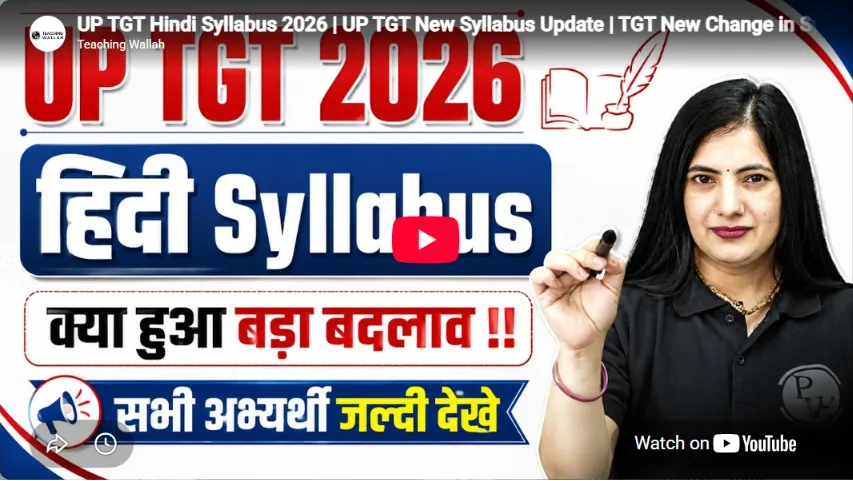
The UP TGT Hindi Syllabus 2026 prescribed by the Uttar Pradesh Education Service Selection Commission (UPESSC) outlines the topics candidates must prepare for the Trained Graduate Teacher (TGT) Hindi examination. The syllabus focuses on Hindi literature, grammar, prose, poetry, language development, and Sanskrit literature.
It evaluates a candidate's understanding of literary history, linguistic concepts, grammar rules, and teaching-related subject knowledge. A thorough understanding of the syllabus helps aspirants prioritize important topics, create an effective study plan, and improve their performance in the recruitment examination. Referring to the official syllabus ensures that no important area is left uncovered during preparation.
UP TGT Hindi Syllabus PDF
Candidates should always prepare according to the latest official syllabus issued by UPESSC.
The official PDF provides the complete list of prescribed topics and should be referred to while planning the study schedule. Using the official syllabus helps ensure comprehensive preparation and prevents missing important topics.
The UP TGT Hindi Syllabus 2026 provides a comprehensive framework covering Hindi literature, grammar, prose, poetry, Sanskrit literature, and translation.
Candidates who study every section systematically, revise grammar regularly, and practice previous year questions can strengthen their conceptual understanding and improve their chances of success. Following the official syllabus throughout preparation ensures complete topic coverage and a more focused approach to the UP TGT Hindi examination.
UP TGT Hindi Syllabus 2026: Topic-wise
The UP TGT Hindi syllabus is designed to assess candidates' knowledge of Hindi language, literature, grammar, and Sanskrit basics.
It includes the history of Hindi literature, development of prose, major authors, literary forms, grammar, and translation. Candidates should prepare every section thoroughly, as questions can be asked from any topic mentioned in the official syllabus.
History of Hindi Literature
This section examines the evolution of Hindi literature across different literary periods. Candidates should study the characteristics and major contributors of each era.
The important topics include:
-
Adikal
-
Bhaktikal
-
Sant Kavya
-
Sufi Kavya
-
Ram Kavya
-
Krishna Kavya
-
Ritikal
-
Adhunik Kal
-
Bharatendu Yug
-
Dwivedi Yug
-
Chhayavad
-
Pragativad
-
Prayogvad
-
Nai Kavita
Understanding the literary movements, their features, and important writers is essential for scoring well in this section.
Development of Hindi Prose Literature
Candidates should study the growth of Hindi prose and its major literary forms.
The syllabus covers:
-
Essay (Nibandh)
-
Drama (Natak)
-
Novel (Upanyas)
-
Short Story (Kahani)
-
Biography
-
Autobiography
-
Memoirs
-
Sketch Writing (Rekhachitra)
-
Travel Literature
-
Prose Poetry
-
Satire (Vyangya)
Questions may also be asked about the characteristics and development of these literary genres.
Hindi Authors and Their Works
This section focuses on eminent Hindi writers and their literary contributions.
Candidates should prepare:
-
Major Hindi poets
-
Renowned novelists
-
Story writers
-
Essayists
-
Playwrights
-
Important literary works
Knowing the famous works of leading Hindi authors is important for objective-type questions in the examination.
Poetry and Literary Devices
The syllabus includes various elements of Hindi poetry and poetics.
Important topics are:
-
Components of Rasa
-
Types of Rasa
-
Chhand (Metres)
-
Alankar
-
Shabdalankar
-
Arthalankar
-
Poetic merits (Kavya Gun)
-
Poetic defects (Kavya Dosh)
Candidates should understand definitions, classifications, and examples of literary devices used in Hindi poetry.
Hindi Language and Grammar
Grammar forms one of the most scoring sections in the examination.
Topics prescribed include:
-
Hindi dialects
-
Languages
-
Vocabulary
-
Hindi phonetics
-
Devanagari script
-
Standardisation of Hindi
-
Development of Hindi language
-
Common language errors
-
Gender
-
Number
-
Karak
-
Sandhi
-
Samas
-
Spelling
-
Sentence correction
-
Synonyms
-
Antonyms
-
One-word substitution
-
Homophones
-
Idioms
-
Proverbs
Regular grammar practice helps improve both speed and accuracy during the examination.
Sanskrit Literature
The syllabus also contains a basic section on Sanskrit literature.
Candidates should study the works of important Sanskrit scholars, including:
-
Bhasha
-
Kalidasa
-
Bhavabhuti
-
Bharavi
-
Magha
-
Dandi
-
Shriharsha
Knowledge of their major literary contributions is expected in the examination.
Sanskrit Grammar and Translation
Apart from literature, candidates should also prepare elementary Sanskrit grammar.
The important topics include:
-
Sandhi
-
Swar and Vyanjan Sandhi
-
Samas
-
Shabd Roop
-
Dhatu Roop
-
Karak Prayog
-
Translation (Anuvad)
Candidates should practice grammatical rules along with translation exercises for better preparation.
Preparation Tips for UP TGT Hindi
A structured preparation strategy can significantly improve performance in the examination.
-
Read the complete official syllabus before starting preparation.
-
Focus on Hindi literary history and important literary movements.
-
Revise grammar topics daily through practice questions.
-
Prepare notes on famous authors and their works.
-
Practice objective questions from previous years.
-
Strengthen Sanskrit grammar and translation basics.
-
Revise idioms, proverbs, synonyms, and antonyms regularly.
-
Attempt mock tests to improve speed and accuracy.
UP TGT Hindi Syllabus FAQs
What are the primary components of the UP TGT Hindi syllabus?
Does the UP TGT Hindi Syllabus include Hindi grammar?
Is Sanskrit included in the UP TGT Hindi Syllabus?


Have questions about your prep?
Our experts can answer all your questions
 Online Classes for All Teaching Exams.Learn from PW's Educators through Live Lectures.Live & Recorded Classes are available at ease.Lectures are available in Hinglish (Hindi and English mix).Get access to Study Materials, Notes & Mock Tests.

