






Lakshay Aggarwal's UPSC Journey: From Government School in Shahdara to AIR 164 (IPS) with PW
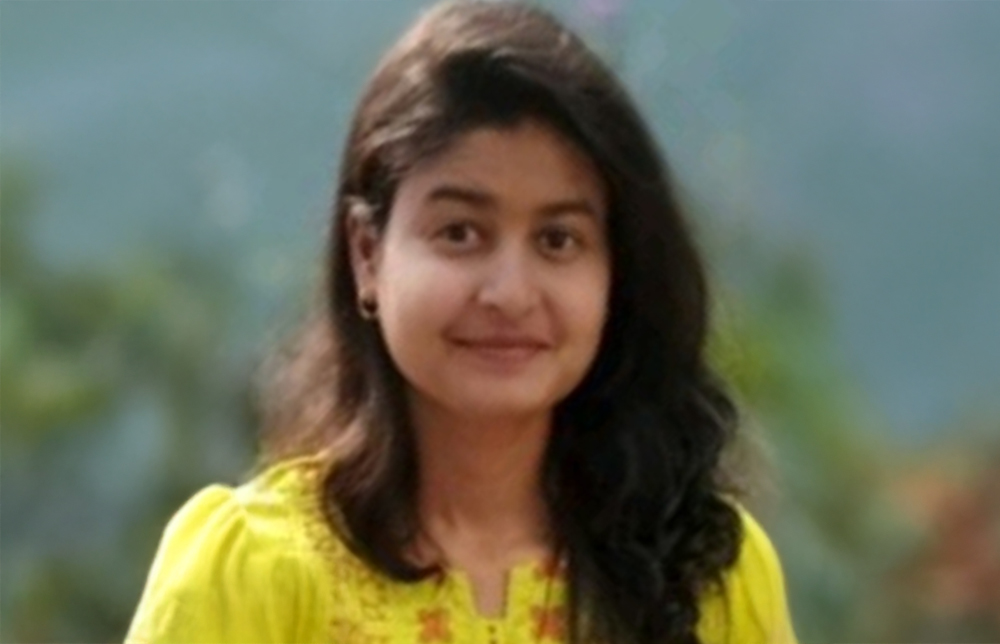
Clearing UPSC needs more than hard work. It needs a clear purpose, the right guidance and a willingness to act on feedback. Lakshay Aggarwal began preparing in January 2024 and landed on the Reserve List in his first attempt. In his second attempt, in 2025, he secured AIR 164 and joined the IPS.
His story is about more than a rank. He came from a family that depended on government schemes, and he turned that background into his reason for choosing civil services. Along the way, PW's Mains resources and mentorship, along with regular exam-style practice, helped him convert the Reserve List into a top-200 rank.
How Lakshay Aggarwal's UPSC Journey Began
Lakshay grew up in Shahdara, Delhi, in a family where education always came first. His parents had studied only up to the 8th and 10th standard, but they made sure he and his sister received a good education. He completed his entire schooling in government schools.
"So I belong to a very humble background like my parents have just studied till 8th and 10th standard but they very much put focus on our education me and my sister and I've done all my schooling from government schools."
His family had also relied on government schemes for food, healthcare and education. This gave him a deep sense of gratitude towards the system and shaped how he saw the state, even when others were cynical about it.
"I feel that whatever I am today is because this welfare state exists"
This belief became the foundation of his UPSC goal. He wanted to give back to the society that had supported his family, and the job security and variety of the services made the goal more practical.
How Lakshay Balanced UPSC with a Safety Net
Once the goal was clear, the next question was how to pursue it. UPSC is a risky exam, and his family's financial situation meant he could not ignore stability. He first completed Chartered Accountancy, keeping UPSC in the back of his mind.
"Of course the primary focus was always on the education. You know education is your passport out of poverty."
The Chartered Accountancy decision was also linked to his parents' worries. They had always wanted him to have a secure life, and he wanted to assure them that he could stand on his own feet.
"I wanted the backup not for myself but to assert my parents that I will be able to provide for myself because that was their core concern since I was a child."
With this safety net in place, he could attempt UPSC without the fear of having nothing to fall back on. He began his preparation in January 2024, starting with Prelims and then building his Mains strategy.
How PW Gave Lakshay Structure for Mains
After Prelims, he needed a clear plan for Mains. He joined the PW Mains program, which he describes as the backbone of his preparation. Its booklets gave him clarity on what to study and a sense of completion.
"The booklets gave me the crisp idea of what all should be prepared. I think the booklets are so structured based on the syllabus and based on the keywords based on the PYQs as well, right and valuable content of course that's top-notch."
Alongside the booklets, he practised answer writing regularly through daily questions on the portal. He also took feedback from his mentor, which helped him see what was going wrong in his answers and how to fix it.
"He was a phenomenal value addition to the entire prep. The way he gave his feedback and I think that was the core differentiator between 24 and 25, which I think made me go from the reserve list to, I think top 200."
Together, the booklets, daily writing and mentor feedback made his preparation more consistent. This is what set his second attempt apart from his first.
How Lakshay Moved from the Reserve List to AIR 164
After reaching the Reserve List in 2024, Lakshay changed how he practised. He did not simply sit with mock tests. He recreated the real exam conditions for each stage.
"I will take the OMR I will fill the bubbles. I will sit for 2 hours straight on the desk and then I will solve it."
He followed the same approach for Mains and the interview, and he welcomed feedback even when it was uncomfortable. This feedback loop helped him improve at every stage. In 2025, his effort paid off with AIR 164 and a place in the IPS.
His achievement also meant a lot to his family. His father, a blue-collar worker who had never met an IAS or IPS officer, only understood the significance of the rank after people around him explained it.
"So the shop owner told him what IPS actually means. So that was like life coming full circle and yeah been really good"
Lakshay's journey shows that a humble background does not have to limit what an aspirant can achieve. He began with a clear reason for choosing civil services, kept a safety net so that he could attempt UPSC without pressure, and improved between attempts by practising in exam-like conditions and acting on feedback. His experience also suggests that structured material, regular answer writing and honest mentor feedback can work better together than any one of them alone. For aspirants who have narrowly missed a final list, the lesson is to look closely at what needs to change, test the strategy through practice, and keep going with a clear purpose.






 Live & recorded classes available at easeDashboard for progress trackingMillions of practice questions at your fingertips

