International Day for Disaster Risk Reduction 2023 History, Theme And Significance
 Praveen Kushwah13 Oct, 2023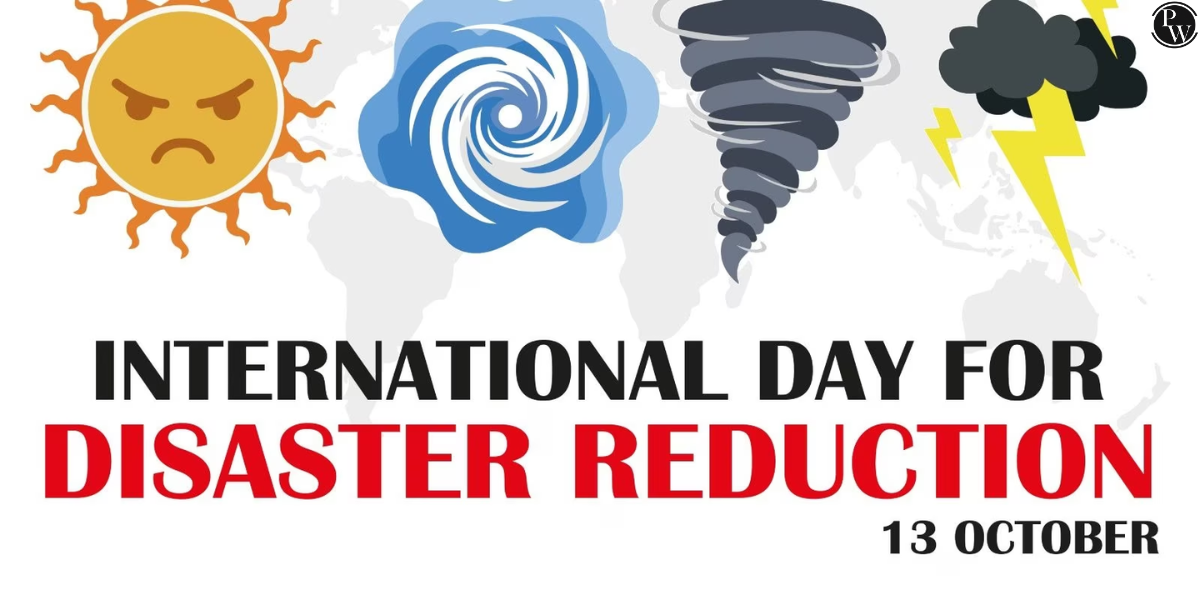
International Day for Disaster Risk Reduction
International Day for Disaster Risk Reduction: Every year on October 13, we celebrate the International Day for Disaster Risk Reduction. On this day, we recognize and cheer for people and communities worldwide who are working to make themselves safer from disasters. The main goal is to teach communities about the dangers of disasters and get them ready to handle both natural and human-made disasters.
The United Nations started this day to encourage a culture where we are aware of disasters and try to reduce their impact. Around the world, on this day, there are different activities like events, seminars, workshops, and conferences. These activities help to show why it's important to be prepared for disasters and what we can do to make their impact on us less severe. This article will tell you more about why this day is important and its history.
International Day for Disaster Risk Reduction 2023
This year's International Day for Disaster Risk Reduction talks about the link between disasters and inequality. Disasters and inequality go hand in hand. They both make each other worse: not having fair access to services makes the most vulnerable people more at risk of disasters. At the same time, when disasters happen, they make inequalities worse and push the most at risk even more into poverty.
Many countries that are most likely to have disasters are also the ones where a lot of people live in poverty. The United Nations Office for Disaster Risk Reduction (UNDRR) is telling people to do something about it. They want us to stop this cycle of disasters and growing inequality.
The UN agency is telling everyone about how unfair disasters can be. They're asking for efforts to fight inequality for a future where we can handle disasters better. That's the main idea for the 2023 observance.
This theme matches with the Sendai Framework, which is an international agreement to prevent and reduce losses from disasters in lives, jobs, economies, and basic infrastructure. This agreement has seven big goals and 38 ways to measure progress. It also works with the Paris Agreement on climate change, and both of these plans are linked to achieve the Sustainable Development Goals.
This event comes right after the Midterm Review of the Sendai Framework for Disaster Risk Reduction 2015-2030. In May 2023, during this review, the UN General Assembly made a statement to speed up efforts to make communities stronger and better able to handle disasters.
Sendai Framework for Disaster Risk Reduction
The Sendai Framework for Disaster Risk Reduction is the next plan after the Hyogo Framework. It got the green light at the 3rd World Conference on Disaster Risk Reduction in 2015, held in Sendai, Japan. This framework lays out seven specific goals and four main areas for action to stop new disasters and lessen the impact of existing ones:
1. Understand disaster risk, 2. Make disaster risk governance stronger to handle disaster risk, 3. Invest in reducing disasters to make communities stronger, 4. Improve disaster preparedness for a quick and effective response, and to "Build Back Better" during recovery, rehabilitation, and reconstruction.
The goal is to significantly reduce the harm caused by disasters to people's lives, jobs, health, and the things they own, like homes and the environment.
The framework says that countries are mainly responsible for making disasters less likely, but they should work together with local governments, businesses, and other groups.
This plan is like a team player with other plans for 2030, such as The Paris Agreement on Climate Change, The Addis Ababa Action Agenda on Financing for Development, the New Urban Agenda, and the Sustainable Development Goals.
Disaster Risk Reduction About
Things like climate change, cities getting crowded, and not being ready for disasters are making natural events like earthquakes or tsunamis really bad, causing harm to people and money. The chances of disasters from natural events are going up. Disaster Risk Reduction (DRR) is all about figuring out and doing things to make these risks smaller. It's like a plan to understand and lessen the reasons disasters happen.
The Sendai Framework for Disaster Risk Reduction 2015-2030 is like a guide for this plan. But it's not the only plan. There are other big plans like the Sustainable Development Goals, the Paris Climate Agreement, the New Urban Agenda, and the Biodiversity Agenda. They have goals that can't be achieved unless we also think about making disasters less likely. All these plans are connected and work together to keep us safer.
International Day for Disaster Risk Reduction History
In 1989, the United Nations decided to have a special day to talk about preventing disasters. They called it the International Day for Disaster Risk Reduction. We celebrate it every October 13. On this day, we cheer for people and communities all around the world who are working to keep safe from disasters. We also talk about how important it is to be careful.
In 2015, at a big meeting in Japan, the UN reminded everyone that disasters affect local communities the most. This can lead to people losing their lives and big problems in how society works. Every year, sudden disasters make millions of people leave their homes. These disasters, often made worse by climate change, also mess up plans for making the world better.
Fixing things starts at the local level. That's where we urgently need to make things stronger. The Sendai Framework for Disaster Risk Reduction is like a guide that focuses on people and taking action. It helps us deal with the risks from both small and big disasters—whether they're caused by humans, like accidents, or by nature, like earthquakes. It also covers other dangers like problems with the environment, technology, and biology.
International Day for Disaster Risk Reduction 2023 Theme
The theme for the 2023 International Day for Disaster Risk Reduction is Fighting inequality for a resilient future.
Poverty, unfair treatment, and treating people differently are both the reasons and results of more disasters happening. Unfairness makes it so that some people are more likely to be in danger during disasters. Disasters mostly affect the poorest and those most at risk, making the unfairness even worse. To make things better, we need to deal with these problems.
By the year 2030, if we look at the current climate predictions, there might be around 560 disasters every year in the world. Because of climate change and disasters, approximately 37.6 million more people might be living in very tough conditions by 2030. If the situation gets even worse, it could push another 100.7 million people into poverty by 2030.
But we can do something about it. We can make disasters less harmful by planning carefully and working together to reduce how much people are exposed to danger. To make this happen, we need to spend more money on collecting and using detailed information about disasters. This way, we can understand better who is affected the most and plan ways to make communities stronger.
International Day for Disaster Risk Reduction Significance
The celebration of this day is very important because it has several key goals:- The International Day for Disaster Risk Reduction focuses on making people aware of both natural and human-made disasters. It highlights the importance of taking steps to prevent these disasters from happening.
- The main aim is to teach people about the risks of disasters and encourage them to take actions to reduce these risks. Knowing about potential disasters is crucial for being prepared.
- On this day, governments, organizations, policymakers, and others are urged to take strong actions to create strong and resilient communities. This involves building structures that can withstand disasters, creating policies to help people affected by disasters, and providing training in disaster management.
Preventing Environmental Disasters
Disasters don't just happen randomly - they occur when certain dangers meet vulnerable conditions. These disasters can set back progress and make it hard for future generations to achieve development goals. Climate change is expected to make these disasters even worse globally. The Sendai Framework for Disaster Risk Reduction 2015-2030 is an important agreement that gives countries clear steps to protect their progress from the risk of disasters.
In the past ten years, people have started paying more attention to how natural systems, like ecosystems, can help reduce the risk of disasters. Taking care of ecosystems is now seen as an important way to lower the chances of disasters happening, and this idea is a key part of the Sendai Framework for Disaster Risk Reduction.
Ecosystem-Based Disaster Risk Reduction
Ecosystem-Based Disaster Risk Reduction means that we need to take good care of nature because messing with things like forests or wetlands can make disasters more likely. For example, cutting down too many trees can cause landslides, and filling in wetlands can make flooding worse, causing disasters for communities.
In the past ten years, disasters linked to natural dangers have hurt a lot of people, their jobs, things they own, and how their countries run. To stop this from happening so much, we need to manage nature better. Using Nature-based Solutions (NbS) helps us do this. It means taking care of nature in a way that not only stops disasters but also gives us other good things from nature. This helps people live better and become stronger against disasters and climate change.
| Also Read | |
| Bank Holidays 2023 | Uttar Pradesh Bank Holidays 2023 |
What is the theme of the Disaster Risk Reduction Day 2023?
What is the hashtag for International Day of Disaster Risk Reduction?
Which date of the year is observed as International Day for Disaster Reduction?
What are the four themes of disaster?
Why do we celebrate International Day for Disaster Reduction?




 Live & recorded classes available at easeDashboard for progress trackingMillions of practice questions at your fingertips