






Farming Fundamentals: A Class 8 Guide to Crop Production and Maintenance
 Yashasvi Tyagi19 Aug, 2023
Share
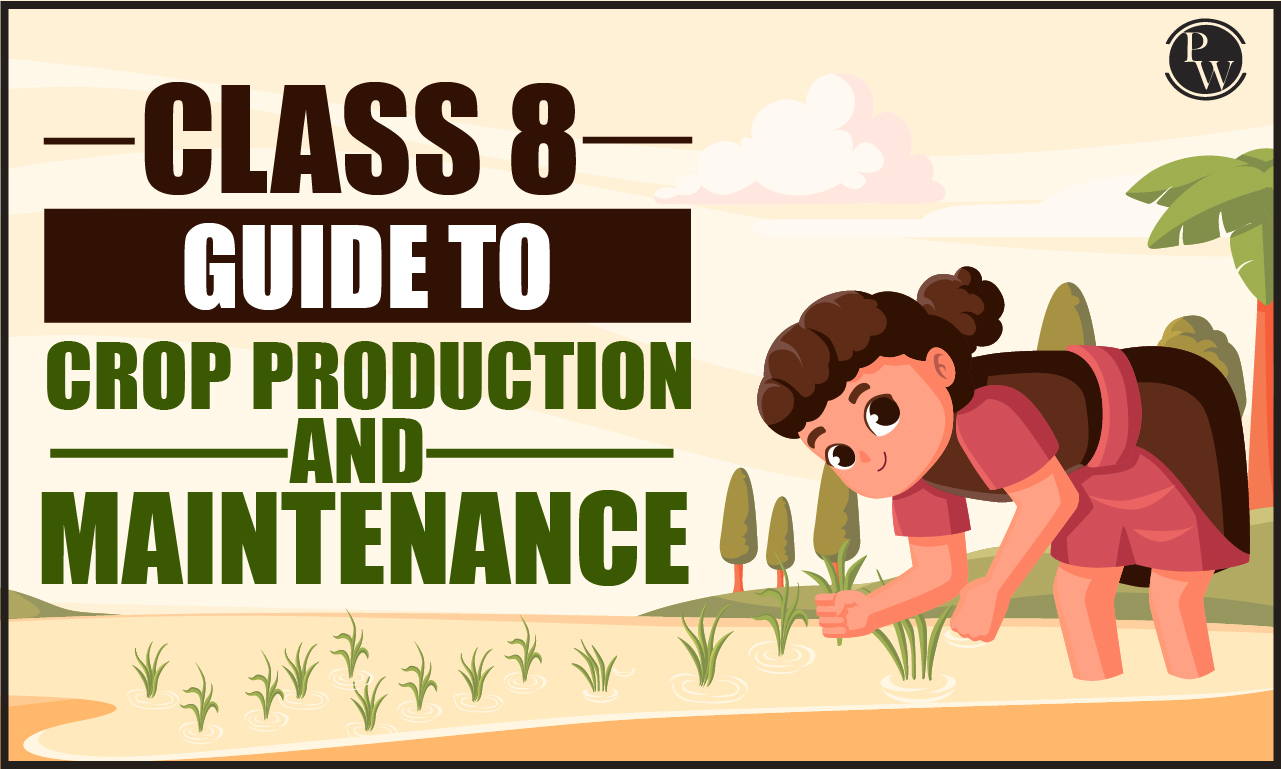
Imagine a world without delicious fruits, fresh vegetables, or the grains used to make bread. Our food comes from crops, and learning how to grow and take care of them is essential. Hence, our guide on Crop Production and Maintenance is specially designed for Class 8 students like you, to help you understand the basics of farming and crop production.
1. Soil and Land Preparation
Soil is like the secret sauce for successful crop growth. Think of it as a nurturing bed that supports plants and provides them with essential nutrients and water. It's incredibly diverse, with various types, each with its own unique characteristics. Understanding soil and preparing the land properly are crucial steps in the farming process.The Significance of Soil Health
A thriving harvest begins with healthy soil. This essential element is brimming with life, hosting a diverse community of microorganisms like bacteria, fungi, and earthworms. Together, they form an eco-system that breaks down organic matter, facilitating the release of vital nutrients for plant growth. Healthy soil also has good structure, allowing water to penetrate and roots to spread comfortably.Soil Types and Their Characteristics
Soil comes in different types, each with its own properties that affect how well crops can grow. Here are the main soil types:- Sandy Soil: This soil feels gritty and is well-draining. However, it doesn't hold onto water or nutrients very well, which means more frequent watering and fertilizing may be necessary.
- Clayey Soil: This soil feels sticky when wet and hard when dry. It retains water and nutrients better than sandy soil but can become compacted, making it harder for roots to grow.
- Loamy Soil: Often considered the ideal type, loamy soil has a balanced texture, being a mix of sand, silt, and clay. It retains moisture and nutrients, providing a comfortable environment for most plants.
Land Preparation Techniques
Imagine trying to plant seeds in a rock-strewn, weedy field – it's not a recipe for success. Land preparation is like setting the stage for a successful play. Here are some essential techniques:- Ploughing: This is like giving the soil a deep massage. It turns over the top layer, mixing in organic matter and improving aeration.
- Tilling: Tilling breaks up the soil into smaller clumps, creating a finer texture. It's like fluffing your pillow before going to sleep.
- Levelling: If your land has uneven spots, levelling helps distribute water evenly. Think of it as making sure everyone gets a fair share of the cake.
- Adding Organic Matter : Organic matter, like compost or well-rotted manure, is like a superfood for the soil. It improves fertility, structure, and water retention.
2. Choosing Seeds and Planting
Selecting the Right Seeds
Imagine walking into a candy store with hundreds of different sweets. Just as each candy offers a distinct flavour, every seed holds the potential to grow into a specific plant. Selecting the appropriate seeds for your desired crop is essential. The process involves considering various factors about the plant, including its growth habits, disease resistance, and ideal climate conditions. For instance, if you're aiming to grow plump tomatoes, you'll need tomato seeds rather than pumpkin seeds.Importance of Seed Quality
Seeds are like tiny time capsules, carrying the genetic information that determines a plant's traits. High-quality seeds have a better chance of producing healthy and productive crops. When selecting seeds, check for reputable seed suppliers or nurseries. Look for seeds that are fresh, disease-free, and labelled with the plant's variety. Older or low-quality seeds might not germinate well, leading to disappointing results.Planting Techniques
Now that you have obtained the ideal seed, it is time to initiate the planting process. The techniques for planting vary depending on the specific crop, local climate conditions, and available space. You can choose to either sow the seeds directly into the soil or begin by cultivating them indoors in pots or seed trays. Some crops, like beans or sunflowers, can be planted directly where they'll grow, while others, like delicate tomato seedlings, might benefit from a head start indoors. Once the seeds are planted, follow spacing guidelines, ensuring each seed has enough room to grow without competing with its neighbours.Planting Depth
Different seeds have different preferences when it comes to planting depth. Some seeds, like lettuce, are better suited for shallow planting. On the other hand, crops such as corn require a deeper burial. As a general rule, it's recommended to plant seeds at a depth that is approximately two to three times their diameter. This provides the right balance between protecting the seed and allowing it to access enough moisture and sunlight to sprout.3. Watering and Irrigation
Water, just like food and water for us, is the lifeblood of plants. Ensuring the right amount of water is provided to our crops is vital for their thriving. Insufficient water can cause withering, while excessive amounts may lead to drowning. Proper watering and irrigation techniques help us strike that perfect balance, ensuring our plants grow strong and healthy.Importance of Water for Plants
Imagine going without a drink for days. You would feel weary, weak, and your body functions wouldn't operate properly. Similarly, plants rely on water for their growth, absorbing nutrients from the soil, generating food through photosynthesis, and sustaining overall health. Insufficient water affects our crops' potential, leading to lower yields.Methods of Watering and Irrigation
There are several ways to water our plants, each with its benefits and considerations:- Hand Watering: This is the most straightforward method, where you use a watering can or hose to water plants directly at their base. It's great for small gardens or potted plants. Remember to water gently to avoid damaging the plants.
- Sprinkler Systems: Sprinklers are like rain showers for your garden. They distribute water over a wide area, making them suitable for larger gardens. However, be mindful of the time of day you use them, as watering during the hot sun can lead to water wastage due to evaporation.
The Importance of Timing in Watering
Just like you wouldn't exercise under the scorching midday sun, plants prefer to be watered when it's cooler. The optimal times for watering are early mornings and late afternoons. This allows the plants to absorb the water before the heat of the day intensifies. It's important to avoid watering in the evening as this can create a damp environment that promotes disease growth.
4. Nutrients and Fertilisation
Picture nutrients as the special ingredients that plants need for growth, just like you need balanced meals for good health. These nutrients come from the soil, and each plays a unique role in helping plants stay healthy and strong. Let's dive into the essential nutrients that plants require: Macronutrients: These are the nutrients that plants need in large quantities. They include:- Nitrogen (N): Vital for leafy growth and vibrant green colour. It's like the protein that helps you grow and stay energetic.
- Phosphorus (P): Essential for strong roots, flowering, and fruiting. Think of it as the element that builds your bones and teeth.
- Potassium (K): Important for overall plant health, disease resistance, and the development of fruits and seeds. This one is like the vitamins that keep you in tip-top shape.
- Iron (Fe): Necessary for the production of chlorophyll, which is like the plant's superhero suit, allowing it to harness the power of the sun.
- Zinc (Zn): A key player in enzyme activities, which are like the tiny workers in your body that make things function properly.
- Magnesium (Mg): Essential for photosynthesis, the process plants use to make food, much like how you need meals to keep going.
Fertilisers
Now that we know about these essential nutrients, it's time to talk about fertilisers. Fertilisers are like special food for plants. They provide the extra nutrients that the soil might be lacking, ensuring that plants get a balanced diet. Just as you need a balanced diet for overall well-being, plants require the right balance of nutrients for optimal growth. However, it's crucial to use fertilisers wisely. Applying too much can harm the environment, polluting water bodies and affecting other living organisms. This is where responsible farming comes into play. Farmers use their knowledge to determine the right type and amount of fertiliser based on the specific needs of their crops and the condition of the soil.Sustainable Farming Practices
Modern farming focuses on sustainable practices that benefit both crops and the environment. For example:- Organic farming: In organic farming, natural sources of nutrients such as compost and manure are utilised to enhance soil fertility, eliminating the need for synthetic chemicals.
- Cover cropping: Cover cropping involves planting specific crops that serve as soil cover during periods when the main crop is not actively growing. This practice effectively prevents soil erosion and contributes essential nutrients to the soil when these cover crops are eventually incorporated back into it.
- Crop rotation: Crop rotation is the practice of changing the type of crop cultivated in a specific field each season. Its primary goal is to enhance soil health and mitigate the risk of pests and diseases
5. Pest and Weed Management
Picture this: you've carefully planted your crops, nurtured them, and watched them grow. Suddenly, pests threaten to feast on your hard work. It's like trying to enjoy a picnic while swatting away pesky flies. But fear not! We have a strategy to protect your crops, keep those pests at bay, and ensure a bountiful harvest.- Common pests and diseases: The first step in pest management is knowing the pests. Not all insects are bad for your crops; some are beneficial, like ladybugs that eat harmful aphids. Learn to recognize common pests in your area, such as aphids, caterpillars, and beetles, so you can differentiate them from the good guys.
- Importance of weed control: Just as a healthy body can resist illnesses better, healthy plants are more resilient against pests. Ensure your crops get the right nutrients and water. Proper spacing between plants and good air circulation can also reduce the likelihood of pest infestations.
- Monitor and Act: Regularly check your crops for signs of trouble. Sometimes, it's just a few pests that won't cause much harm. But if you spot an infestation or see that your plants are struggling, it's time to take action. This might involve using organic pesticides, introducing beneficial insects, or adjusting your planting schedule
6. Crop Maintenance
Proper crop maintenance is like being a caretaker for your plants. Just like you need to take care of your pets, plants need attention too. There are several essential aspects to consider when maintaining your crops to ensure they grow strong and healthy:Pruning and Training
Think of pruning as giving your plants a haircut. It involves carefully removing dead or diseased branches, leaves, or flowers. Pruning helps the plant focus its energy on producing new growth. Some plants, like grapes, need specific pruning to shape them and improve fruit production. Proper training, like using stakes for tall plants, ensures they grow upright and avoid bending or breaking under the weight of their fruits.Dealing with Plant Stress
Plants can get stressed too! Environmental factors like extreme weather, lack of water, or poor soil conditions can stress them out. Learn to recognize the signs of stress, such as wilting or yellowing leaves. In stressful times, providing extra care, like giving them a little more water or shading them from the scorching sun, can make a big difference in their overall health.7. Harvesting
This is when we reap the rewards of our hard work in the fields. Harvesting is like picking the fruits of our labour, quite literally! Here's how it works:- Knowing When to Harvest: Each crop has its own signs that tell us when it's ready for picking. For example, ripe fruits have vibrant colours, like a tomato turning red. Some crops are ready when they feel firm to the touch or when they reach a specific size. It's essential to observe these cues to ensure we get the best quality produce.
- Proper Harvesting Techniques: We need to handle our crops with care to avoid damaging them. Using sharp, clean tools is important. For some crops, like grapes or berries, we might use scissors or shears. Others, like root vegetables, need gentle digging or pulling. The goal is to remove the crop from the plant without causing harm.
- Handling and Storage: After harvesting, it's crucial to handle the crops gently. Rough handling can bruise or crush them, reducing their quality. We also need to sort the produce, removing any damaged or spoiled items. Once sorted, we can store the crops in cool, dry places. Some crops, like apples or potatoes, need specific storage conditions to stay fresh longer.
Watch Full Video on Crop Production and Maintenance
Summing Up
And with that, we finish this article on crop production and maintenance . As you've seen, farming isn't just about putting seeds in the ground and waiting for something to happen. It's a thorough process of understanding nature, working with the environment, and caring for the living things that sustain us. You've learned about the importance of crops, how to choose the right seeds, and the art of nurturing plants to a bountiful harvest. Your knowledge about soil, water, nutrients, pests, and maintenance makes you a valuable steward of this planet. We know that learning science can be difficult. But, don’t worry! Enroll in Fundo Class 8 Online Course today and make learning more fun than ever before!| Related Links | |
|---|---|
| NCERT Solutions for Class 8 | Class 8 CBSE Syllabus |
| Science Formulas | CBSE Class 8 Biology Notes |
Crop Production and Maintenance FAQs
Q1. What is the most important part of crop production? Ans. The most important part of crop production is choosing the right crop for the soil and climate. This will ensure that the crop has the best chance of growing successfully and producing a high yield. Q2. What are the three types of crops? Ans. The three types of crops in India are Rabi crops(Grown in winter), Kharif crops (Grown in summer), and Zaid crops (grown in the hot season.) Q3. Which is the main crop of India? Ans. The main crop of India is rice. It is the staple food for over 60% of the Indian population. Rice is grown in all states of India, but the major rice-producing states are West Bengal, Uttar Pradesh, Punjab, Andhra Pradesh, and Bihar.What is the most important part of crop production?
The most important part of crop production is choosing the right crop for the soil and climate. This will ensure that the crop has the best chance of growing successfully and producing a high yield.
What are the three types of crops?
The three types of crops in India are Rabi crops(Grown in winter), Kharif crops (Grown in summer), and Zaid crops (grown in the hot season.)
Which is the main crop of India?
The main crop of India is rice. It is the staple food for over 60% of the Indian population. Rice is grown in all states of India, but the major rice-producing states are West Bengal, Uttar Pradesh, Punjab, Andhra Pradesh, and Bihar.


Talk to a counsellorHave doubts? Our support team will be happy to assist you!


Check out these Related Articles








Join 15 Million students on the app today!
 Live & recorded classes available at easeDashboard for progress trackingMillions of practice questions at your fingertips


Free Learning Resources
PW Books
Notes (Class 10-12)
PW Study Materials
Notes (Class 6-9)
Ncert Solutions
Govt Exams
Our Other Websites
Class 6th to 12th Online Courses
Govt Job Exams Courses
UPSC Coaching
Defence Exam Coaching
Gate Exam Coaching
Other Exams
Know about Physics Wallah
Physics Wallah is an Indian edtech platform that provides accessible & comprehensive learning experiences to students from Class 6th to postgraduate level. We also provide extensive NCERT solutions, sample paper, NEET, JEE Mains, BITSAT previous year papers & more such resources to students. Physics Wallah also caters to over 3.5 million registered students and over 78 lakh+ Youtube subscribers with 4.8 rating on its app.
We Stand Out because
We provide students with intensive courses with India’s qualified & experienced faculties & mentors. PW strives to make the learning experience comprehensive and accessible for students of all sections of society. We believe in empowering every single student who couldn't dream of a good career in engineering and medical field earlier.
Our Key Focus Areas
Physics Wallah's main focus is to make the learning experience as economical as possible for all students. With our affordable courses like Lakshya, Udaan and Arjuna and many others, we have been able to provide a platform for lakhs of aspirants. From providing Chemistry, Maths, Physics formula to giving e-books of eminent authors like RD Sharma, RS Aggarwal and Lakhmir Singh, PW focuses on every single student's need for preparation.
What Makes Us Different
Physics Wallah strives to develop a comprehensive pedagogical structure for students, where they get a state-of-the-art learning experience with study material and resources. Apart from catering students preparing for JEE Mains and NEET, PW also provides study material for each state board like Uttar Pradesh, Bihar, and others
Copyright © 2026 Physicswallah Limited All rights reserved.