






Mind Games for Kids: Top 10 Fun Activities for Learning and Growth
Mind games for kids are fun activities that improve thinking, memory, and problem-solving skills while keeping them entertained and engaged. Know the top 10 mind games for kids here.
 Chandni 30 Oct, 2024
Mind games for kids are more than just play—they are tools that sharpen thinking skills, improve memory, and teach problem-solving. These games stimulate different parts of the brain, helping children develop cognitive and social skills while having fun. In this blog, we explore what mind games are, their importance, and the top games kids can play to boost their mental abilities.
What Are Mind Games for Kids?
Mind games engage children’s brains through puzzles, memory challenges, strategy activities, and brainteasers. They help develop key skills, including:- Attention : Improve focus and concentration.
- Memory : Enhance the ability to recall patterns and information.
- Logic and Reasoning : Build problem-solving and critical thinking skills.
- Social Skills : Encourage communication and teamwork through group play.
Why Mind Games Are Essential for Children’s Development
Let’s explore the many ways mind games benefit children:- Enhance Memory and Cognitive Skills : Mind games like matching cards, puzzles, and pattern recognition tasks strengthen children’s memory. They help kids improve their ability to retain and recall information, which supports learning and academic success.
- Develop Focus and Attention : Games that require concentration, such as “Spot the Difference” or board games like chess, train children to focus for longer periods, improving their ability to complete tasks efficiently.
- Foster Patience and Resilience : Mind games often involve trial and error, teaching children the value of persistence. Overcoming challenges in puzzles or strategy games helps them build resilience.
- Improve Social Skills and Teamwork : Group mind games encourage collaboration and communication. Games like Monopoly or Charades teach children how to share, take turns, and work together toward common goals.
- Boost Emotional Regulation : Mind games help kids learn to handle both success and failure gracefully. Winning boosts confidence, while losing helps them develop emotional control and the ability to cope with disappointment.
When Should Children Play Mind Games?
Mind games can be introduced as early as preschool. Incorporating these games into daily routines is key to long-term development. Here’s how mind games fit different age groups:- Ages 2-4 : Simple memory and matching games.
- Ages 5-7 : Jigsaw puzzles, word association, and board games like Ludo.
- Ages 8+ : Strategy games such as chess, logic puzzles, and Rubik’s cube.
Top 10 Mind Games for Kids
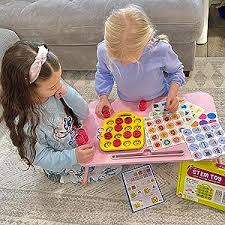
Here is the list of the top 10 memory games for kids that allow them to have fun while improving their cognitive abilities, memory, focus, and problem-solving skills:1. Memory Matching Game
How It Works : Players flip cards to find matching pairs. If they match, they keep the cards and get another turn; if not, the next player goes. Skills Developed :- Memory : Improves recall.
- Pattern Recognition : Identifies similarities.
- Focus : Strengthens concentration.
2. What’s Missing?
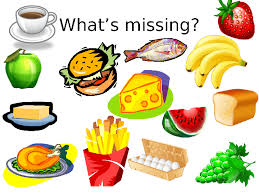
How It Works : Lay several objects on a tray and let kids observe them. Cover the tray, remove one item, and challenge the kids to guess what’s missing. Skills Developed :- Observation : Sharpens attention to detail.
- Attention : Builds focus on small changes.
- Visual Memory : Strengthens the ability to recall what was seen.
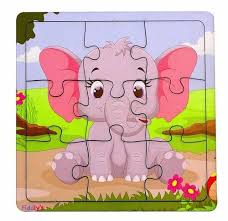
3. Jigsaw Puzzles
How It Works : Children fit puzzle pieces together to complete a picture. Skills Developed :- Problem-Solving : Encourages logical thinking to find the right pieces.
- Spatial Awareness : Improves understanding of shapes and how they fit.
- Patience : Teaches children to persevere through challenges.
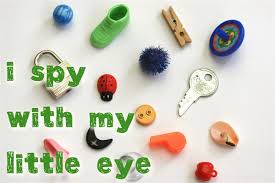
4. I Spy and Word Games
How It Works : In “I Spy,” one player gives a clue about something they see (like "I spy something red"), and others try to guess what it is. Skills Developed :- Vocabulary : Kids learn new words.
- Observation : They practice noticing details.
- Creativity : Coming up with fun clues makes them think creatively.
5. Brain Teasers and Riddles
How It Works : Ask kids fun, tricky questions that make them think creatively. For example: “What has a face but no eyes?” (Answer: A clock). Skills Developed :- Problem-Solving : Helps kids think through problems step-by-step.
- Logical Thinking : Teaches them to find smart solutions.
6. Rubik’s Cube and Logic Puzzles
How It Works : Kids twist and turn the Rubik’s Cube to make all sides the same color. Skills Developed :- Spatial Reasoning : This helps kids understand how objects fit and move in space.
- Patience : Teach them to stay focused and keep trying.
7. Name, Place, Animal, Thing (Memory Game)
How It Works : In this classic game, players take turns naming an item for each category—name, place, animal, or thing—all starting with the same letter. For example, if the letter is “B,” a player might say “Ben” (name), “Brazil” (place), “Bear” (animal), and “Ball” (thing). Skills Developed :- Memory : Encourages kids to recall information quickly.
- Creativity : Sparks imagination as they think of unique answers.
- Quick Thinking : Sharpens mental speed and flexibility.
8. Maze Games
H ow It Works : Kids navigate through a maze by tracing a path from start to finish using a pencil or pen. Some mazes challenge players to find their way into or out of the center. Skills Developed :- Problem-Solving : Teaches kids to analyze multiple routes and select the best one.
- Cognitive Skills : Improves thinking and reasoning by requiring kids to plan ahead.
9. Mirror Image Game
How It Works : Kids are shown an image along with several mirrored versions of it. They must pick the correct mirror image that matches the original. Skills Developed :- Visual-Spatial Skills : Helps kids understand how objects look when mirrored.
- Logical Thinking : Develops reasoning skills by comparing multiple images.
10. Touch the Color Game
How It Works : One person becomes the "Color Master" and names a color. Kids race to find an object of that color around the room. The first one to find it wins. Skills Developed :- Motor Skills : Encourages quick movement and coordination.
- Color Recognition : Helps children learn colors through play.
Tips for Incorporating Mind Games into Daily Life
Incorporating mind games into your child’s routine can make learning fun and effective. Here are some simple ways to integrate them into daily activities:- Family Game Night: Set aside one evening each week for family activities that encourage teamwork, patience, and problem-solving while strengthening family bonds.
- On-the-Go Activities: Make use of travel or waiting time by engaging kids in simple brain challenges that sharpen observation, quick thinking, and focus.
- Productive Screen Time: Limit screen time to 20-30 minutes daily for educational apps that improve memory, attention, and logic while keeping learning fun.
- School Integration: Teachers can add brain exercises to lessons to boost focus, creativity, and teamwork, making learning more engaging.
Mind Games for Kids FAQs
Do mind games improve academic performance?
Yes! Mind games enhance problem-solving skills, concentration, and logical thinking, which translate directly into better academic performance across subjects like math and reading.
Are digital mind games effective?
Yes, educational apps and online games are a great way to combine technology with learning. However, it's important to limit screen time to maintain a healthy balance.
Can mind games be played in groups?
Absolutely! Group games encourage teamwork, communication, and social interaction, helping kids build interpersonal skills while having fun.
How can parents make mind games more engaging?
Parents can rotate different games, incorporate themes their child loves, or make it a family activity. This keeps things fresh and exciting.




Talk to a counsellorHave doubts? Our support team will be happy to assist you!


Check out these Related Articles



Join 15 Million students on the app today!
 Live & recorded classes available at easeDashboard for progress trackingMillions of practice questions at your fingertips


Free Learning Resources
PW Books
Notes (Class 10-12)
PW Study Materials
Notes (Class 6-9)
Ncert Solutions
Govt Exams
Our Other Websites
Class 6th to 12th Online Courses
Govt Job Exams Courses
UPSC Coaching
Defence Exam Coaching
Gate Exam Coaching
Other Exams
Know about Physics Wallah
Physics Wallah is an Indian edtech platform that provides accessible & comprehensive learning experiences to students from Class 6th to postgraduate level. We also provide extensive NCERT solutions, sample paper, NEET, JEE Mains, BITSAT previous year papers & more such resources to students. Physics Wallah also caters to over 3.5 million registered students and over 78 lakh+ Youtube subscribers with 4.8 rating on its app.
We Stand Out because
We provide students with intensive courses with India’s qualified & experienced faculties & mentors. PW strives to make the learning experience comprehensive and accessible for students of all sections of society. We believe in empowering every single student who couldn't dream of a good career in engineering and medical field earlier.
Our Key Focus Areas
Physics Wallah's main focus is to make the learning experience as economical as possible for all students. With our affordable courses like Lakshya, Udaan and Arjuna and many others, we have been able to provide a platform for lakhs of aspirants. From providing Chemistry, Maths, Physics formula to giving e-books of eminent authors like RD Sharma, RS Aggarwal and Lakhmir Singh, PW focuses on every single student's need for preparation.
What Makes Us Different
Physics Wallah strives to develop a comprehensive pedagogical structure for students, where they get a state-of-the-art learning experience with study material and resources. Apart from catering students preparing for JEE Mains and NEET, PW also provides study material for each state board like Uttar Pradesh, Bihar, and others
Copyright © 2026 Physicswallah Limited All rights reserved.