How to Prepare for Fashion Designing Interviews?
Preparing for fashion designing interviews showcasing your creativity, technical skills, and industry knowledge. It requires a strong portfolio, understanding of current trends, and the ability to articulate your design vision effectively.
 Swati Kumar13 Apr, 2025
Share
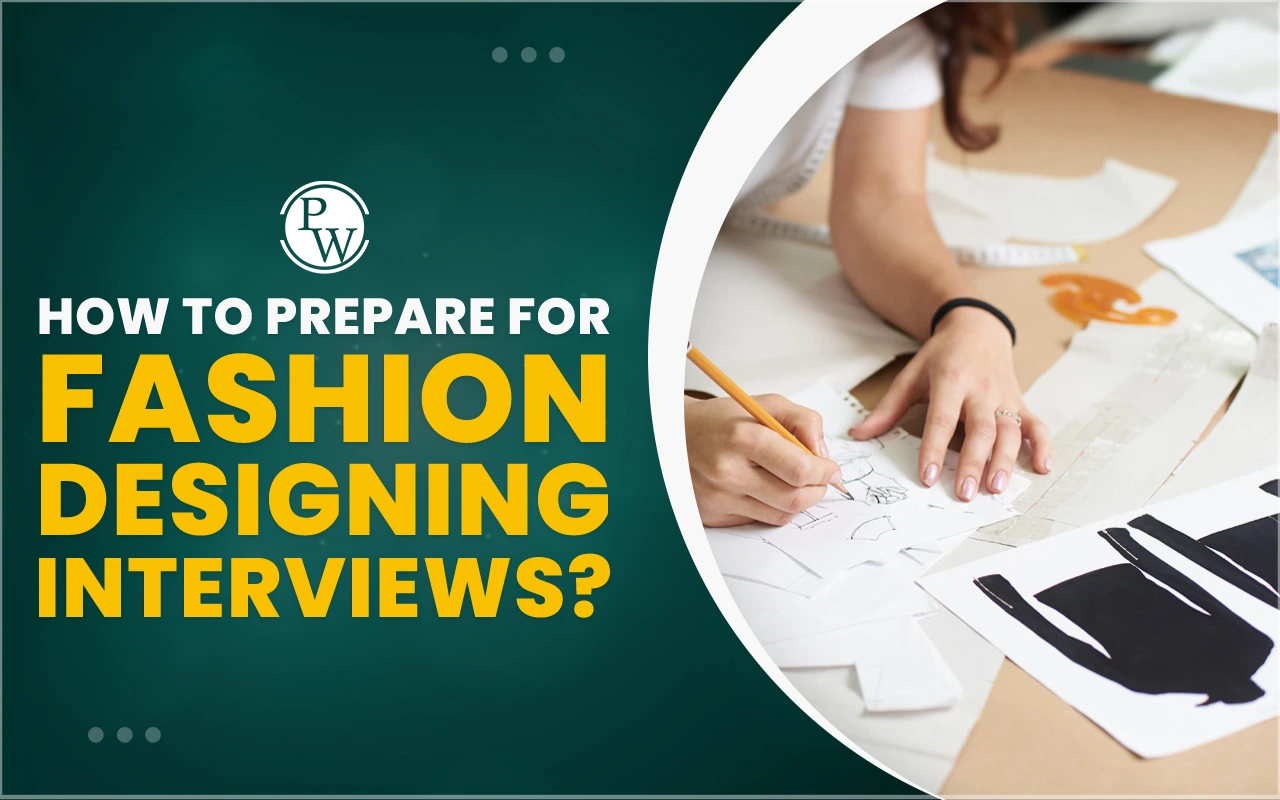
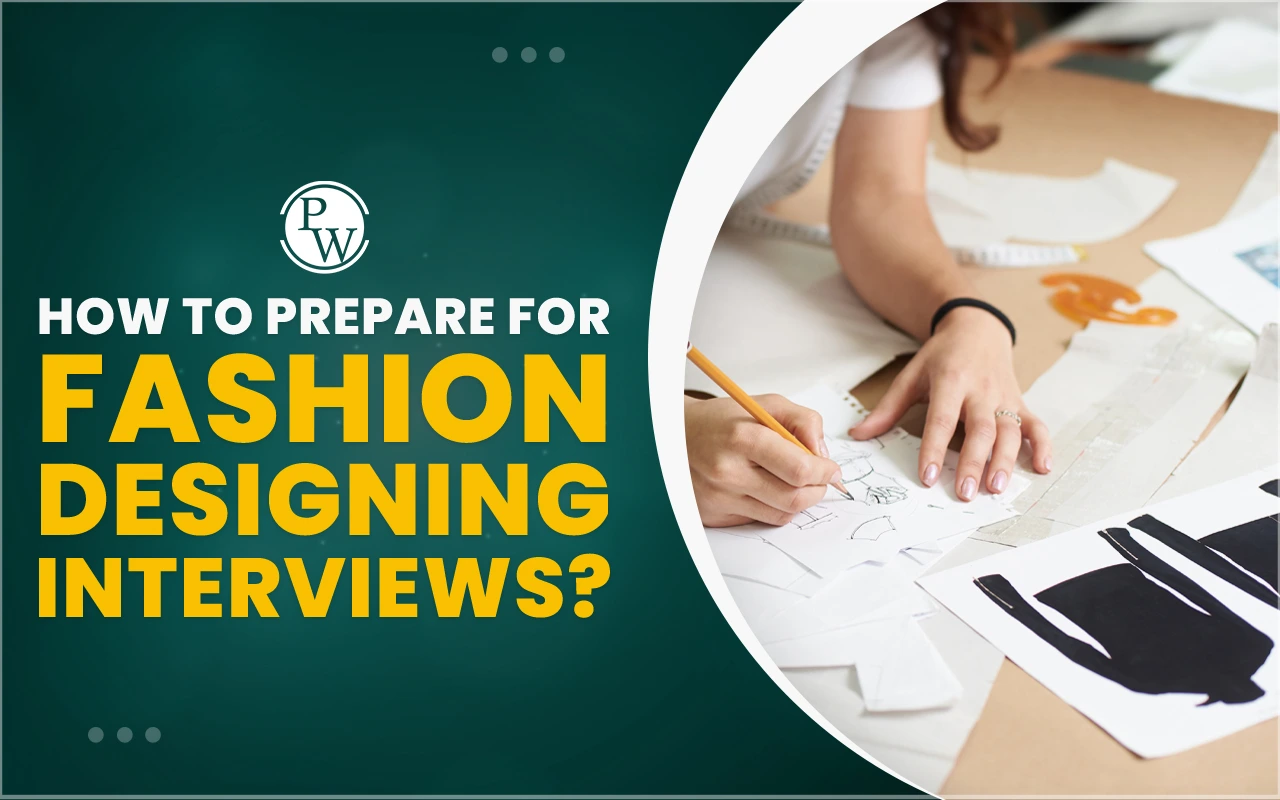
Fashion Designing is a fast-growing industry in the field of fashion. It involves creativity and new trends in culture and lifestyle. Since the industry is dynamic and ever-evolving. Design aspirants are keen on entering the fashion design industry after completing their graduation.
Preparing for Fashion Design Interviews requires candidates to possess design knowledge, as well as technical and creative skills. The interview tests candidates test not just your technical skills, but also your ability to communicate ideas and present your portfolio effectively. Design institutes such as NIFT (National Institute of Fashion Technology), Pearl Academy, or IIAD, include Interviews as a part of their admission process. Candidates must be aware of the present wave of fashion across the globe and have a good grasp of design concepts while preparing for Fashion design interviews.
Fashion Designing Interviews Overview
Fashion Designing Interviews are part of the admission process for various design colleges across the country. It requires candidates to showcase their creativity, skills, and industry knowledge before the interview panel. Candidates are asked questions related to your personal inspiration, design processes, and familiarity with current trends. Furthermore, aspirants are often asked to present their portfolio and demonstrate their ability to align with the college’s vision. Interviewers look for originality, passion, and a clear design perspective. Candidates appearing for the Fashion Designing Interviews must exude confidence, clarity, and passion for fashion for getting through to the interview.
How to Prepare for Fashion Designing Interviews?
Here are some tips for candidates to prepare for fashion designing interview.
- Research Thoroughly About the College
Before appearing for the Fashion Designing Interview for any college, research comprehensively about the college’s vision and highlights. The interviewer may ask you what you want to pursue in a fashion designing course in that college, so you must have an appropriate answer that aligns with the college’s vision and foresight.
- Work on Your Portfolio
Your portfolio should speak for yourself as it is your visual resume. It must include your best work, consisting of sketches, mood boards, technical drawings, and finished garments. Make sure that your portfolio tells a cohesive design story and highlights your versatility and passion for the field.
- Stay Updated on Fashion Trends
Keep a track of the current and emerging fashion trends, key designers, and global fashion weeks. The interviewer will evaluate you based on your industry awareness and adaptability to changing styles and demands.
- Enhance your Fashion Fundamentals
Candidates appearing for the fashion designing interviews must have a good understanding of design principles, color theory, textiles, and garment construction. You should practice skills of how to articulate your design ideas clearly and confidently before the interview panel.
- Dress Professionally
Your first impression can be your last impression. So dress appropriately for the interview. Choose an outfit that reflects your personal style while maintaining professionalism. Avoid flashy logos or overly casual attire to make a positive impression.
- Enhance Your Communication Skills
The interviewer may ask about your personal life and your likeness for the fashion industry. Try to give answers in simpler and concise sentences giving examples drawn from your personal experiences. Listen to the questions carefully and then articulate your thoughts confidently. Explain your design concepts and inspirations effectively to showcase your ability to collaborate.
- Prepare for Situation-Based Questions
The interview panel might present a hypothetical situation and ask you to solve it within a given time frame. To answer such questions effectively, practice rapid sketching exercises or conceptualizing designs on the spot to demonstrate your creativity under pressure.
- Prepare for Group Discussion (GD)
Some colleges conduct Group Discussion Rounds also as part of their interview process. Practice expressing opinions clearly, listening effectively, and contributing without dominating others.
|
Read More |
|
|
|
|
| UCEED Revised Seat Matrix 2025 for B.Des | |
Fashion Designing Interviews FAQs
What should I include in my fashion design portfolio?
Your portfolio should include concept sketches, mood boards, fabric samples, garment illustrations, and photos of completed work. It should highlight your creativity, technical skills, and unique design style.
What kind of questions can I expect in a fashion designing interview?
Candidates can expect questions from topics like your design process, inspirations, favorite materials, handling criticism, or sustainability in fashion. Be prepared for scenario-based challenges as well.
How do I explain my design process during the interview?
While explaining your design process during the interview, discuss how you gather inspiration, create initial sketches, develop mood boards, choose fabrics, and oversee garment construction. Emphasize creativity and attention to detail.
What should I wear to a fashion designing interview?
For the fashion designing interview dress professionally while reflecting your personal style. Avoid flashy logos or overly casual attire and ensure your outfit aligns with the company’s aesthetic.
How do I prepare for practical rounds or sketching tests?
Practice sketching regularly with time limits. Brush up on basic garment construction, fabric types, and color theory, as these may also be assessed.


 Live & recorded classes available at easeDashboard for progress trackingMillions of practice questions at your fingertips