

Erb's Palsy: Causes, Symptoms, Risk Factors, Diagnosis

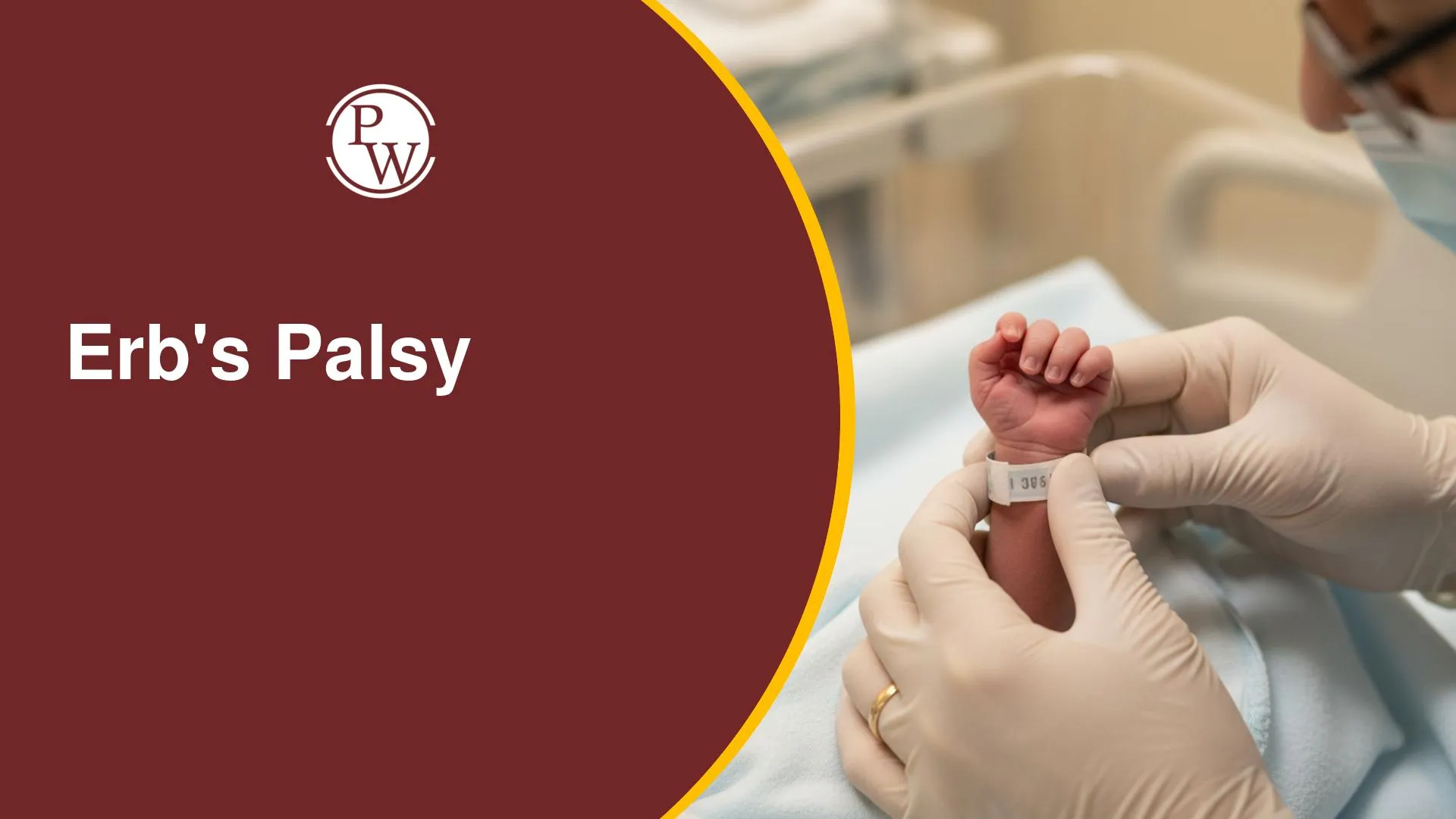
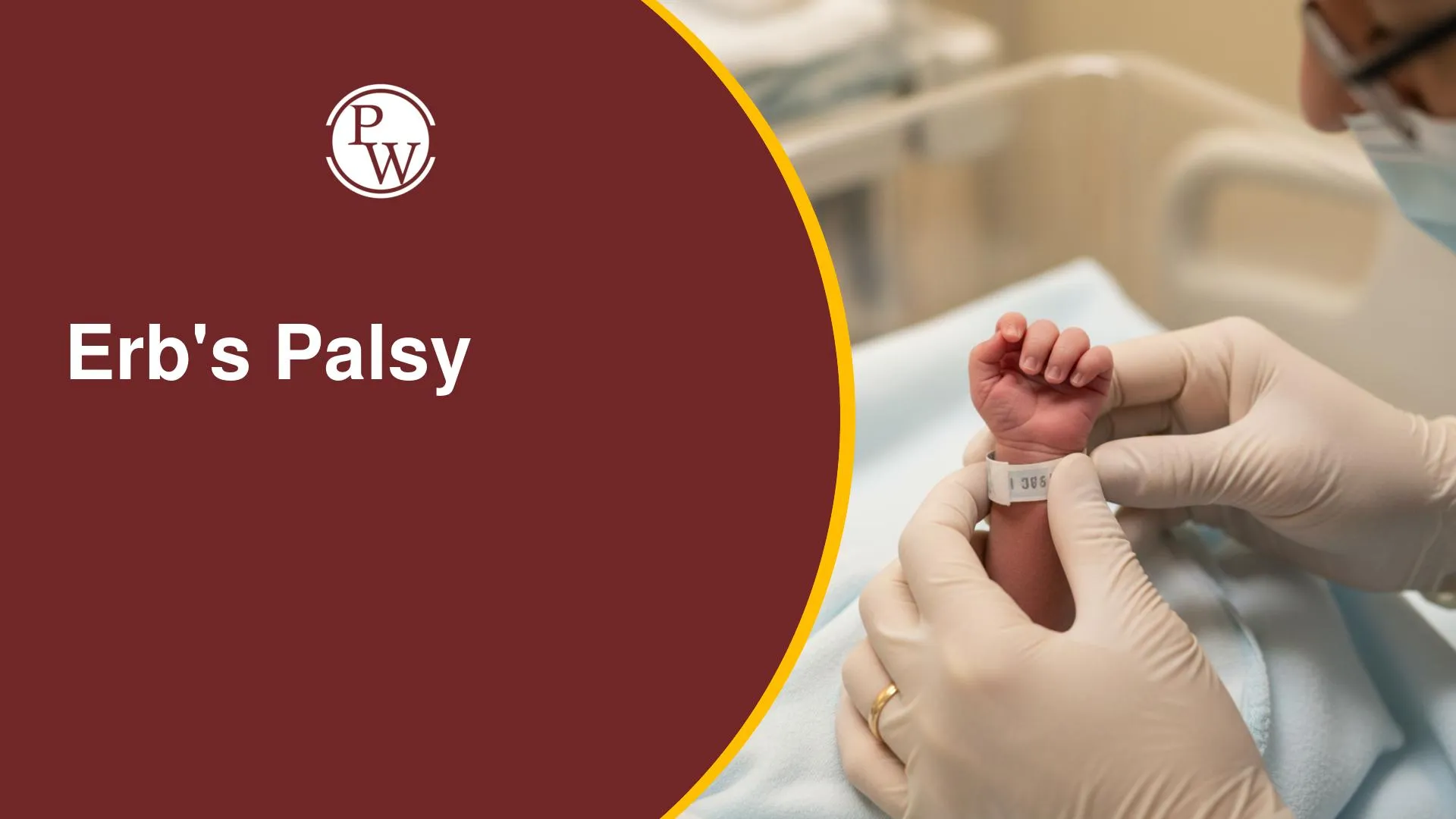
Erb's Palsy is a condition that affects the movement and strength of the arm and shoulder. It mainly occurs due to injury to the nerves that control these parts. This condition is often seen in newborns, but it can also affect adults after accidents or injuries.
The severity can vary from mild weakness to complete loss of movement. Early care and proper treatment can help improve recovery.
What is Erb’s Palsy?
It is a type of nerve injury that affects the upper part of the brachial plexus. The brachial plexus is a group of nerves that connects the spine to the shoulder, arm, and hand.
When these nerves are stretched, damaged, or torn, it leads to weakness or paralysis in the arm. This condition is also known as Erb-Duchenne paralysis.
Types of Erb's palsy
The injury to the brachial plexus can occur in different forms. Each type depends on how severe the nerve damage is.
-
Avulsion: The nerve is completely pulled away from the spinal cord. This is the most serious type.
-
Rupture: The nerve tears but not at the spinal attachment.
-
Neuroma: The nerve heals after injury but forms scar tissue. This affects signal transmission.
-
Neuropraxia: The nerve is stretched but not torn. This is the most common and least severe type.
Causes Of Erb’s Palsy
The main cause of this condition is the forceful stretching of the head away from the shoulder. This happens most often during difficult physical events.
-
Birth Injury: A baby’s neck may be stretched to one side during a difficult delivery to clear the shoulders.
-
Traffic Accidents: Motorcycle accidents are a leading cause of this injury in teenagers and adults.
-
Sports Injuries: High-impact contact sports like football can cause "burners" or "stingers" in the nerves.
-
Trauma: Gunshot wounds, knife wounds, or heavy industrial accidents can damage the brachial plexus
Which Signs and Symptoms Accompany Erb's palsy?
Symptoms usually appear immediately after the injury. The arm may look limp or positioned in a very specific way.
-
Paralysis: The patient cannot lift the arm or bend the elbow.
-
Numbness: A tingling sensation or a total loss of feeling in the arm and shoulder.
-
Limpness: The arm hangs loosely by the side of the body.
-
The Waiter’s Tip Position: The hand is held with the palm facing backward and fingers curled.
Risk Factors Of Erb’s Palsy
Certain factors increase the chance of a baby developing this condition during birth. These are often related to the size of the baby or the mother's health.
-
High Birth Weight: Larger babies are more likely to have their shoulders stuck during delivery.
-
Maternal Diabetes: This can lead to larger babies and a more difficult labor process.
-
Breech Presentation: If the baby is born feet-first, the arms may be stretched over the head.
-
Maternal Obesity: Being significantly overweight can complicate the delivery of the baby’s shoulders.
How is Erb's Palsy Diagnosed?
A doctor will first perform a physical exam to check for muscle weakness. They may then use medical tests to confirm the extent of the nerve damage.
-
Electromyography (EMG): This test checks how well the muscles and nerves are communicating.
-
MRI or CT Scans: These imaging tests provide clear pictures of the internal organs and nerves.
-
X-rays: Doctors use these to check if any bones were broken during the injury.
-
Myelogram: A special type of scan that looks specifically at the spinal cord and nerve roots.
How is Erb's Palsy Treated?
Many cases of this heal on their own within a few months. However, some patients require medical intervention to regain full use of their arm.
-
Physical Therapy: Daily stretching and range-of-motion exercises help prevent joint stiffness.
-
Hydrotherapy: Doing exercises in water reduces pain and makes movement easier.
-
Botox Injections: These are used to temporarily weaken stronger muscles so the injured ones can grow stronger.
-
Nerve Surgery: If there is no improvement after six months, a doctor may perform a nerve graft or transfer.
-
Muscle Repair: In some cases, tendons or muscles are moved from other parts of the body to restore function.
Recovery may take time, as nerve healing is a slow process. Continuous care and follow-up are important for better outcomes.
It can be managed effectively with early diagnosis and proper treatment. With consistent therapy and medical support, many individuals regain function and improve their quality of life.
| Inguinal Hernia | Lumbar Puncture |
| Cranio-Vertebral Joints | Montgomery Tubercles |
Erb's Palsy FAQs
What is Erb's Palsy?
Can Erb's Palsy heal on its own?
What causes Erb's Palsy in newborns?
Which part of the body is mainly affected?