






NCLEX-PN Syllabus, Check Exam Pattern, Detailed Syllabus, Question type Example, Percentage Distribution
 Priyanka Agarwal12 Sept, 2024
Share

NCLEX-PN Syllabus: The NCLEX-PN exam is a critical step for aspiring practical and vocational nurses, designed to ensure that candidates possess the essential knowledge, skills, and abilities required for safe and effective entry-level nursing practice. The 2024 NCLEX-PN syllabus reflects the latest advancements in nursing education and practice standards, integrating contemporary clinical scenarios and evidence-based practices.
The exam is structured around four major Client Needs categories, each subdivided into specific subcategories and topics. These categories encompass a wide range of nursing knowledge areas, from ensuring a safe and effective care environment to promoting health and managing psychosocial needs. The syllabus emphasizes critical thinking, clinical judgment, and the application of fundamental principles to real-world nursing situations. Understanding this syllabus is crucial for candidates to effectively prepare for the exam and succeed in their nursing careers. This article gives an overview of the syllabus to help candidates study effectively and succeed on the exam.NCLEX-PN Syllabus Overview
The NCLEX-PN exam is designed to assess the competencies required for safe and effective entry-level nursing practice. The test is computerized and uses a computer adaptive testing (CAT) format, which means the difficulty of questions adjusts based on the candidate's performance. The exam primarily tests critical thinking and clinical judgment in various nursing scenarios.| NCLEX-PN Syllabus Overview | |
|---|---|
| Category | Details |
| Exam Name | NCLEX (National Council Licensure Examination) |
| Regions | Canada / US |
| Post | PN (Practical Nurse) |
| PN Exam Details | 85-205 questions, up to 5 hours |
| Question Types | MCQ, Charts, Fill-in-the-Blanks (F/B), Drag and Drop, Hotspot Questions |
| Annual Exams | 8 exams per year with a 45-day retake window |
| Result Availability | Results within 6 weeks of the exam |
| Number of Candidates | 68000 (India: 1000) |
| Experimental Questions | 15 experimental questions included |
| Syllabus |
Safe and Effective Environment
: Client Rights, Ethics, Home Safety, Accident Prevention
Health Promotion : Aging, Newborn Care, Developmental Stages, Lifestyle Choices Psychological Integrity : Social Issues, Emotions, Abuse, Clinical Dependencies Physiological Aspects : Therapeutic Procedures, Risk Management, Abnormal Responses to Therapies |
NCLEX-PN Exam Pattern
The NCLEX-PN exam is a computerized adaptive test designed to evaluate the competency of candidates seeking licensure as practical or vocational nurses. The exam's adaptive nature adjusts the difficulty of questions based on the candidate’s responses, ensuring a precise measure of their knowledge and skills.| NCLEX-PN Exam Pattern | |
|---|---|
| Aspect | Details |
| Total Number of Questions | 85 to 205 questions |
| Number of Scored Questions | 85 to 150 questions |
| Number of Experimental Questions | 15 experimental questions, not scored but used for future test development |
| Question Types | Multiple Choice Questions (MCQs) |
| Charts | |
| Fill-in-the-Blanks (F/B) | |
| Drag and Drop | |
| Hotspot Questions | |
| Exam Duration | Up to 5 hours |
| Scoring Method | Adaptive testing algorithm adjusts question difficulty based on performance |
| Passing Standard | Candidates must meet a minimum competency standard to pass |
Example of NCLEX-PN Question Pattern
The example of the NCLEX-PN question pattern provides insights into the types of questions you will encounter on the exam. The images included illustrate various question formats, helping candidates understand the different question types and their patterns. By reviewing these examples, candidates can better prepare for the exam and tailor their study strategies to effectively address the specific question styles they will face.NCLEX-PN Question Type: Multiple Choice
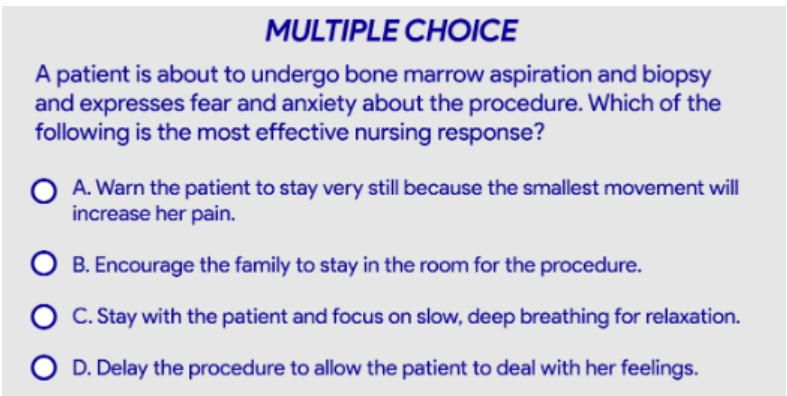
NCLEX-PN Question Type: Chart Sample
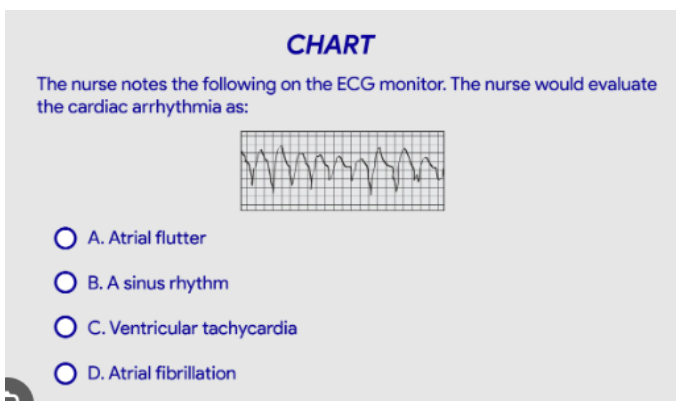
NCLEX-PN Question Type: Drag & Drop
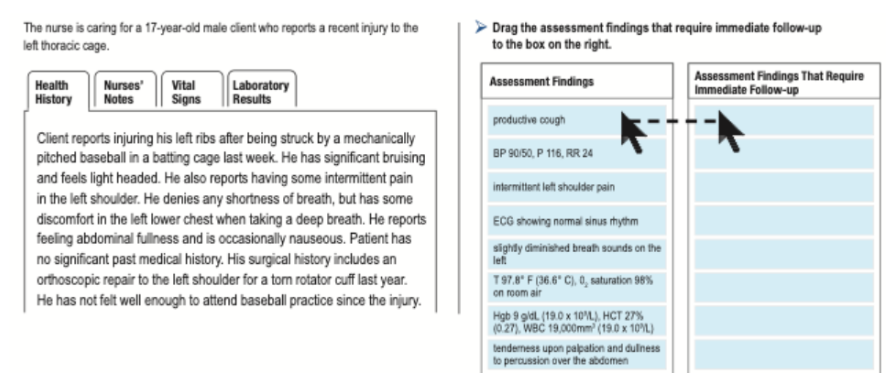
NCLEX-PN Question Type: Fill in Blanks
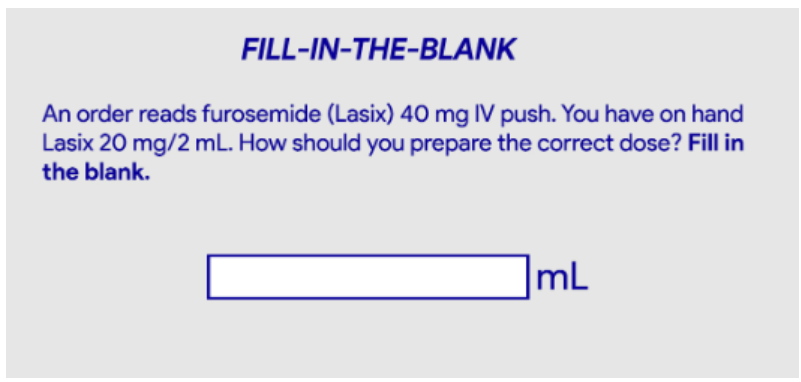
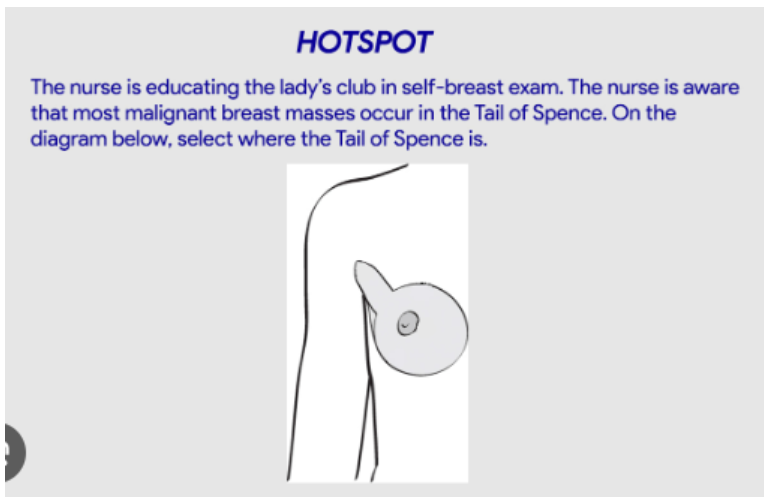
NCLEX-PN Question Type: Hotspot
New Question Types on the Next Gen NCLEX® Exam
- Case Study
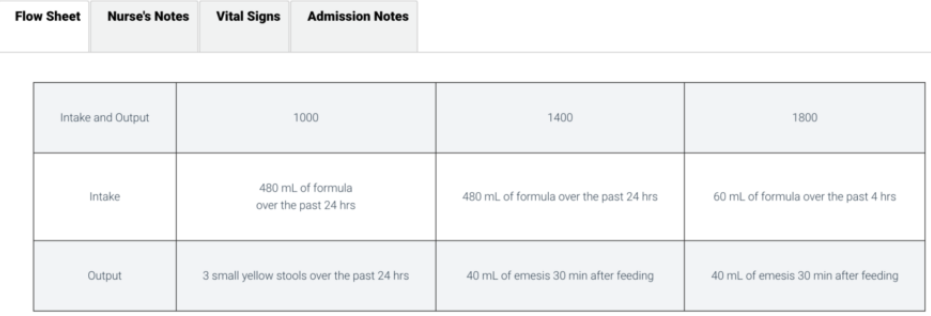
- Matrix Grid
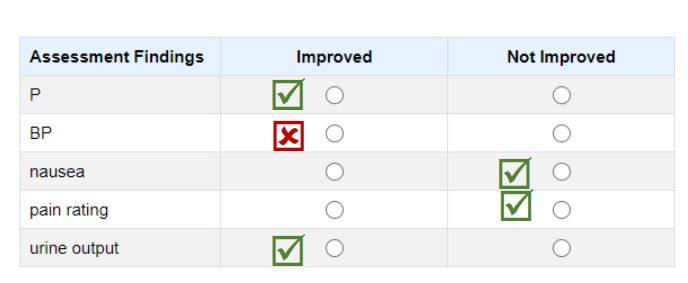
- Bow-tie
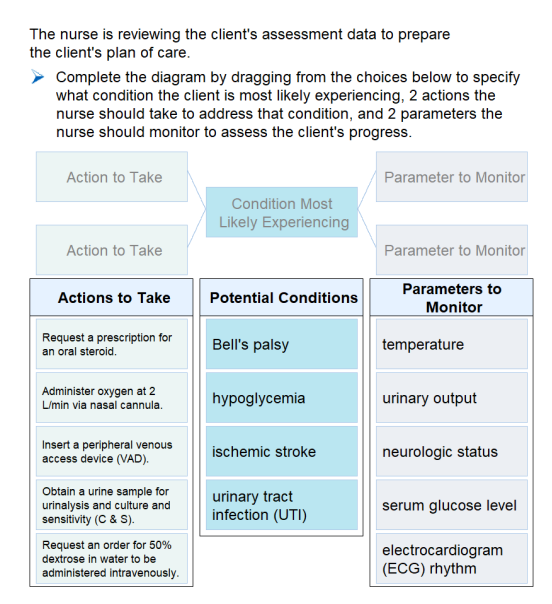
- Drop-Down Cloze
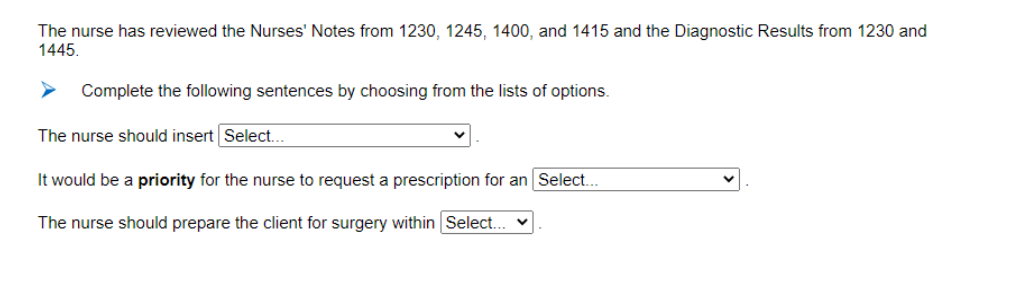
- Drag & Drop Cloze
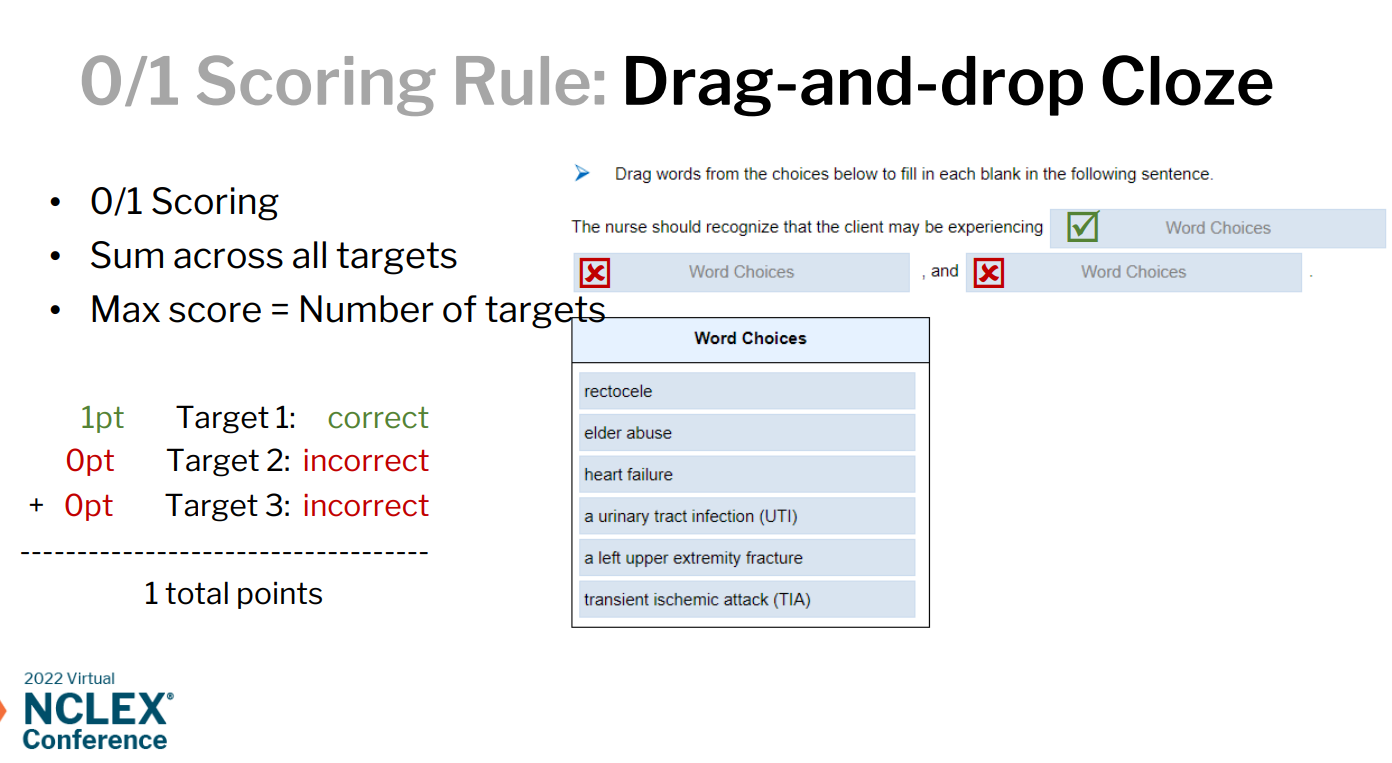
- Extended Multiple Response
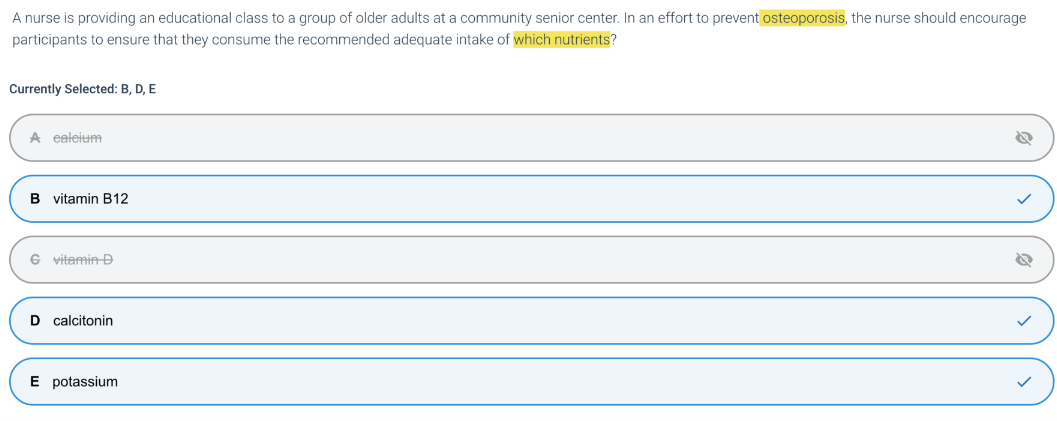 Check Complete Question Type Details here in the PDF
NCLEX-PN Syllabus
The table below outlines the main content areas of the NCLEX-PN exam, categorized into key areas of nursing care. It provides a detailed breakdown of topics within each category, helping candidates understand the scope of the exam and focus their study efforts.| NCLEX-PN Syllabus | ||
|---|---|---|
| Category | Subcategory | Topics |
| Safe and Effective Care Environment | Management of Care | Advance directives, Advocacy, Assignment, Delegation and Supervision , Case management, Client rights, Collaboration with interdisciplinary team, Concepts of management, Confidentiality and information security, Continuity of care, Delegation, Establishing priorities, Ethical practice, Informed consent, Legal rights and responsibilities |
| Safety and Infection Control | Accident/error/injury prevention, Emergency response plan, Ergonomic principles, Handling hazardous materials, Home safety, Reporting of incident/event/irregular occurrence/variance, Safe use of equipment, Security plan, Standard precautions/transmission-based precautions/surgical asepsis | |
| Health Promotion and Maintenance | Growth and Development Through the Lifespan | Aging process, Developmental stages and transitions, Health promotion/disease prevention, Health screening, High-risk behaviors, Lifestyle choices, Self-care |
| Prevention and Early Detection of Disease | Immunizations, Physical assessment techniques, Risk factors | |
| Psychosocial Integrity | Coping and Adaptation | Coping mechanisms, Crisis intervention, Grief and loss, Stress management |
| Psychosocial Adaptation | Behavioral interventions, Chemical and other dependencies, Coping mechanisms, End-of-life care, Mental health concepts, Spiritual and religious influences on health | |
| Physiological Integrity | Basic Care and Comfort | Assistive devices, Elimination, Mobility/immobility, Non-pharmacological comfort interventions, Nutrition and oral hydration, Palliative/comfort care, Personal hygiene, Rest and sleep |
| Pharmacological and Parenteral Therapies | Adverse effects/contraindications/side effects/interactions, Blood and blood products, Central venous access devices, Dosage calculation, Expected actions/outcomes, Medication administration, Parenteral/intravenous therapies, Pharmacological pain management | |
| Reduction of Risk Potential | Diagnostic tests, Laboratory values, Potential for complications from surgical procedures and health alterations, Therapeutic procedures | |
| Physiological Adaptation | Alterations in body systems, Fluid and electrolyte imbalances, Medical emergencies, Pathophysiology, Radiation therapy, Unexpected response to therapies | |
NCLEX-PN Syllabus Categories and Percentage Distribution
The NCLEX-PN syllabus is divided into four major categories, each encompassing specific content areas and nursing responsibilities. This table helps in understanding the distribution of questions across different categories and subcategories in the NCLEX-PN exam, along with the integrated processes and clinical judgment evaluations.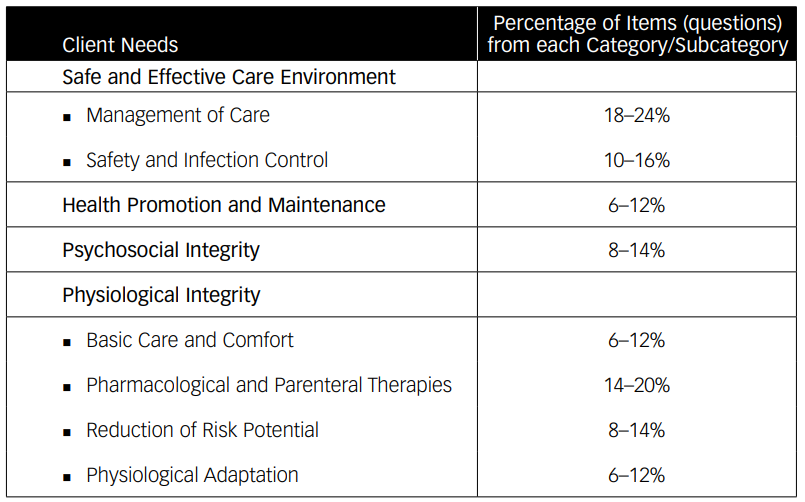
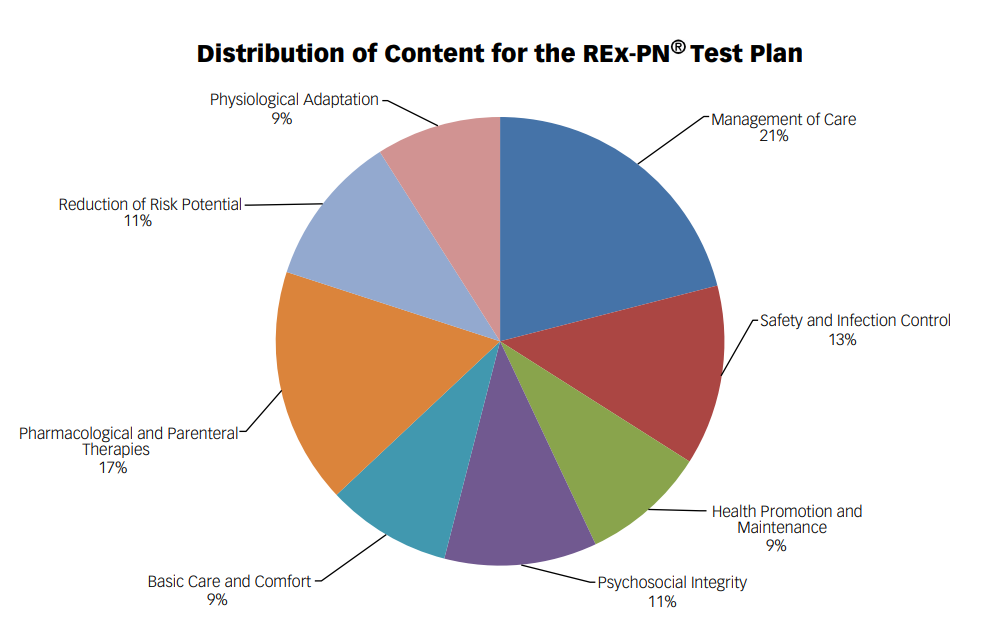 The following processes are integrated into all Client Needs categories of the RN and PN Test Plan; Nursing Process, Caring, Communication and Documentation, Teaching and Learning, and Culture and Spirituality. In addition to the Client Needs categories and subcategories listed below, clinical judgment processes are explicitly measured by 18 case study items (i.e., three item sets) and approximately 10% stand-alone items, which will be selected depending on exam length
Study Tips for NCLEX-PN Syllabus Preparation
- Understand the Test Format: Familiarize yourself with the CAT format and question types. Practice with NCLEX-style questions to become comfortable with the test's adaptive nature.
- Review Core Content Areas: Focus on the major categories and percentages outlined in the syllabus. Ensure you cover each topic thoroughly and understand key concepts.
- Use Study Resources: Utilize NCLEX review books, online courses, and practice exams. Resources like the NCLEX-PN test plan from the National Council of State Boards of Nursing (NCSBN) can provide detailed insights into the exam content.
- Practice Critical Thinking: The NCLEX-PN tests your ability to apply knowledge in clinical scenarios. Practice critical thinking and decision-making skills to enhance your clinical judgment.
- Manage Your Time: Develop a study schedule that allows you to cover all content areas and review weak points. Regular practice and timed quizzes can help improve your time management during the exam.
NCLEX-PN Syllabus FAQs
What are the main categories of the NCLEX-PN syllabus?
How many questions are on the NCLEX-PN exam, and what types are included?
What is the purpose of experimental questions on the NCLEX-PN exam?
How is the NCLEX-PN exam scored?
When can candidates expect to receive their NCLEX-PN results?








 Live & recorded classes available at easeDashboard for progress trackingMillions of practice questions at your fingertips

