







Hepatitis: Introduction, Symptoms, Diagnosis, Treatment
Hepatitis is an inflammation of the liver, often caused by viral infections, alcohol consumption, or autoimmune diseases. Symptoms may include jaundice, fatigue, and abdominal pain. Check this article to know more about the Hepatitis.
 Jasdeep Bhatia28 Jun, 2024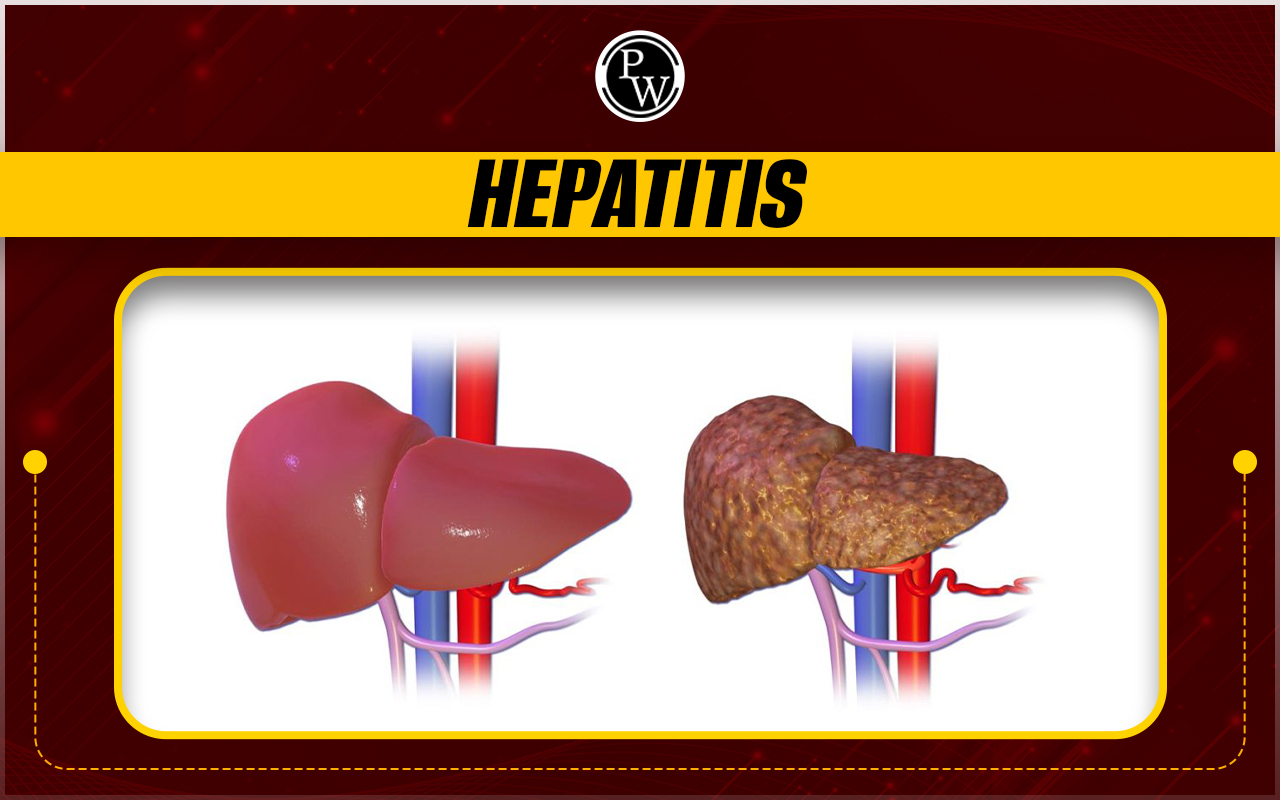
If you are looking for Hepatitis , you have come to the right place!
Hepatitis is an inflammation of the liver caused by viral infections, alcohol abuse, drugs, or other factors. This study material should give you a good understanding of the basics of hepatitis, its causes, symptoms, diagnosis, and treatment.Introduction
Hepatitis is an inflammation of the liver caused by viral infections, alcohol abuse, drugs, or other factors. The liver is a vital organ that helps filter toxins from the blood, produce bile, and metabolise nutrients, drugs, and hormones. When the liver becomes inflamed, its ability to function is impaired, which can lead to serious health problems. There are five main types of viral hepatitis: A, B, C, D, and E. Each is caused by a different virus and can have different symptoms, modes of transmission, and outcomes. Some forms of hepatitis resolve independently and do not cause long-term damage, while others can lead to chronic liver disease, cirrhosis, and liver cancer.Hepatitis A:
Hepatitis A is caused by the hepatitis A virus (HAV) and is spread through contaminated food or water. It is usually a self-limiting illness that resolves independently and does not lead to chronic liver disease.Hepatitis B:
Hepatitis B is caused by the hepatitis B virus (HBV) and is spread through contact with an infected person's blood or other bodily fluids. It can lead to chronic liver disease and increase the risk of liver cancer.Hepatitis C:
Hepatitis C is caused by the hepatitis C virus (HCV) and is spread through contact with contaminated blood. It can lead to chronic liver disease and increase the risk of liver cancer.Hepatitis D:
Hepatitis D is caused by the hepatitis D virus (HDV) and occurs only in people infected with hepatitis B. It can lead to severe liver damage and increase the risk of liver cancer.Hepatitis E:
Hepatitis E is caused by the hepatitis E virus (HEV) and is spread through contaminated food or water. It is usually a self-limiting illness that resolves independently and does not lead to chronic liver disease.Symptoms Of Hepatitis
The symptoms of hepatitis can vary depending on the type and severity of the infection. Still, some common symptoms include- Fatigue: Many people with hepatitis experience tiredness or weakness, which can be severe and long-lasting.
- Abdominal pain: Some people with hepatitis may experience pain or discomfort in the upper right side of the abdomen, near the liver.
- Jaundice: This is a yellowing of the skin and whites of the eyes that occurs when there is a buildup of bilirubin, a yellow pigment, in the blood.
- Loss of appetite: Some people with hepatitis may not feel like eating or experience a decreased appetite.
- Nausea and vomiting: Some people with hepatitis may experience nausea or vomiting, which can be severe and long-lasting.
- Dark urine: Some people with hepatitis may notice their urine is dark in colour, which can indicate liver problems.
- Pale stools: Some people with hepatitis may notice that their stools are light-coloured or clay-coloured, indicating liver problems.
- Muscle or joint pain: Some people with hepatitis may experience pain or discomfort in the muscles or joints, which can be severe and long-lasting.
Glyolysis and Glycolytic Pathway
Diagnosis Of Hepatitis
The diagnosis of hepatitis typically involves a combination of blood tests, physical exams, and medical history. Some common tests used to diagnose hepatitis include- Liver function tests: These tests measure the levels of certain enzymes and proteins in the blood that indicate liver function. Elevated levels of these substances can indicate liver inflammation or damage.
- Antibody tests: These tests detect antibodies to the virus that causes the specific type of hepatitis. These antibodies in the blood can indicate a past or current infection.
- Viral load tests: These tests measure the amount of virus in the blood and can help determine the severity of the infection and the risk of long-term complications.
- Liver biopsy: In some cases, a liver biopsy may be performed to obtain a small sample of liver tissue for examination under a microscope. This can provide information about the extent of liver damage and help guide treatment decisions.
Genetically Modified Organisms Ethical Issues
Treatment Of Hepatitis
The treatment of hepatitis depends on the type of hepatitis, the severity of symptoms, and the underlying cause of the disease.- Hepatitis A: There is no specific treatment for hepatitis A, but rest, a healthy diet, and plenty of fluids can help relieve symptoms.
- Hepatitis B: The mainstay of treatment for chronic hepatitis B is antiviral therapy, which can suppress the virus and prevent liver damage.
- Hepatitis C: The standard treatment for hepatitis C is a combination of antiviral medications, which can cure the infection in over 95% of cases.
- Alcoholic hepatitis: Abstaining from alcohol is the first step in treating alcoholic hepatitis. Nutritional support and corticosteroids may also reduce inflammation and improve liver function.
- Autoimmune hepatitis: Immunosuppressant drugs such as corticosteroids and azathioprine are used to treat autoimmune hepatitis, which helps to reduce inflammation and prevent liver damage.
Q: What is hepatitis?
A: Hepatitis is a group of viral infections that cause liver inflammation. The most common types of hepatitis are A, B, and C, each caused by a different virus.
Q: What are the symptoms of hepatitis?
A: The symptoms of hepatitis can vary, but may include fatigue, abdominal pain, loss of appetite, nausea, jaundice, and dark urine.
Q: How is hepatitis spread?
A: Hepatitis is spread through contact with the bodily fluids of an infected person, such as blood, semen, vaginal fluids, or saliva. It can also be spread by sharing needles or other injection equipment, or from mother to baby during birth.
Q: What is the treatment for hepatitis?
A: The treatment for hepatitis depends on the type of hepatitis and the severity of the infection. Treatment options can include supportive care, antiviral medications, and immunosuppressant drugs.
Q: How can hepatitis be prevented?
A: Hepatitis can be prevented by practising good hygiene, such as washing your hands regularly and avoiding close contact with infected individuals. Vaccination against hepatitis A and B is also an effective way to prevent infection. Additionally, avoiding high-risk behaviours such as sharing needles or having unprotected sex can reduce the risk of exposure to the viruses that cause hepatitis.
Q: Is there a cure for hepatitis?
A: In some cases, hepatitis can be cured with antiviral medications. For other types of hepatitis, there is no cure, but treatment can help to manage the symptoms and prevent complications.



Talk to a counsellorHave doubts? Our support team will be happy to assist you!


Check out these Related Articles










Join 15 Million students on the app today!
 Live & recorded classes available at easeDashboard for progress trackingMillions of practice questions at your fingertips


Free Learning Resources
PW Books
Notes (Class 10-12)
PW Study Materials
Notes (Class 6-9)
Ncert Solutions
Govt Exams
Our Other Websites
Class 6th to 12th Online Courses
Govt Job Exams Courses
UPSC Coaching
Defence Exam Coaching
Gate Exam Coaching
Other Exams
Know about Physics Wallah
Physics Wallah is an Indian edtech platform that provides accessible & comprehensive learning experiences to students from Class 6th to postgraduate level. We also provide extensive NCERT solutions, sample paper, NEET, JEE Mains, BITSAT previous year papers & more such resources to students. Physics Wallah also caters to over 3.5 million registered students and over 78 lakh+ Youtube subscribers with 4.8 rating on its app.
We Stand Out because
We provide students with intensive courses with India’s qualified & experienced faculties & mentors. PW strives to make the learning experience comprehensive and accessible for students of all sections of society. We believe in empowering every single student who couldn't dream of a good career in engineering and medical field earlier.
Our Key Focus Areas
Physics Wallah's main focus is to make the learning experience as economical as possible for all students. With our affordable courses like Lakshya, Udaan and Arjuna and many others, we have been able to provide a platform for lakhs of aspirants. From providing Chemistry, Maths, Physics formula to giving e-books of eminent authors like RD Sharma, RS Aggarwal and Lakhmir Singh, PW focuses on every single student's need for preparation.
What Makes Us Different
Physics Wallah strives to develop a comprehensive pedagogical structure for students, where they get a state-of-the-art learning experience with study material and resources. Apart from catering students preparing for JEE Mains and NEET, PW also provides study material for each state board like Uttar Pradesh, Bihar, and others
Copyright © 2026 Physicswallah Limited All rights reserved.