

Justice Sanjiv Khanna Takes Oath as 51st Chief Justice of India
CJI Sanjiv Khanna served as the 51st Chief Justice of India, known for key judgments, judicial reforms, and his focus on transparency, efficiency, and accessible justice.
 Deeksha Dixit25 Nov, 2025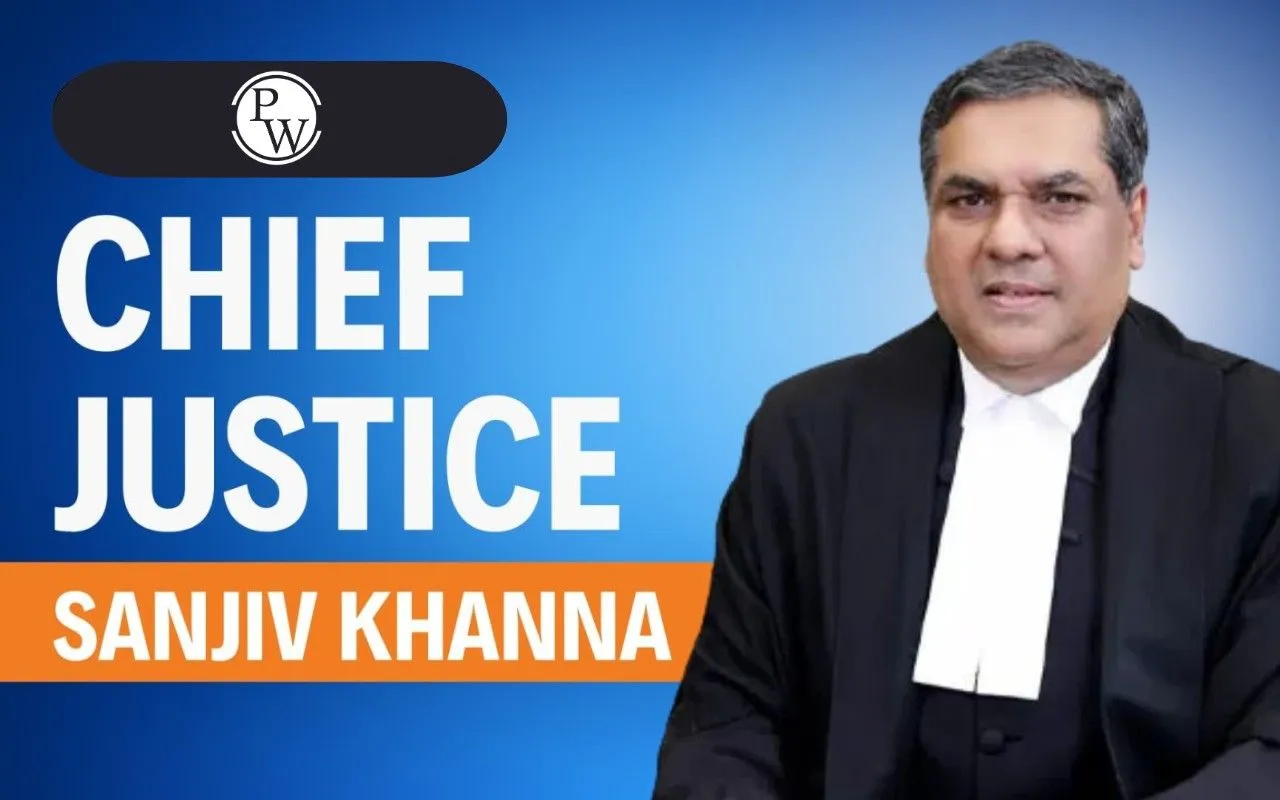
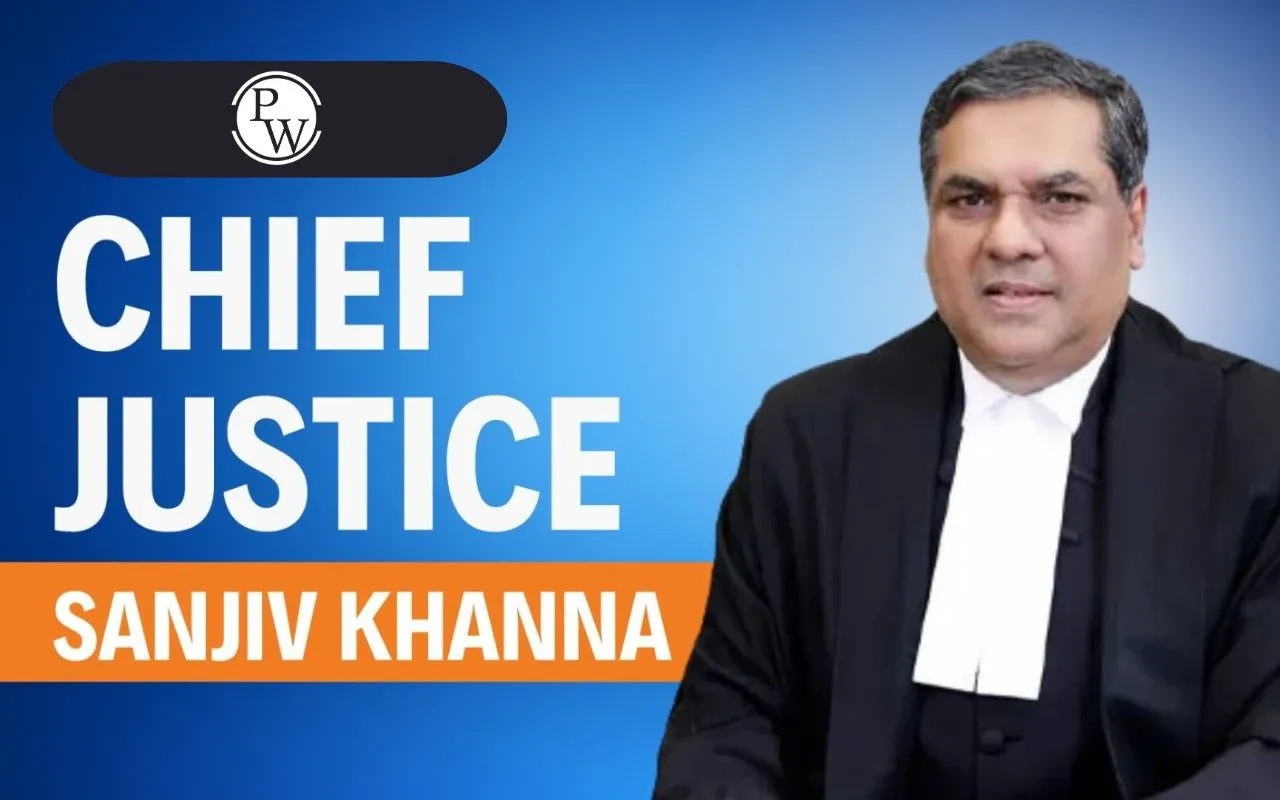
CJI Sanjiv Khanna officially took office as the 51st Chief Justice of India on November 11, 2024, at a formal ceremony held at the Rashtrapati Bhavan. President Droupadi Murmu administered the oath of office to the new Chief Justice.
This appointment of CJI Sanjiv Khanna marks a significant moment in the nation's judiciary, as he succeeds Justice D.Y. Chandrachud. Justice Khanna's tenure is set to last for approximately six months, concluding upon his retirement on May 13, 2025.
Over his six-month term, he is expected to guide the Supreme Court on pressing issues of national importance, carrying forward a legacy of distinguished service and landmark judicial contributions.
CJI Sanjiv Khanna sworn in as the 51st Chief Justice of India
Justice Sanjiv Khanna's elevation to the highest judicial office in the country follows a recommendation from the outgoing Chief Justice D.Y. Chandrachud, in accordance with established central government convention.
The swearing-in ceremony was a high-profile event attended by numerous dignitaries, including the Vice President, the Prime Minister, and several Union Ministers, underscoring the importance of the event in India's legal and political landscape.
Key facts regarding the swearing-in:
-
Successor To: Justice D.Y. Chandrachud.
-
Swearing-in Date: November 11, 2024.
-
Administered By: President Droupadi Murmu.
-
Term Duration: Approximately six months, until May 13, 2025.
CJI Sanjiv Khanna has prioritized tackling judicial pendency and maintaining detachment from the distractions of the social media era, focusing solely on upholding the Constitution of India.
Judicial Journey of Justice Sanjiv Khanna From Delhi High Court to Supreme Court
The professional career of CJI Sanjiv Khanna is characterized by extensive experience and a consistent rise through the judicial ranks.
-
Initial Practice (1983): He was enrolled as an advocate with the Bar Council of Delhi in 1983. He initially practiced in the district courts before moving to the Delhi High Court and various tribunals.
-
Areas of Expertise: His legal practice covered diverse and complex fields, including constitutional law, direct taxation, commercial law, arbitration, environmental law, and matters of medical negligence.
-
Government Roles: He served as Senior Standing Counsel for the Income Tax Department for approximately seven years and later as Standing Counsel (Civil) for the National Capital Territory of Delhi. He also served as an Additional Public Prosecutor.
-
Delhi High Court: He was elevated as an Additional Judge of the Delhi High Court in June 2005 and became a Permanent Judge in February 2006.
-
Supreme Court Elevation: Justice Khanna was elevated directly from the Delhi High Court to the Supreme Court on January 18, 2019. This elevation was notable as he was one of the few judges to move directly to the apex court without first serving as a Chief Justice of a State High Court.
His journey showcases a deep and varied legal background, laying the foundation for his tenure as the Chief Justice of India.
Judgments and Landmark Rulings by CJI Sanjiv Khanna
Throughout his time as a Supreme Court Judge, CJI Sanjiv Khanna was a part of or authored several significant Constitution Bench rulings that have had a major impact on Indian law and governance.
Some of his most notable contributions include:
-
Electoral Bonds Scheme: He was part of the five-judge Constitution Bench that unanimously struck down the Electoral Bonds Scheme in 2024, holding it unconstitutional. Justice Khanna authored a concurring opinion, arguing that the scheme violated the voters' right to information.
-
Abrogation of Article 370: He was part of the five-judge Bench that upheld the Union Government's decision to abrogate Article 370, which removed the special status of Jammu and Kashmir. Justice Khanna concurred that Article 370 was a transitional provision.
-
VVPAT-EVM Verification: He authored the judgment dismissing petitions that sought 100% verification of Electronic Voting Machine (EVM) votes with Voter Verifiable Paper Audit Trail (VVPAT) slips. The ruling emphasised the existing safeguards in the electoral process.
-
Court’s Power to Grant Divorce: Justice Khanna authored the majority opinion in a 2023 ruling that held that the Supreme Court could use its special powers under Article 142 of the Constitution to grant divorce on the grounds of irretrievable breakdown of marriage, ensuring 'complete justice'.
-
Central Vista Project: In the challenge to the Central Vista Redevelopment Project, he delivered a dissenting view.
Family Background of Justice Sanjiv Khanna
CJI Sanjiv Khanna comes from a family with a strong and distinguished legacy in law and academics.
-
Father: His father, Justice Dev Raj Khanna, retired as a judge from the Delhi High Court in 1985.
-
Uncle: He is the nephew of the legendary Justice Hans Raj Khanna, a former Supreme Court judge. Justice H.R. Khanna is famously remembered for his sole dissent in the ADM Jabalpur v. Shivkant Shukla case (Habeas Corpus case) during the 1975-77 Emergency, where he championed personal liberty, a stand which cost him the Chief Justiceship of India.
-
Grandfather: His grandfather, Sarav Dayal, was a celebrated lawyer who was involved in the Congress committee formed for the Jallianwala Bagh incident of 1919.
-
Education: Justice Khanna completed his schooling at Modern School, New Delhi, and graduated from St. Stephen's College, Delhi. He went on to study law at the Faculty of Law, University of Delhi, where he enrolled in the Bar Council in 1983.
CJI Sanjiv Khanna FAQs
Who is the 51st Chief Justice of India (CJI)?
What is the tenure of CJI Sanjiv Khanna?
Which landmark judgment is Justice Sanjiv Khanna most recently associated with?
What did he say about post-retirement plans?