






Getting To Know plants: Exploring Plants with Class 6 Champs
Plants, the silent heroes of our planet, form the foundation of life as we know it. From producing the oxygen we breathe to providing us with food, they play an integral role in maintaining the delicate balance of our ecosystems.
 Yashasvi Tyagi6 Sept, 2023
Share
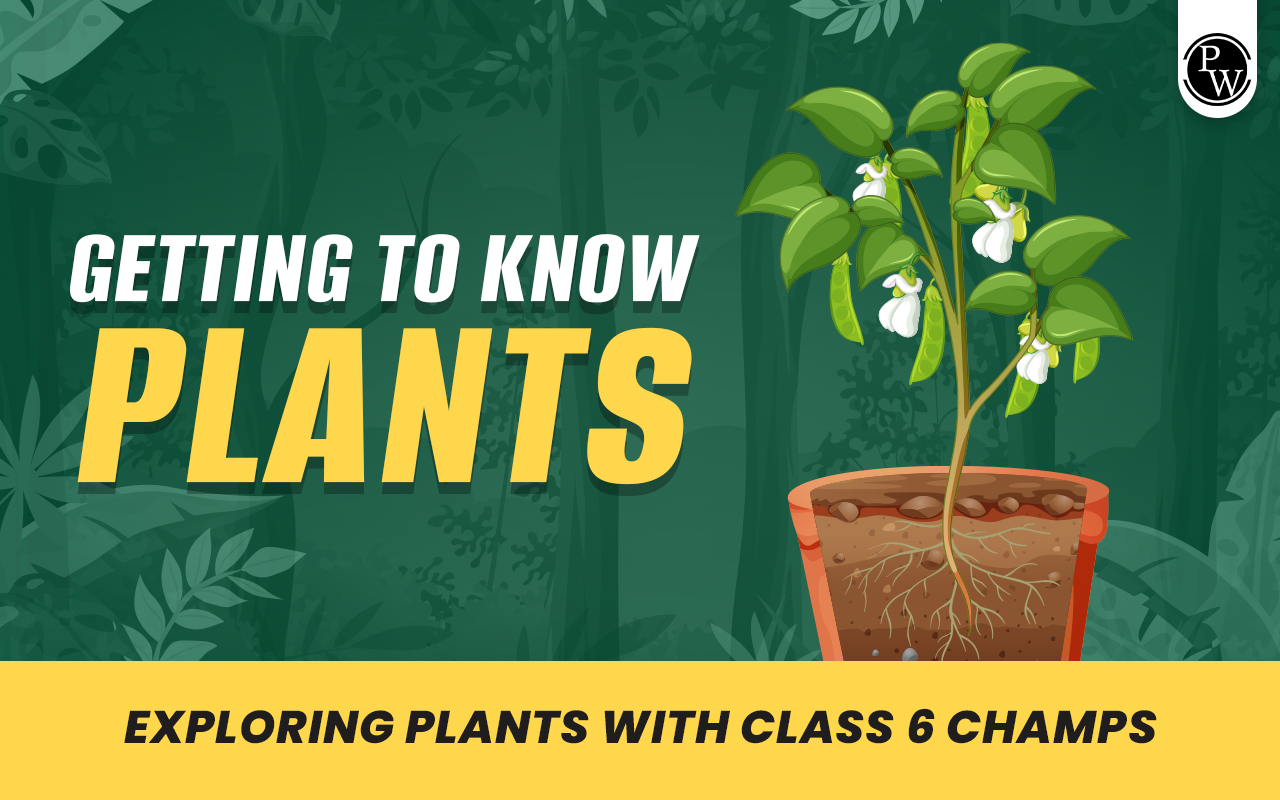
Plants, the silent heroes of our planet, form the foundation of life as we know it. From producing the oxygen we breathe to providing us with food, they play an integral role in maintaining the delicate balance of our ecosystems. However, how well do we truly understand these remarkable organisms that surround us?
In this blog, we will talk about plants, exploring their diverse forms, intricate anatomy, growth processes, interactions with the environment, and the profound impact they have on our well-being.Getting To Know Plants
Getting to Know Plants are incredibly remarkable and vital to life on Earth. They have a significant impact on our environment. From majestic trees in lush forests to humble mosses clinging to rocks, the plant kingdom is diverse and fascinating. Each species has evolved to thrive in specific environments, contributing to the delicate balance of our planet's ecosystems.Herbs, Shrubs And Trees
Herbs, Shrubs the smallest of the three, are non-woody plants that often exhibit rapid growth and delicate leaves. They include culinary essentials like basil, thyme, and mint, adding flavors and aromas to cuisines worldwide. Additionally, herbs often possess medicinal properties, with remedies drawn from traditional practices and modern research alike. Shrubs, a bridge between herbs and trees, are woody plants of moderate size. They bring structure to landscapes, forming hedges, windbreaks, and habitats for wildlife. Shrubs like lavender, for instance, charm with their blossoms and fragrance while enduring diverse climatic conditions. Trees, the giants of the plant world, are vital for the health of the planet. They sequester carbon dioxide, provide oxygen, offer shade, and create habitats for countless species. From the towering redwoods to the elegant cherry blossoms, trees captivate us with their majesty and symbolism.Creepers And Climbers
Creepers are plants that grow horizontally along the ground or other surfaces, using specialized structures to root and spread. These plants are often found in forest undergrowth, meadows, and rocky terrains, where they compete with taller vegetation for resources. Unlike other plants that immediately shoot upwards, creepers take a more patient approach, making the most of the resources available at ground level. One common type of creeper is the prostrate creeper. These low-growing plants have flexible stems that sprawl across the ground, producing roots at various points to anchor themselves and absorb nutrients. Creeping thyme and creeping Jenny are examples of prostrate creepers known for their ornamental value in gardens. Climbers, on the other hand, are plants that use various mechanisms to attach themselves to vertical surfaces and grow upwards. Their goal is to access sunlight in the canopy or to reach open spaces where they can flourish without being overshadowed. They have evolved an array of adaptations to achieve this, ranging from twining tendrils to adhesive pads.Leaf
Leaf are incredible parts of plants that play a big role in their growth and survival. They come in many different shapes, sizes, and colors, and they have some fascinating features that help plants live and grow. Parts of a Leaf- Leaf Blade: The leaf blade is the flat, green part of the leaf that you can see. It's like the "body" of the leaf and is responsible for making food for the plant through a process called photosynthesis. This is when the leaf uses sunlight, carbon dioxide from the air, and water from the roots to create energy for the plant.
- Veins: Just like we have veins in our bodies to carry blood, leaves have veins to carry water, nutrients, and the food produced during photosynthesis. Veins are like the plant's transportation system.
- Petiole: The petiole is like the leaf's stem. It attaches the leaf blade to the plant's stem and helps hold the leaf up so it can catch the sunlight it needs.
- Stipules: Stipules are tiny, often overlooked structures found at the base of the petiole. They come in various shapes and sizes and can sometimes look like small leaves themselves.
- Midrib: The midrib is the central vein that runs down the middle of the leaf blade. From the midrib, smaller veins branch out to reach every part of the leaf, delivering water and nutrients.
- Margin: The margin is the outer edge of the leaf blade. Some leaves have smooth margins, while others might be serrated (with little jagged edges) or have other interesting patterns.
- Cuticle: The cuticle is like a thin, waxy layer that covers the leaf's surface. It helps the leaf retain moisture and protects it from drying out.
- Epidermis: The epidermis is the outermost layer of cells on the leaf's surface. It acts as a barrier against pests and diseases.
- Pores: Pores called stomata are tiny openings on the leaf's surface that allow gases like carbon dioxide and oxygen to enter and exit the leaf. They also help control the leaf's water balance.
- Colorful Pigments: Leaves aren't just green – they can be red, orange, yellow, and even purple! These colors come from special pigments that are present in the leaves.
Transpiration
Transpiration, a vital biological process, plays a crucial role in the growth, development, and survival of plants. It is an integral part of the water cycle and involves the movement of water vapor from plant tissues to the atmosphere. Various environmental factors and physiological mechanisms within plants drive the process of transpiration, contributing to their overall health and ecosystem regulation.Photosynthesis
Just like how we eat food for energy, plants use sunlight to make their own food. Isn't that cool? They do this through a special process called photosynthesis .How Does Photosynthesis Work?
Imagine plants as tiny chefs with green aprons. Instead of cooking in a kitchen, they cook their food using sunlight, water, and air. Here's how they do it:- Sunlight: Plants use their leaves to soak up sunlight. They have a special green pigment called chlorophyll that helps them catch the sunlight.
- Water: Plants also drink water from the ground through their roots. It's like their water bottle.
- Air: Just like we breathe air, plants also use a part of the air called carbon dioxide. They take it in through tiny openings called stomata on their leaves.
Root
Plant roots are vital components of a plant's anatomy, hidden beneath the soil's surface but playing an important role in its overall health and growth. These underground structures anchor the plant, providing stability against wind and erosion. They also absorb water and essential nutrients from the soil, facilitating the process of photosynthesis and energy production. Beyond their physiological functions, roots engage in intricate symbiotic relationships with fungi and bacteria, enhancing nutrient uptake and soil health. In essence, plant roots are the foundation that supports the entire plant's well-being, making them an indispensable aspect of the botanical world. There are several types of roots:- Taproots: These are large, central roots that grow vertically into the soil. They provide stability to the plant and are often used for food storage. Plants with taproots include carrots, radishes, and dandelions.
- Fibrous Roots: These are numerous small, branching roots that spread out horizontally in the soil. They are common in grasses and help in soil stabilization and nutrient absorption.
- Adventitious Roots: These roots develop from non-root tissues, such as stems or leaves. They can arise from various parts of the plant and serve functions like support and anchorage. Aerial roots and prop roots are examples of adventitious roots.
- Aerial Roots: These roots grow above the ground and help plants attach to surfaces. Epiphytic plants like orchids often have aerial roots that aid in moisture absorption.
Root Modifications
Roots can undergo modifications to adapt to specific environments or perform specialized functions. Some common root modifications include:- Storage Roots: Some plants store excess nutrients or water in their roots. For instance, sweet potatoes have enlarged, tuberous roots that store carbohydrates.
- Prop Roots: These roots grow from the lower nodes of the stem and provide additional support to tall plants. Maize (corn) plants often exhibit prop roots.
- Pneumatophores: Found in plants growing in waterlogged soils, pneumatophores are specialized aerial roots that emerge above the water surface to facilitate oxygen uptake.
- Contractile Roots: Certain plants like bulbs and corms have contractile roots that pull the plant deeper into the soil as they contract, protecting them from environmental stressors.
- Haustorial Roots: Parasitic plants like mistletoe and dodder possess haustorial roots that penetrate into the host plant's tissues to extract water and nutrients.
Stems
Plant stems are crucial structures that support leaves, flowers, and fruits, while also facilitating the transport of nutrients, water, and sugars throughout the plant. Composed of various tissues like xylem and phloem, stems enable upward growth towards light and downward anchoring into the soil. They exhibit remarkable adaptability, with modifications like runners, rhizomes, and stolons aiding in propagation. The stem's diverse forms also contribute to ecological roles, from storing nutrients in tubers to protecting against herbivores with thorns. As an emblem of resilience and growth, plant stems symbolize nature's ingenuity in sustaining life and enriching ecosystems.Flower
Flowers, those enchanting symbols of beauty and life, have captivated human hearts for centuries. They come in a myriad of shapes, sizes, and colors, each species flaunting its unique allure. Beyond their aesthetic appeal, flowers play an essential role in the reproduction of plants and the balance of ecosystems.Parts of a Flower
- Petals: The petals are perhaps the most noticeable part of a flower. They are often vividly colored, attracting pollinators like bees, butterflies, and birds. Petals come in various forms, from simple and delicate to complex and ruffled, each adapted to attract specific pollinators.
- Sepals: Sepals are the small, leaf-like structures that encase the developing bud before it blooms. While they are not as vibrant as petals, they serve a protective role, shielding the delicate inner parts of the flower during their initial growth stages.
- Stamens: The stamens are the male reproductive organs of the flower. Each stamen comprises a slender filament topped by an anther, which contains pollen grains. When the flower is ready for pollination, these pollen grains are released and carried by the wind or pollinators to the female parts of other flowers.
- Pistil (Carpel): The pistil is the female reproductive organ of the flower. It consists of three main parts: the stigma, style, and ovary. The stigma is often sticky to catch pollen, the style connects the stigma to the ovary, and the ovary houses the ovules, which eventually develop into seeds upon fertilization.
- Nectar Glands: Nectar glands are small structures that produce nectar, a sugary liquid. Nectar serves as a reward for pollinators, encouraging them to visit the flower and inadvertently transfer pollen from one flower to another, leading to fertilization.
- Receptacle: The receptacle is the base of the flower where all the floral parts are attached. It provides support and serves as a connection point between the flower and the stem.
- Pedicel: The pedicel is the stalk that connects the flower to the stem. It allows the flower to sway in the breeze and adjust its position to optimize exposure to sunlight and pollinators.
- Ovules: Ovules are the structures contained within the ovary that, when fertilized, develop into seeds. Each ovule has the potential to become a seed if fertilization occurs.
Reproduction in Flowering Plants
Reproduction in flowering plants involves intricate processes that ensure species survival. It can be classified into sexual and asexual modes. Sexual reproduction entails pollination, where pollen transfers from anther to stigma, followed by fertilization, leading to seed formation. Insects, wind, or other agents aid in pollination. Asexual reproduction includes methods like vegetative propagation, where new plants sprout from existing ones, often via runners or cuttings. Flowering plants exhibit a remarkable diversity in reproductive strategies, adapting to various environments and ensuring genetic variability for resilience. This intricate dance of pollinators, pollen, and seeds underpins the beauty and bounty of Earth's botanical landscape.Seeds
Seeds are nature's ingenious packets of life, containing the potential for the continuation and diversification of plant species. These tiny marvels hold within them the blueprint for growth, ensuring the survival of plants in the most varied and challenging environments.Anatomy of a Seed
A seed is a complex structure consisting of several essential parts, each playing a crucial role in its development and eventual germination:- Seed Coat: The outer layer of the seed, known as the seed coat or testa, acts as a protective barrier. It shields the embryo from physical damage, pathogens, and environmental stressors. The seed coat can vary greatly in texture and thickness, depending on the plant species.
- Embryo: The heart of the seed, the embryo, contains the potential plant in its earliest stages. It comprises the primary root (radicle), the embryonic shoot (plumule), and one or more cotyledons, which are the seed leaves.
- Endosperm: Some seeds also contain endosperm, a nutrient-rich tissue that surrounds the embryo. This tissue provides an additional source of energy and nutrients for the germinating seedling. It often diminishes as the seedling grows, as the cotyledons take over the role of nourishment.
- Cotyledons: These are the first leaves that appear after germination. They are typically different from the true leaves of the mature plant. Cotyledons not only serve as nutrient storage but also play a crucial role in absorbing and processing light during the early stages of growth.
- Radicle: The embryonic root of the plant emerges first from the seed during germination. This is called a radicle. It anchors the plant into the soil and initiates the absorption of water and nutrients.
- Plumule: The plumule is the precursor to the plant's shoot system. It contains the developing leaves and stems that will grow above the ground.
Food: Fruits and Vegetables
Fruits and vegetables are vital components of plant-derived nutrition, embodying nature's bounty in a colorful array. Fruits, developed from flowering plants' ovaries, encapsulate seeds within delectable packages designed for dispersal. From succulent berries to citrus delights, they offer a cornucopia of vitamins, fiber, and antioxidants. Vegetables, diverse in form and texture, arise from various plant parts like leaves, roots, and stems. Rich in essential minerals, vitamins, and dietary fibers, they fuel our bodies with vitality. Together, these edible gifts from plants not only tantalize your taste buds but also contribute indispensably to a well-balanced and wholesome diet.Final Thoughts
Getting to know plants is a rewarding experience. Understanding their basic needs, growth stages, and benefits enhances our connection with nature. So, let's continue exploring and appreciating the wonders of plants, nurturing our green companions while they contribute to our well-being in countless ways. Are you looking for a fun and educational way to learn about science? Look no further than the Fundo Experiment Kit! This comprehensive kit includes everything you need to perform over 20 experiments related to physics, chemistry, and biology. With step-by-step instructions and clear visuals, the Fundo Experiment Kit is perfect for students of all ages. Order your Fundo Experiment Kit today and start learning science the fun way! Related Links





Talk to a counsellorHave doubts? Our support team will be happy to assist you!


Check out these Related Articles




Join 15 Million students on the app today!
 Live & recorded classes available at easeDashboard for progress trackingMillions of practice questions at your fingertips


Free Learning Resources
PW Books
Notes (Class 10-12)
PW Study Materials
Notes (Class 6-9)
Ncert Solutions
Govt Exams
Our Other Websites
Class 6th to 12th Online Courses
Govt Job Exams Courses
UPSC Coaching
Defence Exam Coaching
Gate Exam Coaching
Other Exams
Know about Physics Wallah
Physics Wallah is an Indian edtech platform that provides accessible & comprehensive learning experiences to students from Class 6th to postgraduate level. We also provide extensive NCERT solutions, sample paper, NEET, JEE Mains, BITSAT previous year papers & more such resources to students. Physics Wallah also caters to over 3.5 million registered students and over 78 lakh+ Youtube subscribers with 4.8 rating on its app.
We Stand Out because
We provide students with intensive courses with India’s qualified & experienced faculties & mentors. PW strives to make the learning experience comprehensive and accessible for students of all sections of society. We believe in empowering every single student who couldn't dream of a good career in engineering and medical field earlier.
Our Key Focus Areas
Physics Wallah's main focus is to make the learning experience as economical as possible for all students. With our affordable courses like Lakshya, Udaan and Arjuna and many others, we have been able to provide a platform for lakhs of aspirants. From providing Chemistry, Maths, Physics formula to giving e-books of eminent authors like RD Sharma, RS Aggarwal and Lakhmir Singh, PW focuses on every single student's need for preparation.
What Makes Us Different
Physics Wallah strives to develop a comprehensive pedagogical structure for students, where they get a state-of-the-art learning experience with study material and resources. Apart from catering students preparing for JEE Mains and NEET, PW also provides study material for each state board like Uttar Pradesh, Bihar, and others
Copyright © 2026 Physicswallah Limited All rights reserved.