






Obesity, Symptoms, Prevention, Treatment, Causes and Diagnosis
Obesity is a complex, chronic disease with several causes that result in excess body fat and, in some cases, poor health. The article below discusses obesity symptoms, prevention, treatment, causes, and diagnosis.
 Krati Saraswat5 Dec, 2023
Share
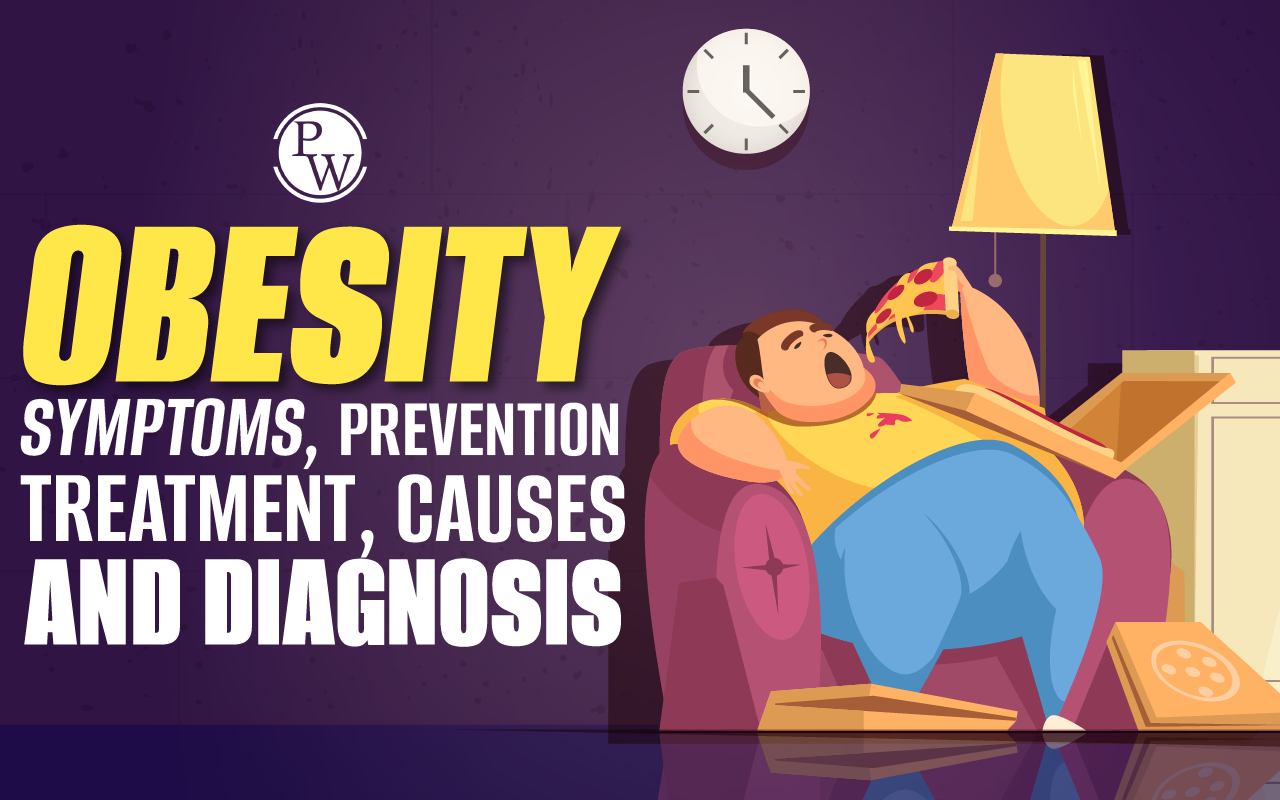
Obesity : Obesity is a medical condition characterized by the excessive accumulation of body fat. It is leading to negative effects on health. It is often determined by the body mass index (BMI), calculated using weight and height. Lifestyle factors, including nutrition, exercise, genetics, and environment, increase obesity risk.
Obesity raises the risk of diabetes, heart disease, and other chronic illnesses. Management involves a combination of healthy eating, regular exercise, and, in some cases, medical interventions. Obesity Prevention is adopting a balanced lifestyle and raising awareness about maintaining a healthy weight.Obesity Symptoms
Obesity Symptoms are linked to an imbalance between eating too much and not moving enough. While there may not be clear signs just for obesity, your body will show you some symptoms like:- Physical Signs: One of the primary symptoms of obesity is increased body weight and a higher Body Mass Index (BMI). Individuals with obesity often experience fatigue and a notable decrease in stamina. Breathlessness and difficulty during physical exertion are common symptoms of obesity.
- Health Complications: Obesity is linked to various health issues, such as an elevated risk of heart disease, type 2 diabetes, and sleep apnea. Joint pain and musculoskeletal problems are prevalent symptoms arising from the increased strain on the body's structure.
- Psychological Impact: Obesity can have a deep psychological impact, contributing to low self-esteem and concerns about body image.
- Metabolic Changes : It can lead to insulin resistance, a condition that plays a role in developing type 2 diabetes. Dyslipidemia, characterized by abnormal lipid levels in the blood, is another metabolic symptom associated with obesity.
- Sleep Disturbances : Individuals with obesity face an increased risk of sleep apnea, a condition marked by interruptions in breathing during sleep.
- Reproductive Issues : Women with obesity may experience irregular menstrual cycles, impacting reproductive health. In men, obesity is linked to erectile dysfunction and reduced fertility.
- Skin Issues : Obesity can contribute to skin problems, including chafing and infections in excess skin folds.
Obesity Prevention
Preventing obesity is about making healthy choices in your everyday life. By eating well and caring for yourself, you can maintain your health. The detailed guidelines for the prevention of obesity are given below.- Balanced Diet: Prioritize a well-rounded, balanced diet of fruits, veggies, whole grains, and lean proteins. Be conscious of your food choices and reduce sugary drinks, processed foods, and high-calorie snacks.
- Regular Physical Activity: Include regular workouts in your daily routine. Try to get at least 150 minutes of moderate-intense exercise every week.
- Hydration: Drink water to stay hydrated throughout the day. It boosts overall health and helps control cravings.
- Limit Lethargic Behavior: Reduce sedentary time by minimizing screen use. Seek ways to infuse more activity into both work and leisure activities.
- Healthy Eating Habits: Adopt mindful eating, tuning in to hunger and fullness signals. Develop healthy coping mechanisms for stress instead of turning to emotional eating.
- Regular health check-ups : Schedule routine health check-ups to track weight and address emerging health concerns. Collaborate with healthcare professionals to prepare personalized plans for maintaining a healthy weight.
- Community and Family Support: Create a supportive environment at home and in the community, championing healthy habits for all ages.
- Education and Awareness: Spread awareness about the importance of a healthy lifestyle through educational programs and community initiatives. Equip individuals with knowledge on nutrition, physical activity, and the broader impact of lifestyle choices on health.
Obesity Causes
A combination of genetic, environmental, and lifestyle factors causes obesity. Genetic predisposition, unhealthy eating habits, a lack of physical activity, sedentary behaviors, and certain medical conditions contribute to the development of obesity. Environmental factors, such as easy access to high-calorie foods and limited opportunities for physical activity, also play a significant role in the obesity epidemic. Psychological factors, socioeconomic status, and cultural influences can also impact eating behaviors and contribute to weight gain. Understanding these multifaceted causes is crucial for effectively preventing and managing obesity.Obesity Treatment
Obesity Treatment is a complex and multidimensional strategy. The following are the detailed points on obesity treatment.- Lifestyle Modification: Maintain a balanced, nutrient-rich diet that meets individual preferences and nutritional requirements. Include regular physical activity in daily routines and strength training for overall well-being.
- Dietary Interventions: Consult a dietitian to create a personalized meal plan that emphasizes a realistic approach to dietary changes. Focus on calorie restriction and the nutritional quality of food choices, encouraging a healthier relationship with food.
- Physical Activity: Start regularly exercising and diversify workout routines to encompass various forms of physical activity.
- Bariatric Surgery: Bariatric surgery offers a transformative option to alter the digestive system and facilitate weight loss. Comprehensive pre-surgical evaluation and post-surgical follow-up are integral components of this intervention.
- Medical Surveillance: Regular health check-ups are a means to monitor progress, adjust treatment plans, and address emerging health concerns. Healthcare providers play a vital role in coordinating and overseeing the various aspects of the treatment plan.
Obesity Diagnosis
Obesity Diagnosis is a comprehensive process that involves assessing various aspects of an individual's health. The primary methods include:- Body Mass Index: Body Mass Index (BMI) categorizes individuals based on weight and height measurements. Clasrious obesity levels (Class I, II, and III).
- Waist Circumference : Measures waist size to assess body fat distribution. An elevated waist circumference signals abdominal obesity and heightened health risks.
- Health Assessment : A comprehensive health evaluation incorporating medical history and obesity-related conditions. Diagnosing conditions such as cardiovascular illnesses, hypertension, and type 2 diabetes is essential.
- Discussion and Evaluation : Facilitates open communication between individuals and healthcare providers. In-depth discussions contain lifestyle, dietary habits, and physical activity for evaluation.
- Laboratory Tests: Blood tests may be conducted to measure metabolic health and identify potesifies underweight, normal weight, overweight, and vantial obesity-related complications.

How can Overweight and Obesity be Reduced?
Preventing being too heavy and unhealthy, along with related diseases, is something you can control. It is essential to make it simple for consumers to choose healthier options. Individuals can help by limiting their sugar and fat intake, eating more fruits and vegetables, and exercising regularly. But it's not just up to individuals. The whole community must make it possible for everyone, especially those with fewer resources, to live a healthy life. This can include making rules, like taxing sugary drinks. Companies that make food also have a big role. They can make their products with less fat, sugar, and salt. They should make healthy food affordable and available for everyone. They should also be careful about advertising unhealthy food, especially to kids. And in workplaces, they should support healthy food options and activities.Obesity FAQs
How is childhood obesity assessed?
Childhood obesity is assessed using the BMI percentile for age and sex, calculated by dividing weight in kilograms by the square of height in meters.
How common is obesity globally?
Obesity is prevalent worldwide, with over 1.9 billion overweight adults and 650 million obese adults, according to WHO data.
What health impacts does obesity have on the body?
Obesity increases the risk of heart disease, type 2 diabetes, certain cancers, musculoskeletal disorders, and mental health conditions like depression and anxiety.
What factors contribute to extreme obesity?
Extreme obesity results from a combination of genetic, environmental, and lifestyle factors, including unhealthy eating habits and sedentary behavior.
How can obesity be reduced?
Obesity reduction involves a holistic approach, including a balanced diet, regular exercise (at least 150 minutes per week for adults), and behavioral changes with professional support when needed.
🔥 Trending Blogs


Talk to a counsellorHave doubts? Our support team will be happy to assist you!


Check out these Related Articles










Join 15 Million students on the app today!
 Live & recorded classes available at easeDashboard for progress trackingMillions of practice questions at your fingertips


Free Learning Resources
PW Books
Notes (Class 10-12)
PW Study Materials
Notes (Class 6-9)
Ncert Solutions
Govt Exams
Class 6th to 12th Online Courses
Govt Job Exams Courses
UPSC Coaching
Defence Exam Coaching
Gate Exam Coaching
Other Exams
Know about Physics Wallah
Physics Wallah is an Indian edtech platform that provides accessible & comprehensive learning experiences to students from Class 6th to postgraduate level. We also provide extensive NCERT solutions, sample paper, NEET, JEE Mains, BITSAT previous year papers & more such resources to students. Physics Wallah also caters to over 3.5 million registered students and over 78 lakh+ Youtube subscribers with 4.8 rating on its app.
We Stand Out because
We provide students with intensive courses with India’s qualified & experienced faculties & mentors. PW strives to make the learning experience comprehensive and accessible for students of all sections of society. We believe in empowering every single student who couldn't dream of a good career in engineering and medical field earlier.
Our Key Focus Areas
Physics Wallah's main focus is to make the learning experience as economical as possible for all students. With our affordable courses like Lakshya, Udaan and Arjuna and many others, we have been able to provide a platform for lakhs of aspirants. From providing Chemistry, Maths, Physics formula to giving e-books of eminent authors like RD Sharma, RS Aggarwal and Lakhmir Singh, PW focuses on every single student's need for preparation.
What Makes Us Different
Physics Wallah strives to develop a comprehensive pedagogical structure for students, where they get a state-of-the-art learning experience with study material and resources. Apart from catering students preparing for JEE Mains and NEET, PW also provides study material for each state board like Uttar Pradesh, Bihar, and others
Copyright © 2026 Physicswallah Limited All rights reserved.