






Brain Tumor Types, Causes, Symptoms, And Treatment
A brain tumor is an abnormal growth of cells within the brain or central spinal canal. Explore information on brain tumor causes, symptoms, and treatment processes here.
 Dr. Nivedita5 Apr, 2024
Share
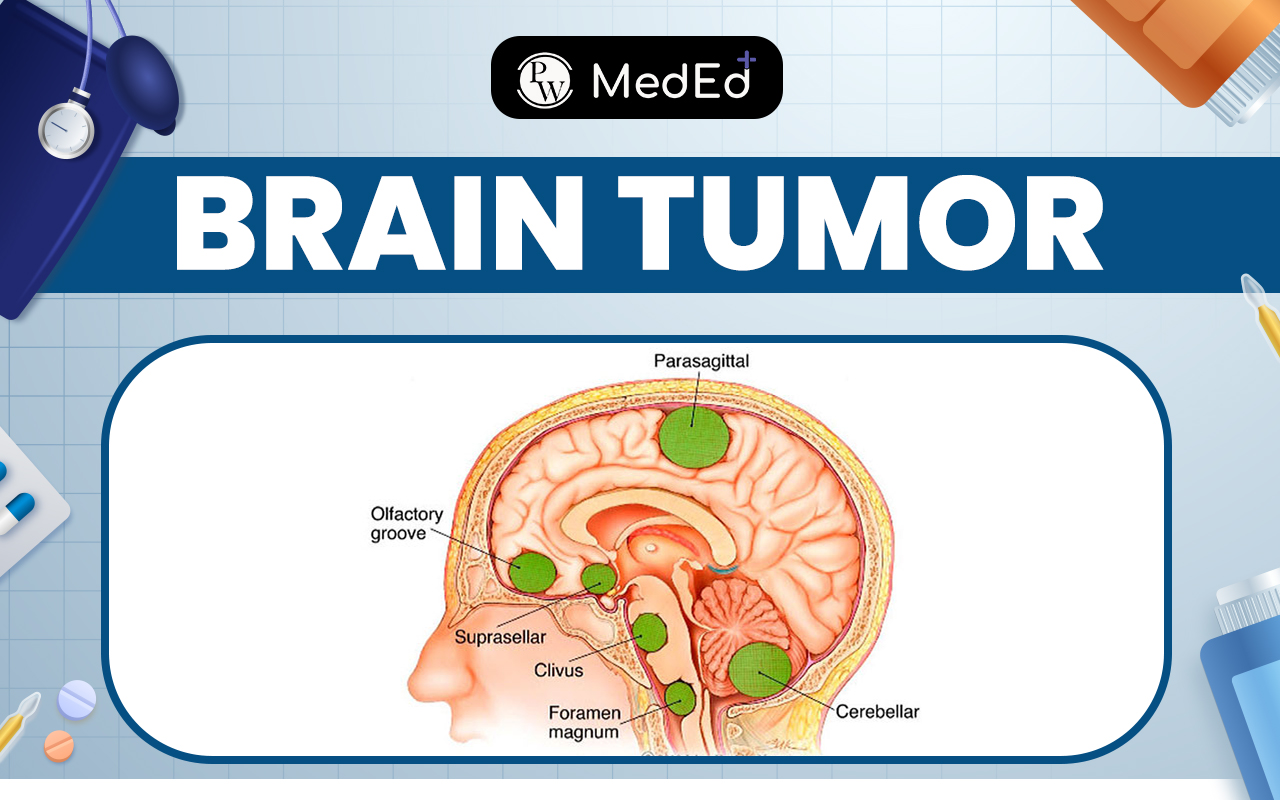
A brain tumor is a mass of cells that grows in or near the brain. It can start in the brain or nearby areas like nerves or glands and can be either cancerous or noncancerous, affecting people of all ages.
If they grow big enough, pressing on nearby tissues can affect how your brain works. Some grow fast, while others grow slowly. Survival rates for it differ depending on the type of tumor and factors like age, race, and health. Treating a brain tumor depends on its type, size, and location. Surgery and radiation therapy are common treatments for brain tumors.Brain Tumor Overview
When tumors, whether cancerous or noncancerous, grow inside your skull, which is a tight space, it can create pressure. This pressure can harm the brain and even be deadly. Further details about it are mentioned below:- A brain tumor is an abnormal growth of cells in or around the brain.
- Brain tumors can be malignant (cancerous) or benign (noncancerous).
- Some tumors overgrow, while others grow slowly.
- About one-third of brain tumors are cancerous.
- Regardless of the cancerous nature, brain tumors can affect brain function and health if they grow large enough to press on surrounding tissues.
- Tumors originating in the brain are called primary tumors, while those that spread to the brain from other body parts are called secondary or metastatic tumors.
Types of Brain Tumors
Brain tumors are of different types depending on the cells they're made of. There are noncancerous ones, called benign tumors, and cancerous ones, known as malignant tumors. The various types of brain tumors include:| Types of Brain Tumors | |
| Brain Tumors Types | Details |
| Gliomas | This type of tumor arises from glial cells, supporting nerve cells in the brain. |
| Choroid plexus tumors | These develop in cells producing cerebrospinal fluid in brain ventricles. |
| Embryonal tumors | These originate from fetal cells in the brain post-birth and are common in infants. |
| Germ cell tumors | These are generated from reproductive cells and are often benign, more common in children. |
| Pineal tumors | These are formed in and around the pineal gland, regulating sleep. |
| Meningiomas | These begin in brain and spinal cord membranes and are mostly benign. |
| Nerve tumors | These are Benign growths in and around nerves, e.g., acoustic neuroma |
| Pituitary tumors | These are located in or near the pituitary gland and are primarily benign. |
Brain Tumor Symptoms
Sometimes, people with minor brain tumors don't feel any symptoms. The signs of a brain tumor can vary based on where it is located in the brain, how big it is, and what type it is. These signs and symptoms can include:- Headaches
- Nausea or vomiting.
- Vision problems like blurry vision or double vision.
- Weakness or numbness in an arm or leg.
- Trouble with balance and coordination.
- Difficulty speaking.
- Feeling very tired.
- Confusion and memory problems.
- Personality or behavior changes.
- Seizures, especially if they're new.
- Hearing problems.
- Dizziness or vertigo.
- Increased appetite and weight gain.
Brain Tumors Causes
Brain tumors happen when certain parts of the brain's cells get damaged and don't work as they should. The details about the cause of brain tumor are mentioned below:- The damaged parts of the brain control how the cells grow, divide, and even stop living.
- When these parts get messed up, the cells start growing quickly and making more cells than they should.
- This creates abnormal cells that occupy space in the brain.
- Sometimes, things like getting a lot of X-rays or past cancer treatments can make this damage worse.
- Few people are born with these damaged parts, making them more likely to get brain tumors.
- Some families have unique genes that can make brain tumors more likely, but this is not very common.
Brain Tumors Diagnosis
Diagnosing a brain tumor can be complicated and may require multiple tests. Sometimes, brain tumors are found incidentally during imaging tests for other medical reasons. The diagnosis details include the following:- If brain tumor symptoms are present, the healthcare provider will conduct a physical exam and ask about symptoms, medical history, medications, surgeries, and family medical history.
- A neurological exam may follow to examine balance, coordination, mental status, hearing, vision, and reflexes, indicating areas affected by the tumor.
- If a brain tumor is suspected, a brain scan or an MRI is suggested for further evaluation.
Tests for Diagnosing Brain Tumor
The various tests include the following given below:- MRI or CT scan : These tests use special machines to create detailed brain images, helping identify tumors. MRI is preferred, but CT is used if MRI isn't possible.
- Biopsy: Doctors may need to remove a small piece of the tumor to examine it under a microscope and determine if it's cancerous. This can be done during surgery or through a small hole in the skull using a needle.
- Spinal tap: A needle collects fluid from the spine, which is then examined for cancer cells, mainly if the tumor has spread to the layers covering the brain.
- Specialized tests: Blood and cerebrospinal fluid tests check fluids released by tumors or gene abnormalities related to certain types of tumors.
Brain Tumor Treatment
There are various treatment options available to treat tumors, but Children's brains are more sensitive to treatments like radiation therapy, which can affect brain development, especially in those under five. Treatment options for tumors may include:- Brain surgery : Surgeons remove the tumor carefully, sometimes while the patient is awake, to protect brain function.
- Radiation therapy: High-energy X-rays are used to shrink or destroy tumor cells.
- Radiosurgery: Focused radiation beams are used to treat the tumor without surgery.
- Brachytherapy: Radioactive implants are placed near the tumor to deliver radiation directly.
- Chemotherapy : Anti-cancer drugs are given through injections or pills to kill tumor cells.
- Immunotherapy : Boosts the body's immune system to fight cancer.
- Targeted therapy: Drugs target specific cancer cell features without harming healthy cells.
Brain Tumor Medications
Medications like mannitol and corticosteroids decrease pressure inside the skull by reducing swelling around the tumor. These drugs help manage symptoms associated with brain tumors by reducing the quantity of fluid and inflammation, which can relieve discomfort and improve overall brain function. When a person finds out having a brain tumor, it can be frightening and stressful. However, not all brain tumors are cancerous. In fact, about two-thirds of them are benign and not cancerous. Even though they're not cancerous, they can still cause issues for your brain. Your healthcare team will create a personalized treatment plan to help manage the tumor and improve your life. Preparing for the NEET PG 2024? Download the PW MedEd app for expert guidance.Brain Tumor FAQs
Are brain tumors hereditary?
About 5 % of brain tumors occur in people with a family history.
Which type of brain tumor is not curable?
Glioblastoma is a type of brain tumor that cannot be cured.
What is the first sign of a brain tumor?
Severe Headaches are usually the first sign of a brain tumor.
Is it possible to self-check your brain tumor?
It's not possible to self-diagnose a brain tumor.


Talk to a counsellorHave doubts? Our support team will be happy to assist you!


Check out these Related Articles








Join 15 Million students on the app today!
 Live & recorded classes available at easeDashboard for progress trackingMillions of practice questions at your fingertips


Free Learning Resources
PW Books
Notes (Class 10-12)
PW Study Materials
Notes (Class 6-9)
Ncert Solutions
Govt Exams
Class 6th to 12th Online Courses
Govt Job Exams Courses
UPSC Coaching
Defence Exam Coaching
Gate Exam Coaching
Other Exams
Know about Physics Wallah
Physics Wallah is an Indian edtech platform that provides accessible & comprehensive learning experiences to students from Class 6th to postgraduate level. We also provide extensive NCERT solutions, sample paper, NEET, JEE Mains, BITSAT previous year papers & more such resources to students. Physics Wallah also caters to over 3.5 million registered students and over 78 lakh+ Youtube subscribers with 4.8 rating on its app.
We Stand Out because
We provide students with intensive courses with India’s qualified & experienced faculties & mentors. PW strives to make the learning experience comprehensive and accessible for students of all sections of society. We believe in empowering every single student who couldn't dream of a good career in engineering and medical field earlier.
Our Key Focus Areas
Physics Wallah's main focus is to make the learning experience as economical as possible for all students. With our affordable courses like Lakshya, Udaan and Arjuna and many others, we have been able to provide a platform for lakhs of aspirants. From providing Chemistry, Maths, Physics formula to giving e-books of eminent authors like RD Sharma, RS Aggarwal and Lakhmir Singh, PW focuses on every single student's need for preparation.
What Makes Us Different
Physics Wallah strives to develop a comprehensive pedagogical structure for students, where they get a state-of-the-art learning experience with study material and resources. Apart from catering students preparing for JEE Mains and NEET, PW also provides study material for each state board like Uttar Pradesh, Bihar, and others
Copyright © 2026 Physicswallah Limited All rights reserved.