







Dyshidrosis Causes, Symptoms, Risk Factors, Diagnosis, And Treatment
Dyshidrosis is a skin condition causing small, itchy blisters on the palms, fingers, and soles, often linked to stress. Learn more about the causes, symptoms, risk factors, and treatment process of dyshidrosis here.
 Nivedita Dar12 May, 2024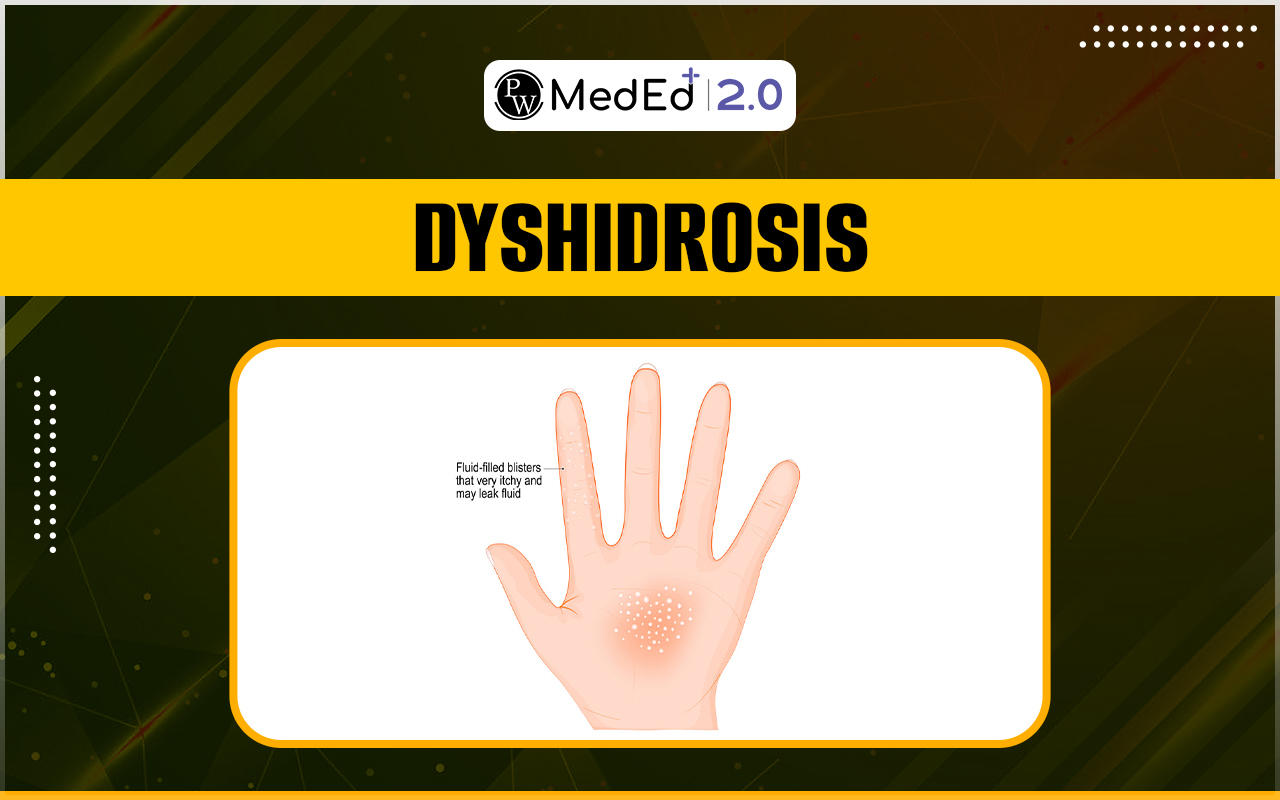
Dyshidrosis is a skin condition characterized by blisters and itchiness. The exact cause of this problem is still unknown, but medical experts suggest that allergies, tension, and sweaty or wet hands and feet can trigger this disease. Prescribed medications, therapies, and in-home care will be the most effective treatments for this problem.
What is Dyshidrosis?
Dyshidrosis, also medically termed dyshidrotic eczema, is a skin disorder manifested as small, fluid-filled blisters that grow on the palms and sides of the fingers. The soles of the feet can occasionally be affected. Blisters might start as little blisters on fingers or spread out to cover more significant portions of the hands and feet. The painful blisters recur frequently and persist for a few weeks.Causes of Dyshidrosis
The specific causes of Dyshidrosis have not been identified. People with some allergic disorders and skin problems are more likely to experience it. Adults between 20 and 40 are the primary age group affected. Several factors, such as:- Hay fever allergies, other types of eczema, or seasonal allergies
- Family history of dyshidrotic eczema
- Exposure to metals at work, such as nickel, cobalt, or chromium salts, or from items like costume jewelry
- Perspiring or damp hands and feet
- Warm and humid environment
- HIV infection
- Some immunoglobulin therapies for weakened immune systems
Symptoms of Dyshidrosis
For months or years, the symptoms of dyshidrotic eczema come and go regularly. These signs could last for a few weeks. The following are the most typical dyshidrotic eczema symptoms:- There are tiny, red, raised blisters on your fingers, palms, and soles.
- These tiny blisters tend to join together and enlarge.
- Pain and irritation in blisters.
- Scaly, itchy skin surrounds the blisters.
- Sweat more in the area of your blisters.
- Blisters that heal can reveal dry, broken skin.
Risk factors for Dyshidrosis
The following factors may make someone more susceptible to dyshidrotic eczema:- Genetic components
- A history of another kind of eczema in one's family or on oneself
- Handling substances like cobalt, nickel, or cement
- An allergy to specific seasons or sinusitis
- Suffering from asthma
- Affected by a skin infection, such as athlete's foot or atopic dermatitis
- Drugs such as aspirin or birth control medicines
- Tobacco use
- Intravenous immunoglobulin (IVIG) infusion
- Excessive physical or emotional stress
Complications of Dyshidrosis
- Most dyshidrosis sufferers find it uncomfortable due to itching.
- Others may find that the blisters on their hands or feet are painful.
- Individuals will need help walking, sleeping, and using their hands for work.
- The likelihood of a bacterial infection of the afflicted skin can result in severe irritation.
- The damaged area's skin color may alter once it heals. It may happen mainly to those with brown or black complexions.
- Others may try to keep their distance from the affected person, which may be emotionally stressful.
Diagnosis of Dyshidrosis
Consult a dermatologist (a physician specializing in skin conditions) if you discover blisters on your hands or feet. Your hands, feet, and nails will all be examined . The doctor will probably examine the damaged skin on your hands and feet and check the nails to diagnose Dyshidrosis. A physician will probably do the following:- Examine your skin to see any pattern where your blisters are located.
- Inquire about applying any new skin care products.
- Find out whether you get into contact with certain kinds of metals.
- Find out if you've ever had eczema or allergies.
- Inquire whether you're under a lot of stress.
- Inquire about your family's medical history for any skin allergies.
- Allergy examination
- Patch test
- Blood tests
- Biopsy
Treatment for Dyshidrosis
In cases of severe dyshidrotic eczema, your doctor may prescribe the following drugs or therapies to help you feel better:- Corticosteroids: This lotion or ointment is recommended to help the blisters heal. Because it is better absorbed by the skin, the treatment region is wrapped in plastic wrap or a moist bandage to allow better absorption by the affected skin. Your doctor can recommend a short course of oral steroids, like prednisone, in extreme cases.
- If other treatments are ineffective, the doctor might advise light therapy. In this process, the afflicted skin is exposed to narrowband UVB rays after being given a sensitizing medication that helps the skin respond better to the light.
- Ointments that decrease immunity: Those who wish to reduce their steroid exposure may find the calcineurin inhibitor tacrolimus (Protopic) useful, relieving swelling and irritation. Don't take this medication along with phototherapy.
- Managing perspiration: Excessive sweating on the palms and soles of the feet may worsen dyshidrosis . Botulinum toxin Injections or antiperspirants may be recommended to reduce sweating and make the skin look better.
Prevention of Dyshidrosis
There is no proven method for the prevention of Dyshidrosis. A good skincare routine and some lifestyle changes can help with skin protection and reduce the risks. The best practices may include:- Avoid direct contact with objects like jewelry, clothes fasteners, or tools with high concentrations of nickel or cobalt.
- For wet activities, use waterproof gloves over cotton gloves.
- Wash your hands with mild, non-soap cleansers and lukewarm water.
- Dry your hands thoroughly.
- Use moisturizer twice a day.
- Put on shoes made of natural materials, such as white cotton socks.
- In dry weather, use a humidifier to prevent skin dryness.
- Steer clear of tobacco and passive smoking.
- Use techniques like deep breathing and meditation to manage your stress.
Dyshidrosis FAQs
Is dyshidrosis contagious?
No, dyshidrosis is not contagious. It can't be spread to other people.
Which age group is most commonly affected by dyshidrosis?
Individuals between 20 and 40 are more susceptible to this disease.
Does dyshidrotic eczema heal on its own?
Dyshidrotic eczema heals on its own within 2–4 weeks.
What are patch tests in connection with dyshidrosis diagnosis?
During these tests, the doctor will apply patches of metal or other substances to the patient's skin to observe how the body responds to them.
Is there a cure for dyshidrotic eczema?
There is no treatment to cure dyshidrosis, as these blisters may recur. However, medication, moisturizers, and proper hygiene can help you control them.

🔥 Trending Blogs


Talk to a counsellorHave doubts? Our support team will be happy to assist you!


Check out these Related Articles







Join 15 Million students on the app today!
 Live & recorded classes available at easeDashboard for progress trackingMillions of practice questions at your fingertips


Free Learning Resources
PW Books
Notes (Class 10-12)
PW Study Materials
Notes (Class 6-9)
Ncert Solutions
Govt Exams
Our Other Websites
Class 6th to 12th Online Courses
Govt Job Exams Courses
UPSC Coaching
Defence Exam Coaching
Gate Exam Coaching
Other Exams
Know about Physics Wallah
Physics Wallah is an Indian edtech platform that provides accessible & comprehensive learning experiences to students from Class 6th to postgraduate level. We also provide extensive NCERT solutions, sample paper, NEET, JEE Mains, BITSAT previous year papers & more such resources to students. Physics Wallah also caters to over 3.5 million registered students and over 78 lakh+ Youtube subscribers with 4.8 rating on its app.
We Stand Out because
We provide students with intensive courses with India’s qualified & experienced faculties & mentors. PW strives to make the learning experience comprehensive and accessible for students of all sections of society. We believe in empowering every single student who couldn't dream of a good career in engineering and medical field earlier.
Our Key Focus Areas
Physics Wallah's main focus is to make the learning experience as economical as possible for all students. With our affordable courses like Lakshya, Udaan and Arjuna and many others, we have been able to provide a platform for lakhs of aspirants. From providing Chemistry, Maths, Physics formula to giving e-books of eminent authors like RD Sharma, RS Aggarwal and Lakhmir Singh, PW focuses on every single student's need for preparation.
What Makes Us Different
Physics Wallah strives to develop a comprehensive pedagogical structure for students, where they get a state-of-the-art learning experience with study material and resources. Apart from catering students preparing for JEE Mains and NEET, PW also provides study material for each state board like Uttar Pradesh, Bihar, and others
Copyright © 2026 Physicswallah Limited All rights reserved.