







Osteoarthritis Types, Causes, Symptoms, Diagnosis
Osteoarthritis is a chronic joint disease. It occurs when the cartilage in a joint gradually deteriorates, and the underlying bone undergoes changes. Find more about the causes, types, and symptoms of Osteoarthritis here.
 Nivedita Dar29 Apr, 2024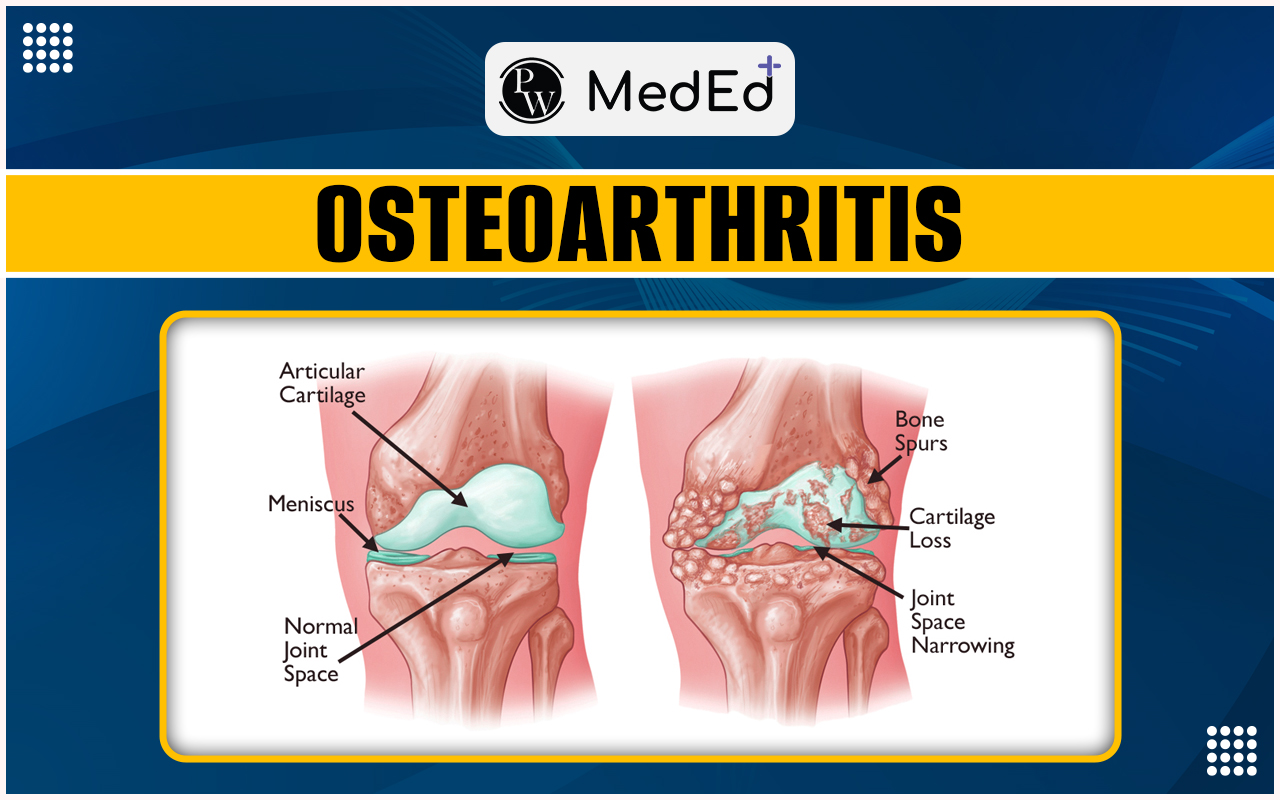
Osteoarthritis is a type of arthritis that affects your joints. It's often called a degenerative joint disease by doctors. It occurs when the cushioning cartilage in your joints wears away gradually, causing your bones to rub against each other when you move those joints.
This disease can make your joints hurt and feel stiff, but there are ways to help you feel better, like taking certain medicines, changing your lifestyle, or even having surgery. Your doctor will help you find the right mix of treatments to help you feel better.What is the Meaning of Osteoarthritis?
In healthy joints, there's a protective layer of smooth cartilage at the ends of the bones, acting like a cushion and helping them move quickly. However, in osteoarthritis, this cartilage breaks down over time, causing the bones to rub against each other when the joint moves. This leads to pain, stiffness, and sometimes swelling in affected areas. Osteoarthritis can happen in any joint, but it's most common in the hands, knees, hips, neck, and lower back.Two Types of Osteoarthritis
Osteoarthritis is very common, especially in older adults. It's estimated that over 80% of individuals above 55 years are affected. There are two types of Osteoarthritis conditions mentioned in the table below:| Two Types of Osteoarthritis | |
| Osteoarthritis Types | Details |
| Primary Osteoarthritis | This is the most common form, gradually developing in your joints over time. It's often caused by the wear and tear of using your joints throughout your life. |
| Secondary Osteoarthritis | This type occurs when something directly harms one of your joints, leading to osteoarthritis. Injuries, traumas, and other types of arthritis can cause this condition. |
Symptoms of Osteoarthritis
The signs of osteoarthritis can change based on how bad it is and which part of your body it's affecting. The typical symptoms of osteoarthritis are:- Feeling pain in a joint, especially when you move it.
- Feeling stiff, like it's hard to move the joint.
- Seeing swelling near the joint.
- Not being able to move the joint as much as usual.
- Feeling like the joint isn't as solid or steady as it used to be.
- The joint looks different; it may be swollen or distorted.
Causes of Osteoarthritis
Osteoarthritis often develops as you age. Over time, the daily use of your joints can lead to the breakdown of the cartilage that cushions them. The common causes include the following:- Normal Wear and Tear: Wear and tear can contribute to the development of osteoarthritis.
- Direct Joint Damage: Anything that directly harms your joints can cause osteoarthritis. This includes injuries from sports, falls, or car accidents. When a joint is injured, it can disrupt the typical structure and function of the joint, leading to the onset of osteoarthritis.
- Underlying Health Conditions: Certain health conditions that affect the joints can also increase the risk of developing osteoarthritis. Conditions like joint hypermobility syndrome can weaken the joints and make them more prone to damage, accelerating the development of osteoarthritis.
- Other Types of Arthritis: Some forms, particularly inflammatory arthritis, can lead to secondary osteoarthritis. Conditions like rheumatoid arthritis, gout, and psoriatic arthritis can cause inflammation and damage to the joints, eventually leading to osteoarthritis as a secondary consequence of the initial arthritis condition.
Osteoarthritis Risk Factors
Osteoarthritis can affect anyone, but it's more common in adults over 55 and those who have gone through menopause. Below are the specific health conditions that increase the risk of this disease.- Obesity or being overweight (having a high BMI).
- Diabetes.
- High cholesterol (hyperlipidemia).
- Some autoimmune diseases that affect the joints.
Stages of Osteoarthritis
Osteoarthritis worsens over time and can be split into four stages based on how bad your symptoms are and how much damage your joints and cartilage are. Here are the simplified points about the stages of osteoarthritis:- Stage 1 (Mild): Early symptoms, but the cartilage is still okay.
- Stage 2 (Moderate): More pain and signs of cartilage wear.
- Stage 3 (Advanced): Constant symptoms, cartilage almost gone, and pain with weight on the joint.
- Stage 4 (Severe): Pain, stiffness, and other symptoms like decreased motion and joint instability. Surgery may be needed at this stage to improve symptoms and mobility.
Osteoarthritis Diagnosis
Osteoarthritis develops slowly and can be tricky to diagnose early on. A healthcare provider will begin by asking about your symptoms and medical history and then do a physical exam. The other diagnosis methods include the following:- Imaging tests like X-rays or MRI scans to see the condition of your joints more clearly.
- Blood tests or fluid analysis from the joint may be done to rule out other conditions that cause joint pain or inflammation, like rheumatoid arthritis or gout.
Treatment for Osteoarthritis
Treatments for osteoarthritis focus on managing symptoms, as there's no cure or way to regrow cartilage. Common treatments include:- Medication: Pain relievers can help with pain and inflammation.
- Exercise: Moving joints helps reduce stiffness and strengthens muscles.
- Supportive devices: Shoe inserts, braces, canes, or walkers can support and stabilize joints.
- Heat and cold therapies: Applying heat or cold can ease pain and stiffness.
- Complementary therapy: Options like acupuncture, massage, or meditation can complement other treatments.
- Surgery: Reserved for severe cases where other treatments haven't helped; it may involve joint replacement.
Complications of Osteoarthritis
If not treated, osteoarthritis can cause many problems for your body, mind, and emotions. It can make your joints stiff, making it hard to balance and move around, increasing your chances of falling and getting hurt. Other complications include:- Trouble sleeping
- Gaining weight because it hurts to move
- Feeling anxious or depressed
- Bone death (osteonecrosis)
- Wearing away of ligaments and tendons
- Minor fractures from too much pressure
- Bleeding near the joints
Tips for Easy Living with Osteoarthritis
To ease living with osteoarthritis, considering these tips makes your work easy. Here are some helpful tips:- Adjust your routine to manage symptoms.
- Modify activities depending on symptom severity.
- Seek help from an occupational therapist.
- Use adaptive tools like jar grips.
- Learn safe techniques for hobbies and sports.
- Get tips to reduce joint pain during flare-ups.
Osteoarthritis FAQs
Can I exercise with arthritis?
Regular exercise is essential to strengthen joints and muscles and support joints.
What are the most common findings in Osteoarthritis?
Muscle weakness and impairment of movement are the most common findings in osteoarthritis.
What is the newest treatment for osteoarthritis?
A new drug called talarozole may help boost levels of retinoic acid in the body.
What is the best pain relief for osteoarthritis?
Nonsteroidal anti-inflammatory drugs (NSAIDs) are the best pain relief option for osteoarthritis.



Talk to a counsellorHave doubts? Our support team will be happy to assist you!


Check out these Related Articles










Join 15 Million students on the app today!
 Live & recorded classes available at easeDashboard for progress trackingMillions of practice questions at your fingertips


Free Learning Resources
PW Books
Notes (Class 10-12)
PW Study Materials
Notes (Class 6-9)
Ncert Solutions
Govt Exams
Our Other Websites
Class 6th to 12th Online Courses
Govt Job Exams Courses
UPSC Coaching
Defence Exam Coaching
Gate Exam Coaching
Other Exams
Know about Physics Wallah
Physics Wallah is an Indian edtech platform that provides accessible & comprehensive learning experiences to students from Class 6th to postgraduate level. We also provide extensive NCERT solutions, sample paper, NEET, JEE Mains, BITSAT previous year papers & more such resources to students. Physics Wallah also caters to over 3.5 million registered students and over 78 lakh+ Youtube subscribers with 4.8 rating on its app.
We Stand Out because
We provide students with intensive courses with India’s qualified & experienced faculties & mentors. PW strives to make the learning experience comprehensive and accessible for students of all sections of society. We believe in empowering every single student who couldn't dream of a good career in engineering and medical field earlier.
Our Key Focus Areas
Physics Wallah's main focus is to make the learning experience as economical as possible for all students. With our affordable courses like Lakshya, Udaan and Arjuna and many others, we have been able to provide a platform for lakhs of aspirants. From providing Chemistry, Maths, Physics formula to giving e-books of eminent authors like RD Sharma, RS Aggarwal and Lakhmir Singh, PW focuses on every single student's need for preparation.
What Makes Us Different
Physics Wallah strives to develop a comprehensive pedagogical structure for students, where they get a state-of-the-art learning experience with study material and resources. Apart from catering students preparing for JEE Mains and NEET, PW also provides study material for each state board like Uttar Pradesh, Bihar, and others
Copyright © 2026 Physicswallah Limited All rights reserved.