
Ajay Sandhu UPSC Success Story: From Setbacks to Success with Consistent Preparation and PW Mentorship
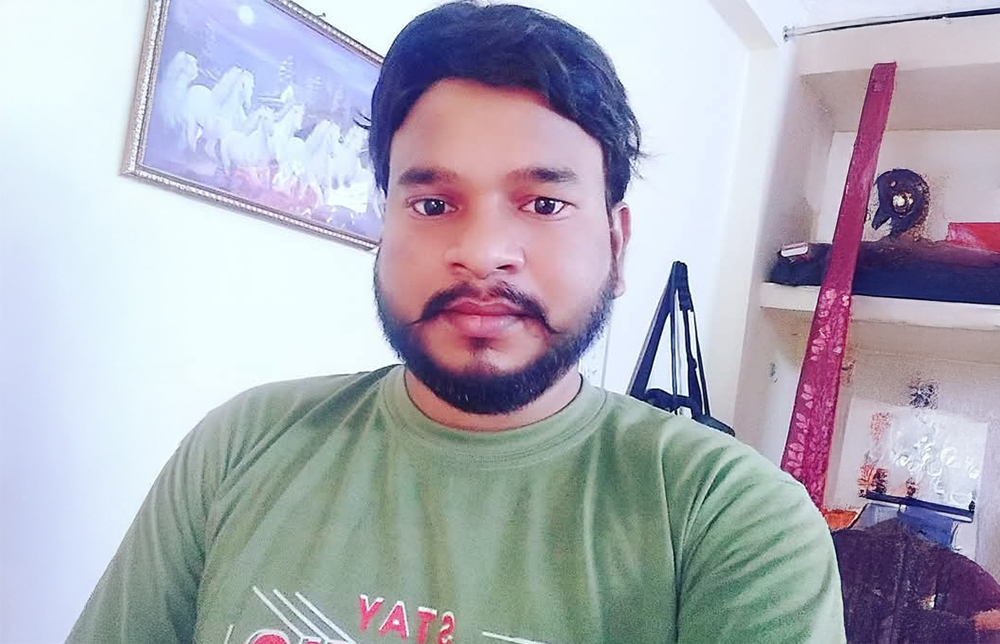
Preparing for the UPSC Civil Services Examination can require candidates to appear for multiple stages and attempts. For Ajay Sandhu, the journey included the disappointment of the 2024 attempt, support from his family and a fresh effort in 2025.
His experience also shows how changing preparation strategies at different stages can make a difference. From selecting core subjects for Prelims to preparing introductions and conclusions for Mains answers, Ajay followed a structured approach. Later, his association with PW helped him work on interview preparation through mentorship.
How Ajay Sandhu Continued After the 2024 Setback
Ajay’s UPSC preparation was not a straight path. He had reached the final stage before, but the journey became difficult after his 2024 failure. At one point, he felt that he might not be able to attempt the examination again.
“2024 ka failure dekhne ke baad jo 2025 wala attempt tha wo sabse mushkil tha.”
The support of his parents, brother, friends, and girlfriend helped him continue preparing for another attempt.
“Papa mummy bhai ke support ki wajah se maine 2025 ka attempt poori mehnat ke saath diya aur finally rank secure kar liya.”
This phase became an important turning point in Ajay’s journey. Instead of stopping after the setback, he returned to preparation and gave the 2025 attempt with renewed effort.
Ajay Sandhu’s Approach to Balancing Preparation and Personal Life
While preparing for a demanding examination, Ajay did not completely separate himself from family and friends. He believed that focused study could be combined with time for personal life.
“Mujhe lagta hai apna kaam karo. 8 se 10 ghante ki padhai karo. Jo bachta hai time usmein enjoy karo. Full enjoy karo.”
He explained that he used to spend time in the library from 8 to 8 and then interacted with friends, spent time with his girlfriend and talked to his parents.
“Full time padhai karo aur uske baad jo time bachta tha full enjoy karo.”
However, he also recognised that certain phases required greater focus. According to him, the period between Prelims and Mains needed distractions to be kept away, while he did not follow the same restriction during Prelims and Interview preparation.
How Ajay Sandhu Prepared for UPSC Prelims
As Ajay progressed through his preparation, he developed a separate strategy for different stages of the examination. For Prelims, he identified certain subjects as his core areas.
“Aapke na kuch core subjects hone chahiye. Sabke aap master nahi ho sakte. Aapko kuch core subject lene hain aur kuch mein aapko journalist banna hai.”
Ajay selected Geography, Modern History and Polity as his core subjects. He also focused strongly on Previous Year Questions (PYQs), repeated revision and tests.
“PYQs ko solve karo multiple times, revision karo, bahut saare test do aur un test ko bhi baar-baar revise karo.”
He also made notes of mistakes from tests. For example, he identified errors caused by not reading all statements carefully and used those mistakes to improve his approach.
How Ajay Sandhu Changed His UPSC Mains Strategy
After his 2024 experience, Ajay identified answer writing as an area where he needed to make changes. He worked on preparing introductions and conclusions in advance for different themes.
“Mains mein answer writing bahut zyada zaroori hai.”
He prepared possible introductions and conclusions around themes such as Buddhism, Jainism, public service and political thinkers. This allowed him to enter the examination with a more organised answer-writing approach.
“Maine pehle se hi bana ke rakh liye the. Buddhism Jainism pe question aayega, mere paas intro aur conclusion ready hai.”
This change formed an important part of his preparation for the Mains stage after his previous experience.
How PW Mentorship Helped Ajay Sandhu Prepare for the Interview
After completing his Mains examination, Ajay associated with PW batches for his Interview preparation. He had faced a difficult experience in his previous interview, which made interview preparation an important focus for him.
“Is saal main PW ke saath associate ho gaya tha apne Mains ke baad.”
Through PW’s mentorship, Ajay worked on interaction and conversation skills. He also received help in understanding how to structure and answer questions during interview preparation.
“Mentorship jo hai PW mein usmein interaction karni hoti hai. Aapki conversation skills improve ho jaati hain.”
Ajay said that the mentorship helped him understand how to structure answers to questions asked during interactions. He considered this support particularly useful for his Interview preparation.
Ajay Sandhu’s Advice on Using AI During UPSC Preparation
Ajay also discussed the role of Artificial Intelligence in UPSC preparation. He differentiated between its use during Prelims and Mains and its use during Interview preparation.
“Main interview ki stage mein Artificial Intelligence ko support karta hoon kyunki wo bahut hi structured answer dete hain.”
For Prelims and Mains, he preferred Google search because it could lead to additional information beyond a direct answer. For Interview preparation, however, he said he used AI tools extensively.
He suggested using AI to connect different themes and remember important keywords rather than simply asking it to provide complete answers.
“Divide it into themes. Un themes ke interlinkages aap AI se poochhein. Keywords yaad karein.”
For Ajay, this approach could help reduce the time spent on certain preparation tasks while keeping the focus on understanding connections between themes.
What Ajay Sandhu’s UPSC Journey Shows Aspirants
Ajay Sandhu’s UPSC journey moved through setbacks, renewed preparation, changes in strategy and interview-focused mentorship. His experience highlights the importance he placed on learning from previous attempts and adjusting preparation according to the requirements of Prelims, Mains and Interview.
His story also shows that preparation can involve support from family, structured study, repeated practice and guidance at different stages. His association with PW during the Interview preparation phase added mentorship and interaction-based preparation to his journey.
For aspirants, Ajay’s experience offers a realistic view of a preparation journey that included failure, another attempt and changes in strategy rather than a single uninterrupted path to success.




 Live & recorded classes available at easeDashboard for progress trackingMillions of practice questions at your fingertips