Chanakya Niti: Timeless Principles for Success, Strategy, and Life Management
Chanakya Niti is a collection of timeless teachings by Chanakya that offers practical guidance on life, leadership, discipline, and wisdom. It serves as a simple yet powerful guide for leading a successful and value-driven life.
 Deeksha Dixit24 Nov, 2025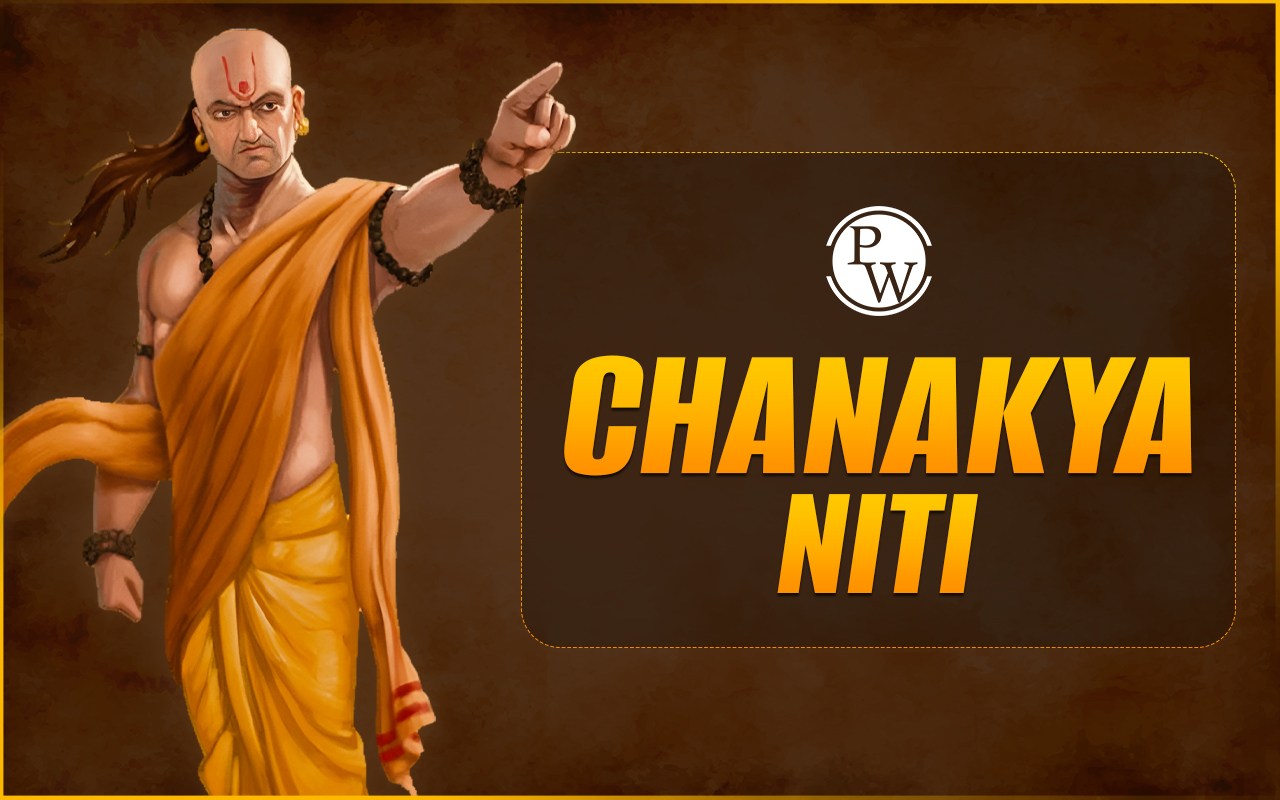
Chanakya Niti, a profound compendium of ethical and political guidance, holds immense value for modern students and competitive aspirants.
Written by Chanakya, also known as Kautilya or Vishnugupta, these principles come from his famous book, the Arthashastra. Chanakya Niti offers practical advice for daily life, from personal discipline to leadership. It is a useful guide for anyone who wants to live with wisdom, clarity, and strong moral values.
What is Chanakya Niti?
The Chanakya Niti is a collection of aphorisms (brief, insightful statements) that systematically present Chanakya’s views on human conduct, morality, governance, and economics. Unlike the Arthashastra, which primarily details administration and statecraft, the Niti concentrates on guiding the common person, including aspirants and householders, through the challenges of life.
The Purpose of the Niti
The core philosophy of the Chanakya Niti is the attainment of the four human goals (Purusharthas):
-
Dharma (Righteousness): Leading a moral and principled life.
-
Artha (Wealth/Prosperity): Achieving economic stability and success.
-
Kama (Desire/Fulfilment): Managing personal desires healthily.
-
Moksha (Liberation): Achieving the ultimate spiritual goal (though less prominent than the first three in the Niti).
The Niti advocates for a balanced life where ethical conduct (Dharma) is the foundation upon which wealth (Artha) and fulfilment (Kama) are built. It acts as a manual for strategic living, emphasising that success comes from consistent application of discipline and intellect.
Chanakya Niti for Students and Aspirants
For students and competitive candidates, the Chanakya Niti offers specific, actionable advice focused on maximising learning and achieving goals. Chanakya understood that dedication requires sacrifice and focused effort.
The Five Signs of a True Student
Chanakya famously described the essential qualities of a learner that must be imbibed by every dedicated aspirant:
|
Chanakya Niti for Students and Aspirants |
||
|
Quality (Sanskrit) |
Literal Meaning |
Principle for Students |
|
Kak Chesta |
Crow's Effort |
Persistent Effort: Like a crow that constantly tries to find food, a student must consistently strive for knowledge and never give up after initial failures. |
|
Bako Dhyanam |
Crane's Concentration |
Intense Focus: Like a crane waiting motionless to strike a fish, a student must possess single-minded concentration on their studies, avoiding all distractions. |
|
Shwan Nidra |
Dog's Sleep |
Alertness and Light Sleep: Sleep should be light and easily broken. A student must prioritize study time and be ready to wake up and resume work immediately. |
|
Alp Ahaari |
Moderate Eating |
Disciplined Diet: Overeating leads to lethargy and drowsiness. Eating moderately and healthily ensures the body and mind remain active and focused for longer periods of study. |
|
Tyag Grihasukham |
Sacrifice of Home Comforts |
Willingness to Sacrifice: A dedicated student must be willing to give up the comforts of home and leisure activities to focus entirely on their educational goal. |
Chanakya Niti on Wealth, Morality, and Relationships
The wisdom in the Chanakya Niti extends to managing personal life, finances, and interactions with others, providing principles for a happy and stable existence.
Principles of Wealth Management (Artha)
Chanakya stressed the importance of financial security for a peaceful life, but viewed knowledge as the ultimate asset.
-
Save for Adversity: He advised that one must save money for unforeseen calamities. Financial reserves are crucial in times of crisis, as true friends or relatives may not always be available.
-
Knowledge is Superior Wealth: The Niti states that Knowledge is the most precious treasure because it cannot be stolen, is portable, and grows when it is shared or applied. This is a vital lesson for every student preparing for their career.
-
Morality and Character
-
Avoid Bad Company: A person’s character is shaped by their associations. Associating with foolish, selfish, or immoral people will inevitably lead one down the wrong path.
-
Control Anger: The Niti identifies anger as a person’s greatest enemy. An act done in rage often leads to regret and ruin, which is why self-control is the hallmark of a wise person.
-
Self-Reflection: A person who can observe, identify, and correct their own faults is stronger than one who simply criticises others.
Strategy in Relationships
Chanakya’s advice on relationships is pragmatic and cautious:
-
Test People: Before entrusting a secret or forming a partnership, test the other person’s loyalty and character through various means—by observing their actions in times of difficulty, during financial transactions, and in conversation.
-
Respect Others: A great man never disrespects an intellectual, a good teacher, or a candidate on the path to gaining knowledge, as these are the pillars of society.
Chanakya Niti on Leadership and Statecraft (The Saptanga Theory)
As the advisor who established the Mauryan Empire, Chanakya codified the principles of Raj-Niti (State Policy), most famously through his Saptanga Theory. This theory outlines the seven essential, interconnected components (Prakritis) necessary for the functioning and success of any state or organisation.
Seven Pillars of the State
-
Swami (The Sovereign/King): The ultimate authority; the leader must be highly disciplined, wise, and possess foresight.
-
Amatya (The Minister/Council): Highly capable, trustworthy, and knowledgeable advisors who help the ruler in effective administration.
-
Janapada (The Territory and People): The land and its prosperous, loyal populace. The leader must work to maintain the welfare and loyalty of the citizens.
-
Durga (The Fortified Capital): A strong defence system, fortresses, and security to protect the state from external threats.
-
Kosha (The Treasury): The financial strength of the state. A robust treasury is essential for maintaining the army, running administration, and providing for public welfare.
-
Danda (The Army/Force): A strong, loyal, and disciplined military force is necessary to ensure internal order and external security.
-
Mitra (The Ally/Friend): Reliable allies in the international sphere are crucial for diplomatic support and aid during war.
Strategic Maxims
-
Secrecy of Plans: Chanakya’s famous principle states that one must never reveal a plan until it is fully executed. Success often hinges on strategic secrecy.
-
Constant Learning: A wise ruler or aspirant never stops learning. Knowledge is the key to pre-empting threats and creating successful strategies.
-
Flexibility: While having a strategy is necessary, a true leader must be flexible enough to change course when circumstances demand a new approach.
Chanakya Niti FAQs
Who was Chanakya, and why is the Chanakya Niti important?
What are the five most important principles for students in Chanakya Niti?
How does Chanakya Niti view the concept of wealth?
What is the Saptanga Theory in the context of Chanakya Niti?


Have questions about your prep?
Our experts can answer all your questions


 Live & recorded classes available at easeDashboard for progress trackingMillions of practice questions at your fingertips