







How PW Student Shubham Kumar Mahato Improved to Rank 142 After Two UPSC Selections
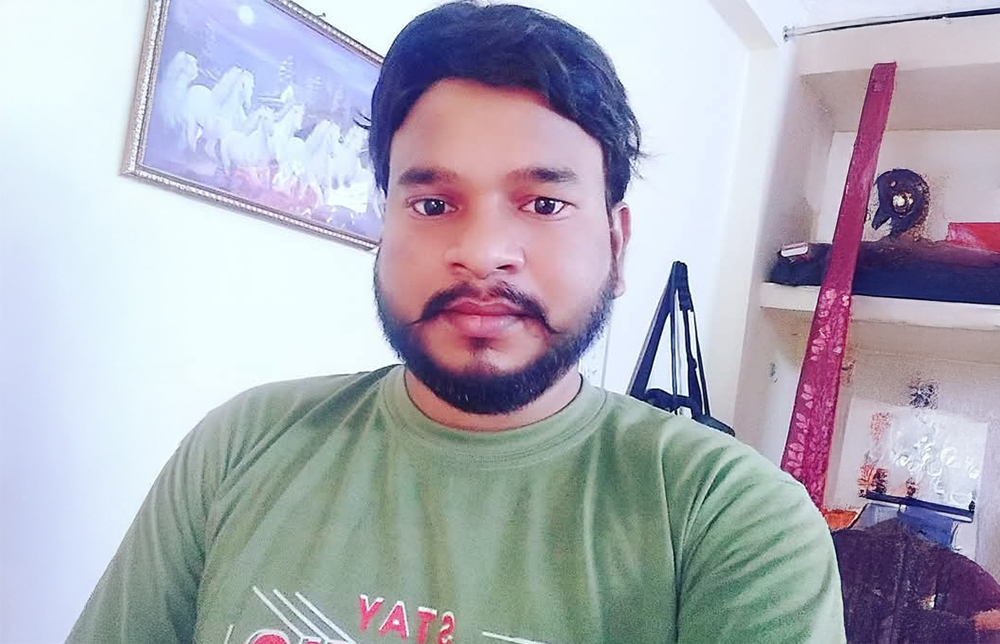
Preparing for the UPSC Civil Services Examination requires more than completing the syllabus. Candidates need to understand how to improve their preparation after every attempt. Shubham Kumar Mahato's journey reflects this process, as he secured selection in three attempts and improved his rank from 857 to 606 and then to 142.
His preparation focused on strong fundamentals, gradual value addition, targeted notes, revision, and understanding the different requirements of Prelims and Mains.
Shubham Kumar Mahato's Journey Through Three UPSC Selections
Shubham's UPSC journey saw improvement with each selection. In his first selection, he secured Rank 857 and received IRMS. His second selection brought Rank 606, through which he received IRS Customs and Indirect Taxes. In his third selection, he secured Rank 142 and was expecting to get IAS.
Looking back at his preparation, Shubham explained how his approach developed over the attempts.
"Sir basically main ye dekha hoon ki agar fundamentals sahi hai to humein Pre aur Mains mein dikkat nahi hota hai. Phir marks kitna aaye rank kitna aaye ye depend karta hai ki hum value addition kitna karte hain."
This approach became an important part of his preparation. He felt that once the fundamentals were in place, the next step was to keep improving the quality and depth of preparation.
"Maine ye dekha tha ki sir mera starting mein jo basic preparation tha wo ek had tak kuch had tak sahi tha. Phir main uske baad dheere-dheere value addition karte gaya."
His gradual improvement was visible in his ranks across the three selections. Instead of changing everything after every attempt, he focused on strengthening his existing preparation and adding what was needed.
How Shubham Kumar Mahato Used PW Support for Value Addition
As his preparation progressed, Shubham also used PW's programmes and study material for additional preparation support. He specifically mentioned the Srijan Mains programme and booklets such as Prahaar and Udaan.
"Jaise PW ka bhi sir jo Srijan Mains program tha usse kaafi mujhe help mila tha aur jo hamare booklet aate hain jaise Prahaar hai Udaan hai to inse bhi kaafi achha value addition ke liye mujhe kaam aaya tha."
He also acknowledged the support of teachers and mentors during his preparation journey.
"Aur baaki teachers ka bhi support raha. Piyush sir bhi the throughout journey mein jinhone support kiya tha aur bhi kaafi mentors the Srijan Mains program mein, Pre ke program mein."
For Shubham, these resources were not a replacement for his basic preparation. Instead, he used them to add to what he had already studied and improve his preparation progressively.
He also shared his experience with the Srijan programme, highlighting its questions, answer discussions, tests, and mentorship support.
"Sir kaafi achha experience tha jaise ki questions vagairah bhi usmein achhe-achhe rehte the aur answers model answers phir uske discussion bhi hote the."
He explained:
"Aur phir agar aapko har do-teen din mein test vagairah dena hai to wo bhi aap de sakte hain aur in sab ke, inn se bhi achha hota tha ek mentor support hota tha."
This support helped him get regular practice and guidance while preparing for Mains.
Shubham Kumar Mahato's Strategy for Prelims and Mains
With experience across multiple attempts, Shubham developed a clear understanding of how preparation for Prelims and Mains needed different approaches.
For Prelims, he placed strong importance on static subjects and suggested maintaining regular contact with current affairs throughout the year.
"Sir, ismein agar main Pre ke liye bataun to sir, Pre mein sabse important static hota hai. Agar kisi ka static content bilkul achhe se prepared hai aur uske baad usne agar current affairs 50% bhi kiya hai to uske bahut achhe chances hai selection hone ke."
He also advised against waiting until the last few months to start current affairs.
"Current affairs aap thoda-thoda saal bhar padhte raho aur pre static pe bahut achhe se focus karo."
For Mains, Shubham focused on understanding the specific demands of each paper. According to him, answer writing, presentation, and factual content remain important, but the approach changes across papers.
"Mains mein har ek paper ka thoda approach alag hai. Ek fundamental to same rahega ki humein achha answer likhna hai. Presentation achha hona chahiye and data fact hone chahiye."
He explained that this difference becomes clearer when looking at individual papers and the optional subject.
"Lekin uske baad essay ka, GS One ka, GS Two, GS Three, GS Four sabke approach alag honge aur optional ke bhi approach alag honge."
Understanding these differences helped him work on the specific requirements of individual papers instead of following one common approach for the entire Mains examination.
Shubham Kumar Mahato's Notes and Revision Strategy
Another important part of Shubham's preparation was note-making. He used books for Prelims but prepared his own notes for Mains so that he could revise important information more efficiently.
"Sir Pre ke liye main generally book se padhta tha aur Mains ke main saare notes khud se banaya hoon."
He explained that his Mains notes were created in two levels. First, he prepared one-pagers for individual topics. Later, he consolidated related topics into shorter pages for quick recall.
"Main do level pe notes banata tha sir. Ek to one pager ban gaye har topics ke. Uske baad Pre aur Mains ke beech mein try karta tha ki poore polity mein mere 6 ya 7 page mein aa jaye."
The purpose was to create quick triggers for recalling larger portions of information during the examination.
"Usse related jo bhi data ho, usse jo bhi judgement ho bilkul short mein uske naam se kyunki mujhe pata hai bas mujhe wo ek trigger chahiye jisse ki mujhe wo recall ho jaye."
His revision strategy was similarly structured. He recommended beginning the day by revising the previous day's study and using weekends for longer revision sessions.
"Revision ke liye generally kya hota hai ki jaise ki jab bhi hum apna padhai start karein to subah sabse pehle ek ghante humein pichhla din ko revise kar lena chahiye."
He extended the same approach to weekends as well.
"Aur uske baad weekend pe humein Sunday half day revise karna chahiye aur half day phir hum apna break le sakte hain."
Following this sequence regularly helped him maintain periodic revision instead of postponing it until the examination.
Shubham Kumar Mahato's Advice for Future UPSC Aspirants
After securing his third selection, Shubham shared a specific short-term strategy for candidates preparing for Prelims. He suggested completing one round of static subjects and then using tests and revision to consolidate preparation.
"Agle 10 din mein apne static subjects ka ek round cover kar lein aur uske baad full test lagate hue ek aur round revision ka kar lein."
He also recommended giving daily time to current affairs and CSAT.
"Saath mein current affairs aur CSAT do-do ghante daily basis pe karein."
His advice reflects the same preparation pattern visible throughout his own journey: strengthen the basics, add relevant content, revise regularly, and use tests to evaluate preparation.
His journey highlights how repeated attempts can become opportunities to strengthen fundamentals, add relevant content, improve answer-writing approaches, and make revision more effective. For aspirants preparing for UPSC, his experience offers a practical perspective: preparation can evolve over time through focused value addition, regular revision, targeted notes, tests, and a clear understanding of what each stage of the examination demands.








 Live & recorded classes available at easeDashboard for progress trackingMillions of practice questions at your fingertips

