







Sachin's UPSC Journey: From MBBS to AIR 41 in Four Attempts with PW
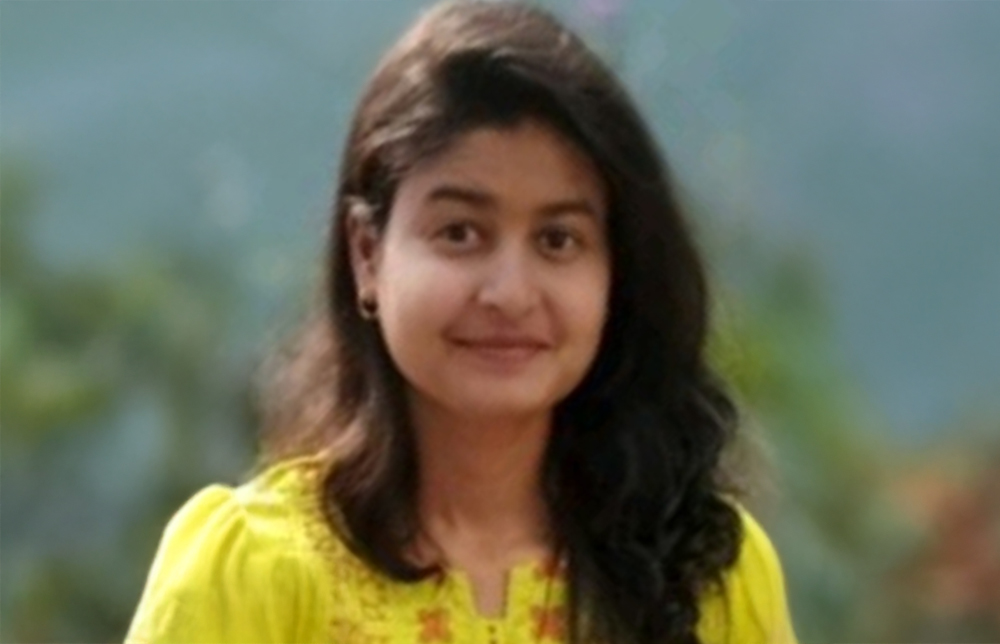
Every UPSC aspirant knows the question that returns after each failed attempt: is it worth it? Dr. Sachin Gutur, an MBBS graduate from Karnataka, asked himself this over roughly five years and four attempts. He took Anthropology as his optional, and in his fourth attempt he secured AIR 41.
His story is not only about persistence. It is about learning from each attempt, and about a struggle that came after clearing Mains, when most aspirants expect to feel relieved. Along the way, PW's Interview Guidance Program (IGP) gave him a practice ground before the final stage.
How Sachin's UPSC Journey Began
Sachin did not come to UPSC as a fresh graduate looking for options. He first completed his MBBS, and only after that did he move into full-time preparation.
"My educational background is that I have done my MBBS in graduation and after that I jumped into UPSC preparation and this was my fourth attempt and I had taken anthropology as my optional"
Moving from medicine to civil services is a big shift, and it did not happen by chance. Sachin explains that the goal was with him long before the attempts began, which is why he stayed with it even when results did not come.
"I think this has always been my childhood dream to get into civil service, and I always knew that this is a bigger dream that I can't let go of easily. So I knew that I had to strive for it. Like this is what I've chosen so I was very much sure about why UPSC. So once that why was answered, how, when, and where everything was taken care of, so that motivation thing was always from within"
Because his reason for choosing UPSC was clear from the start, he did not have to search for motivation each time he failed. That inner drive carried him through the early attempts, while the next challenge was working out how to prepare better each time.
How Four Attempts Taught Sachin Three Different Approaches
With the goal settled, Sachin's attempts became a process of learning. Each result taught him something about the exam, and that gradually changed how he prepared.
"Across the attempts, I also got better clarity with the exam process and how to approach the three different stages like all the three different stages absolutely require three different approaches: the way you read for prelims, you can't do it for the mains and vice versa"
This is a lesson many aspirants learn late. Reading for Prelims, writing for Mains and preparing for the interview are different tasks, and treating them alike can waste effort. Sachin's understanding of this difference shaped his strategy in the later attempts. He also went deeper into how Mains itself needed to be handled.
"And also in Mains you need to strategise for each individual paper and also for your optional paper. So across years cumulatively, I could gather that wisdom: what will work and what didn't, and here I am successfully this year"
By breaking down Mains paper by paper, Sachin turned repeated attempts into experience he could use. This growing clarity helped him reach the Mains result. But his toughest test was still ahead, and it was not the kind he expected.
Sachin's Biggest Challenge: The Period After Clearing Mains
Four to five years of preparation is not possible without support. For Sachin, that support came first from his family, who backed him financially through all the attempts.
"Sir, thanks to my parents, financially everything they were helping me out, so I was maintaining myself. Without their support, this can't be a reality at all."
Their help allowed him to focus fully on preparation and to keep going after setbacks. Yet his hardest phase did not come after a failed result. It came after a successful one, which he calls a paradox.
"Secondly, sir the biggest challenge happened during after I cleared mains. It's a paradox actually, generally people will fear after not clearing Mains, but for me, after clearing Mains, I had some mental health issues in the month of January and February. I think that I consider it the most challenging period because you're not even able to understand what is happening"
Clearing Mains is a milestone, but it does not remove the pressure. For Sachin, the weeks that followed were confusing and heavy, at a time when the interview was still to come. This is what makes his story different from a simple tale of hard work, and it leads to how he found his way back.
Also Check: SRIJAN MAINS PROGRAM 2026
How Sachin Prepared for the April 7 Interview
The struggle did not end with the low period. Sachin describes how deep it went, and how little time he had to recover.
"Not only that, like I had a fundamental existential crisis kind of a thing and all and after that I had to overcome that and I had to prepare for the interview, which was on April 7th"
This is the turning point of his journey. He had to deal with what he was feeling and prepare for the interview at the same time, with a fixed date ahead of him. It was in this phase that he turned to structured practice for the interview stage.
"With PW only, I guess I was enrolled in the IGP program, so I had taken a one-on-one session and also a mock interview"
The Interview Guidance Program gave him a one-on-one session and a mock interview. For someone recovering from a difficult period, practising the interview beforehand made the final stage less uncertain.
How PW's Interview Guidance Helped Sachin
Sachin was specific about what worked for him in the program. His focus was on the feedback that followed the mock interview, and on how the process was structured.
"It was definitely helpful; the feedback that was given, and also PW only has had this unique feature of third-bird viewpoint, like bird's-eye view"
A mock interview shows how you answer questions, but it is hard to judge your own performance while you are in the middle of it. The outside view he mentions helped him see the interview from a distance. He then explains how this worked in practice.
"So after giving your mock interview you'll be given another session of what all could have been done better and all so that was helpful"
The second session after the mock interview gave him specific points on what could have been done better. PW's role here was practical and limited to the interview stage, and it gave him something concrete to work on before April 7. This preparation brought him to the day he had waited for over several years.
What Sachin's Story Teaches Future Aspirants
Sachin's journey shows that a clear reason for choosing UPSC can carry an aspirant through repeated attempts. He treated each attempt as a lesson, understood that Prelims, Mains and the interview need different approaches, and relied on his family's support through the long years.
His experience also suggests that difficult phases can arrive even after a success, and that structured practice such as mock interviews can help when time is short. For aspirants in the middle of their own attempts, the lesson is to keep the purpose clear, learn from every result and look after mental health along with preparation.






 Live & recorded classes available at easeDashboard for progress trackingMillions of practice questions at your fingertips

