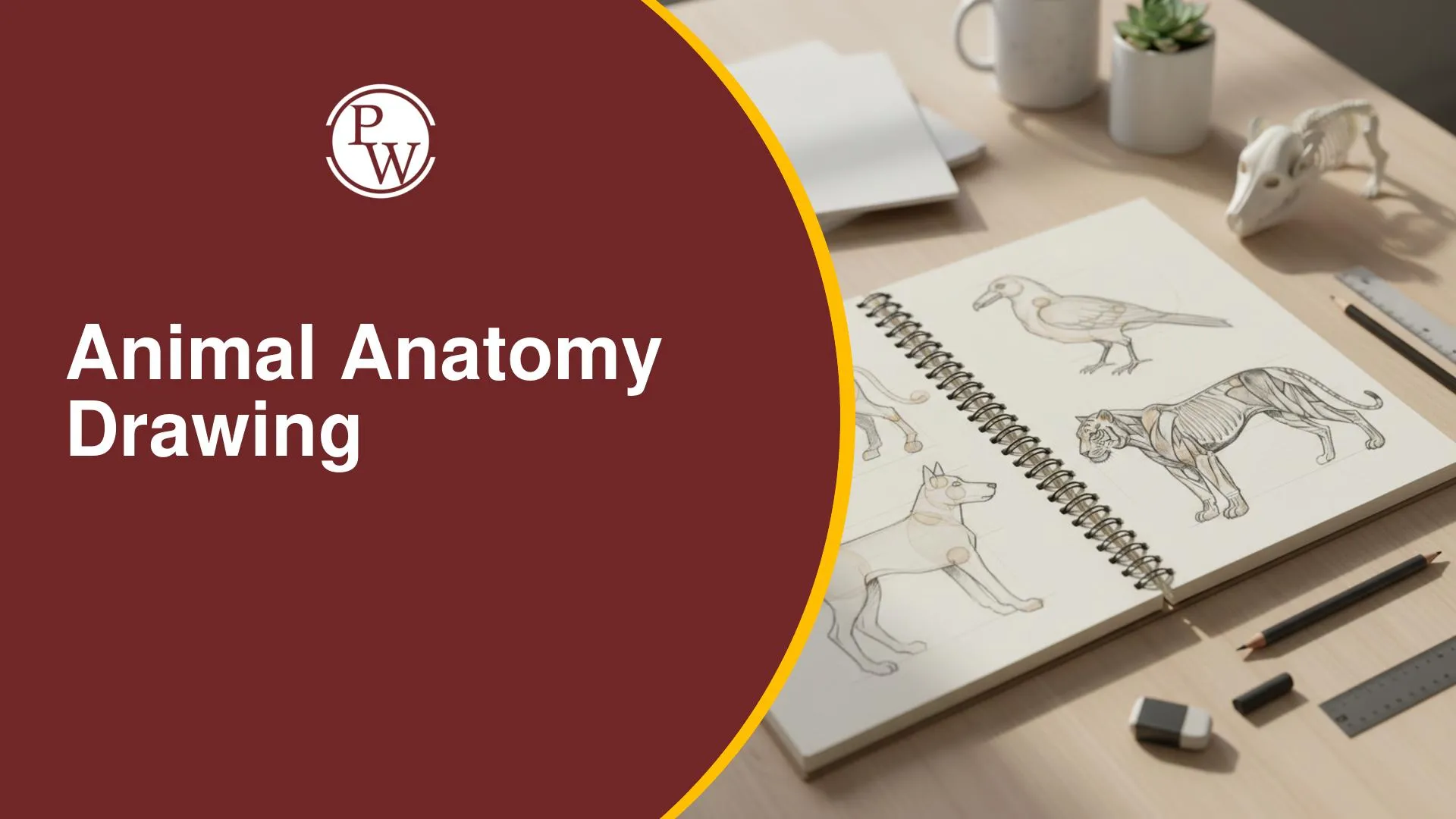

Animal Anatomy Drawing: NIFT, NID, UCEED 2027

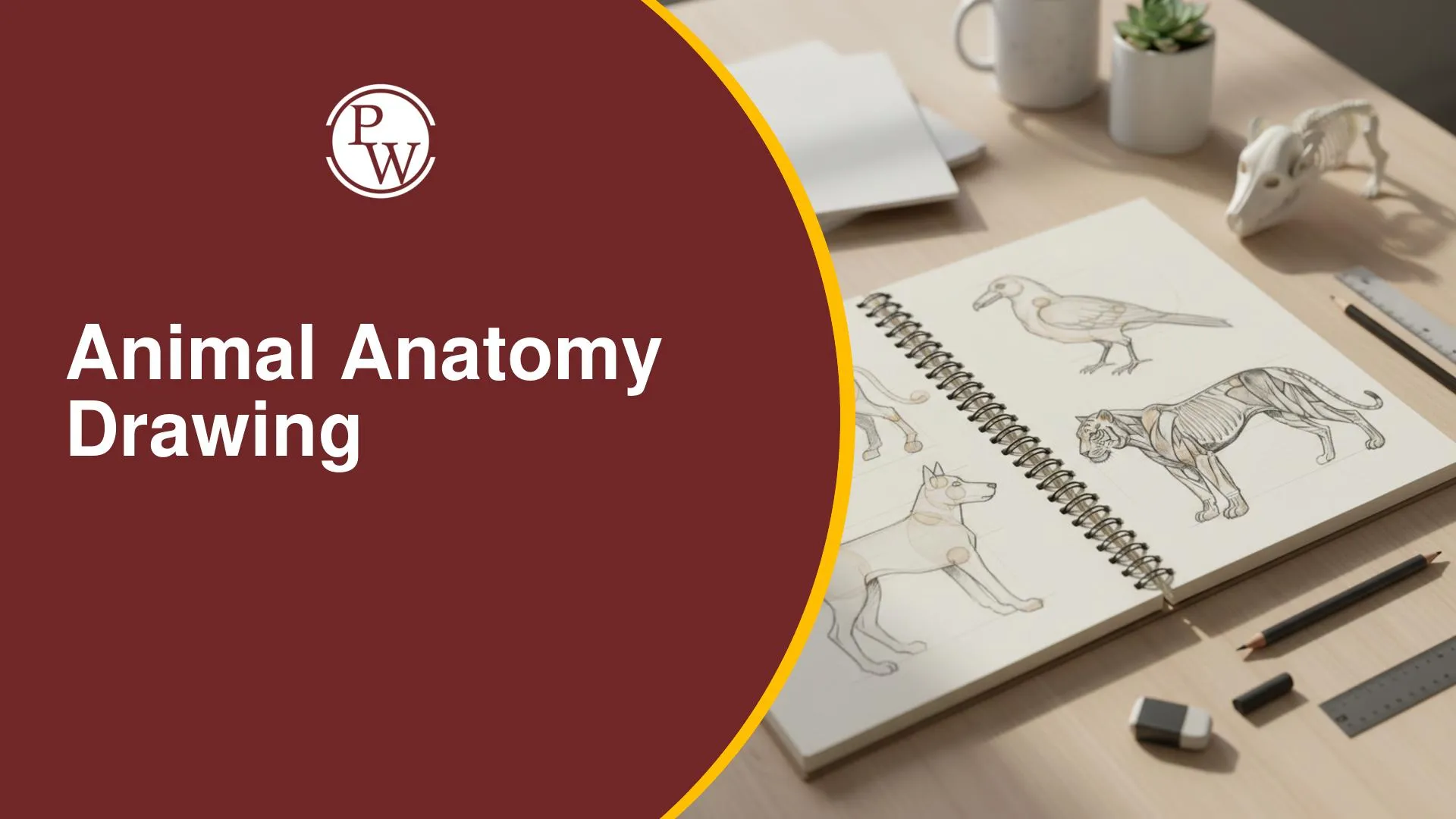
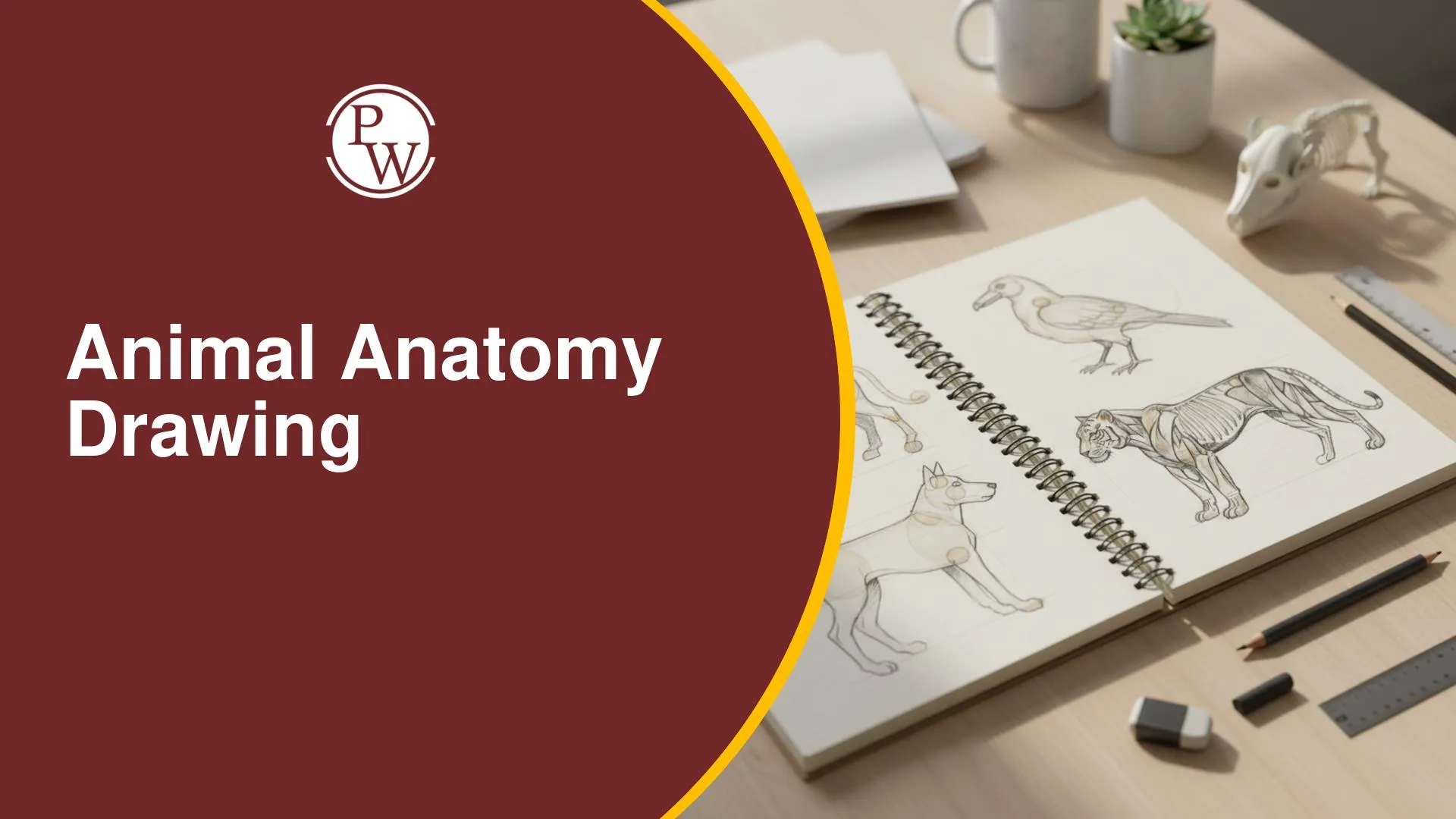
Animal anatomy drawing is an important part of design entrance exam preparation. Students preparing for NIFT, NID, and UCEED 2027 should learn how to draw animals using basic shapes, understand body proportions, and show different movements through sketches.
You do not need to start with detailed drawings. Begin with circles, ovals, cylinders, and curved lines to create the basic structure of an animal. With regular practice, you can learn to draw dogs, cats, monkeys, and other animals in different poses.
Animal Anatomy Drawing for NIFT, NID and UCEED 2027: Watch the Video
Watch the video below to learn how to draw animals using basic shapes and understand their body proportions. Practise drawing dogs, cats, and monkeys in different poses and movements to improve your sketching skills for design entrance exams.
Basic Shapes for Animal Sketching
Start animal sketching with simple geometric shapes. These shapes help you understand the animal's body structure before adding details.
-
Circles: Use circles to draw the head and joints.
-
Ovals: Use ovals for the chest, stomach, and main body.
-
Cylinders: Use cylinders to create the basic structure of the legs.
-
Curved lines: Use curved lines to connect the body parts and show the animal's natural shape.
-
Lines: Use lines to mark the direction of movement and position of the limbs.
Practise drawing these shapes from different angles. This will help you sketch animals in different poses without depending on reference images every time.
How to Draw Animal Anatomy Using Geometric Shapes
Follow these basic steps to draw an animal:
-
Start with a circle or oval for the head.
-
Draw one or two larger ovals for the upper and lower body.
-
Use lines or cylinder-like shapes to mark the legs.
-
Add the tail, ears, and other distinctive features.
-
Connect the shapes with curved lines to form the animal's outline.
-
Add the eyes, nose, and other details after completing the basic structure.
Do not try to make the sketch perfect in the first attempt. Focus on the body proportions and overall shape before adding details.
Dog Anatomy Drawing: Basic Structure and Body Proportions
To draw a dog, start with a circle for the head and ovals for the chest and lower body. Use simple lines or cylinders to mark the legs and add a curved shape for the tail.
Once the basic structure is ready, refine the body outline and add the ears, eyes, nose and paws. You can also practise drawing a golden retriever or another dog breed by observing its body shape and distinctive features.
Try sketching a dog in different poses, such as standing, walking, running and jumping. This will help you understand how the body changes with movement.
Cat Anatomy Drawing: Body Structure and Facial Features
Cats have a different body structure from dogs. Their bodies are usually more flexible, and their faces and noses have distinct proportions.
Begin with two circles or ovals for the main body parts. Add a smaller circle for the head and use lines to mark the legs. Draw the ears, eyes, nose, paws, and tail to complete the basic sketch.
Practise drawing cats in different poses, including sleeping, walking, jumping, and licking their paws. These exercises will help you improve your observation and sketching speed.
Monkey Anatomy Drawing: Body Proportions and Distinctive Features
To draw a monkey, start with a circle for the head and an oval for the upper body. Add shapes for the lower body and use lines or elongated shapes for the arms and legs.
Monkeys have long limbs and distinctive hands and feet. Pay attention to these features while drawing the outline. Add the face, ears, and tail after completing the main body structure.
Practise drawing a monkey standing, walking, and sitting. You can also try different angles to understand how its body proportions change in each pose.
How to Draw Animals in Different Gestures and Movements
Animal sketching is not limited to drawing animals in a standing position. You should also practise different gestures and movements to make your drawings look more natural.
-
Walking: Show the movement by changing the position of the legs.
-
Running: Lean the body forward and extend the limbs to show speed.
-
Jumping: Position the legs and body to show the animal moving upwards or forwards.
-
Sleeping: Use curved lines to show a relaxed body posture.
-
Sitting: Focus on the position of the legs and the shape of the back.
Start with a simple outline and mark the direction of movement before adding the details.
How to Draw Animals from Different Angles and Side Views
Practise drawing the same animal from the front, side, and different angles. Start with basic shapes and use guide lines to understand the position of the head, body, and limbs.
Drawing from different angles helps you understand proportions and makes it easier to sketch animals in a composition. Practise straight lines, curved lines and ellipses from different directions to improve your control.
Physics Wallah Design Online Batches
Quick Animal Sketching Techniques for Design Entrance Exams
You may need to complete a drawing within a limited time during a design entrance exam. Regular practice can help you draw animals more quickly without losing their basic proportions.
-
Start with basic shapes instead of drawing the complete outline immediately.
-
Focus on the animal's posture and movement.
-
Avoid adding unnecessary details in the initial sketch.
-
Practise the same animal in multiple gestures.
-
Use a pen, pencil, or marker based on the question and your comfort level.
-
Solve previous years' questions to understand the type of drawing tasks you may encounter.
You can also check the PW Let's Draw Together 2027 programme for more drawing practice and preparation support.
Animal Anatomy Sketching Practice for NIFT, NID and UCEED
Regular practice is important for improving animal anatomy drawing. Begin with simple animals such as cats and dogs before moving to more complex poses.
Set aside time each day to practise basic shapes, body proportions and different gestures. You can also use animals in comic strips, posters and perspective drawings when the question allows it.
Remember that you do not need to include biomimicry in every design. Use inspiration from nature when it helps solve the design problem or improves your idea.
With consistent practice, you can improve your drawing speed, confidence, and ability to show animals in different poses for NIFT, NID, and UCEED 2027.
Related Resources:
PW supports UCEED preparation with complete UCEED syllabus coverage, live and recorded classes, DPPs, e-modules, question banks, mock tests, sectional and topic-wise tests, PYQs, and personalised feedback on drawing assignments.
Animal Anatomy Drawing FAQs
What is animal anatomy drawing?
Why is animal anatomy important for NIFT, NID and UCEED 2027?
How can beginners start animal anatomy drawing?




Have questions about your prep?
Our experts can answer all your questions
 Live & recorded classes available at easeDashboard for progress trackingMillions of practice questions at your fingertips