






Dengue Fever Symptoms, Causes, Prevention, Diagnosis and Treatment
Dengue Fever is transmitted to humans through the bite of an infected Aedes mosquito, such as Ae. aegypti or Ae. albopictus. Nearly half of the world's population, or approximately 4 billion people, live in areas where dengue infection is a risk.
 Krati Saraswat11 Mar, 2023
Share
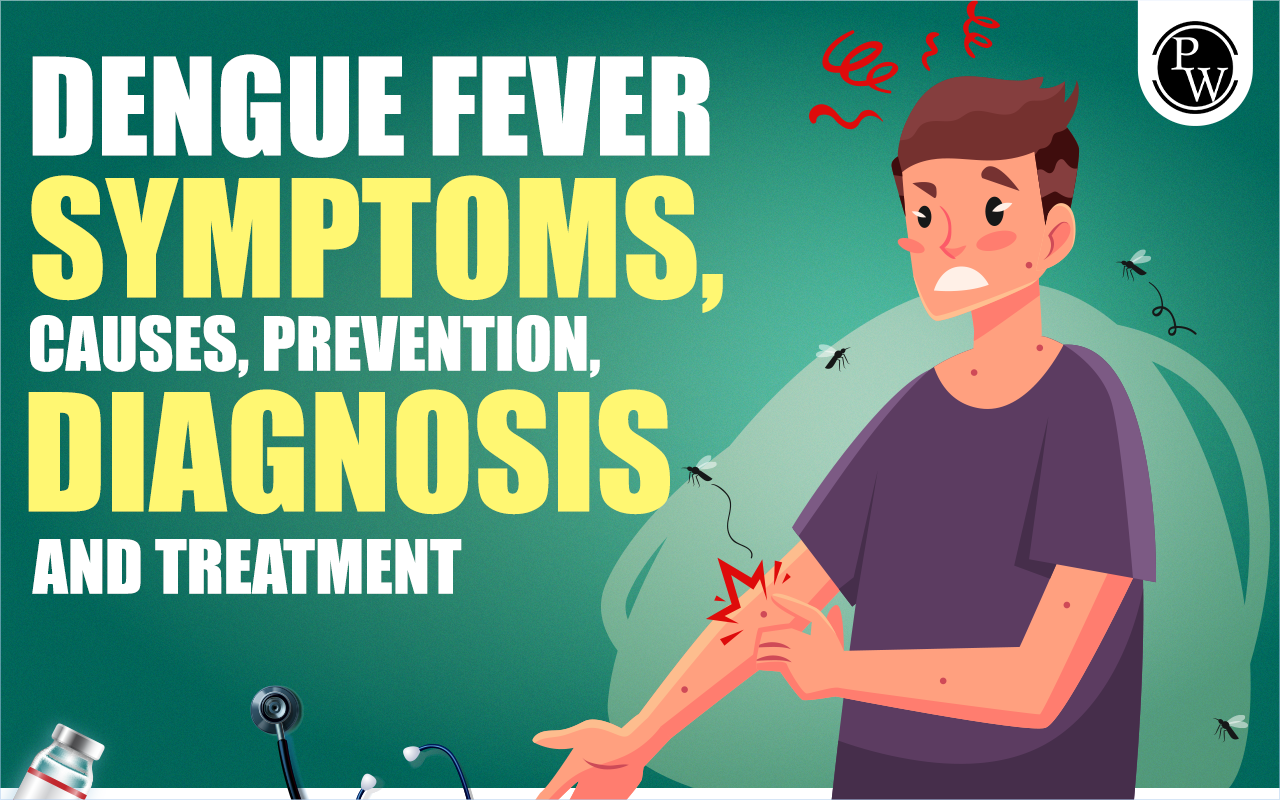
Dengue Fever Overview
Dengue, a viral infection caused by the dengue virus (DENV), spreads to humans through the bite of infected mosquitoes. Approximately half of the global population faces the risk of dengue, leading to an estimated 100-400 million infections annually. This disease is prevalent worldwide in tropical and subtropical regions, particularly urban and semi-urban areas. While many DENV infections show no symptoms or result in mild illness, some cases can be severe and, in rare instances, fatal. Prevention and control efforts primarily focus on managing the mosquito vectors. Unfortunately, there is no specific treatment for dengue or severe dengue. However, early detection and timely access to proper medical care significantly reduce the fatality rates associated with severe dengue cases.Dengue Fever Symptoms
Dengue typically manifests as mild or asymptomatic in most individuals, with a gradual recovery within 1-2 weeks. However, in rare cases, it can escalate into a severe condition that may even result in death. Symptoms, if present, usually appear 4–10 days after infection and persist for 2–7 days. These symptoms may include:- High fever (40°C/104°F)
- Severe headache
- Pain behind the eyes
- Muscle and joint pains
- Nausea
- Vomiting
- Swollen glands
- Rash
- Severe abdominal pain
- Persistent vomiting
- Rapid breathing
- Bleeding gums or nose
- Fatigue
- Restlessness
- Blood in vomit or stool
- Excessive thirst
- Pale and cold skin
- Weakness
Dengue Fever Causes
Four different types of dengue viruses cause dengue fever, all spread by mosquito bites. Contrary to popular belief, mosquitoes are the carriers; they cannot be contracted simply by being near an infected person. The primary vectors of dengue viruses are two common mosquito species found in and around human habitats. The following are:- When a mosquito bites a person already infected with the virus, it becomes a carrier.
- When this infected mosquito bites another person, the virus enters the new person's bloodstream, resulting in infection.
Dengue Fever Risk Factors
The risk factors for developing dengue fever or a more severe form of the disease are influenced by specific circumstances:- Location of Residence or Travel: Individuals residing in or traveling to tropical and subtropical regions face an elevated risk. These areas, including Southeast Asia, western Pacific islands, Latin America, and Africa, are hotspots for the virus. The geographical prevalence of dengue fever significantly heightens the chances of exposure to the disease-causing virus.
- Prior Dengue Infection: If someone has experienced dengue fever in the past, their vulnerability to severe symptoms increases significantly if they contract the disease again. Previous exposure to a dengue fever virus amplifies the risk, making subsequent infections potentially more dangerous.
- Mosquito Vectors: Aedes aegypti and Aedes albopictus mosquitoes are the primary vectors for transmitting dengue viruses. These mosquitoes thrive in urban environments and are highly adaptive, breeding in standing water found in discarded tires, flowerpots, and other containers. Areas with poor sanitation and inadequate waste management provide conducive breeding grounds, increasing the risk of dengue transmission.
- Climate Change: Changes in climate patterns, including rising temperatures and altered precipitation patterns, can affect the distribution and behavior of mosquitoes. Warmer temperatures allow mosquitoes to thrive in regions where they previously couldn't survive, expanding the geographical range of dengue transmission. Additionally, extreme weather events such as hurricanes and heavy rainfall can create new breeding sites, increasing the risk.
Structural Organisation in Animals
Dengue Fever Complications
Severe dengue fever poses significant health risks, as it can result in various complications, including internal bleeding and damage to vital organs. One of the most alarming consequences is a drastic drop in blood pressure, leading to a condition known as shock. When shock occurs, the body's vital organs lack sufficient blood supply, triggering a life-threatening situation. In certain severe cases, dengue fever can tragically lead to death, underscoring the gravity of the disease. The impact of dengue fever extends beyond the immediate patient, especially for pregnant women. If a woman contracts dengue fever during pregnancy, there is a possibility of transmitting the virus to the baby during childbirth. This transmission can have serious implications for the newborn, potentially leading to complications such as pre-term birth, low birth weight, or fetal distress. These complications can significantly impact the health and well-being of both the mother and the infant, highlighting the importance of preventive measures and early medical intervention to safeguard maternal and child health during dengue fever outbreaks.Sexual Reproduction in Flowering Plants
Dengue Fever Prevention
Dengue is a disease spread by mosquitoes active during the day. To lower your risk of getting dengue:- Cover Up: Wear clothes that cover your whole body.
- Use Nets: If you sleep during the day, use mosquito nets, preferably ones sprayed with insect repellent.
- Secure Windows: Put screens on your windows to keep mosquitoes out.
- Use Repellents: Use mosquito repellents that contain DEET, Picaridin, or IR3535. You can also use coils and vaporizers.
- If You Get Dengue: Rest, drink lots of fluids, and use acetaminophen (paracetamol) for pain. Avoid drugs like ibuprofen and aspirin. If your symptoms get worse, contact your doctor right away.
Biotechnology and Its Applications
Dengue Fever Diagnosis
The identification of dengue fever poses a significant challenge because its symptoms closely mimic those of other diseases, including chikungunya, Zika virus, malaria, and typhoid fever. Healthcare professionals routinely seek comprehensive medical histories and detailed accounts of international travel from patients. Providing meticulous information about visited countries, dates, and potential mosquito exposure is imperative. Furthermore, medical practitioners may extract a blood sample for meticulous analysis in a laboratory, aiming to discern evidence of infection caused by any of the dengue viruses.
Dengue Fever Treatment
Currently, there is no specific cure for dengue fever. During the recovery phase, it is vital to maintain adequate fluid intake. If you notice signs of dehydration, such as decreased urination, a lack of tears, a dry mouth or lips, lethargy, confusion, or cold and clammy extremities, seek medical attention immediately. Over-the-counter acetaminophen (known as Tylenol) can alleviate muscle pain and reduce fever. However, it is imperative to abstain from other non-prescription pain relievers like aspirin, ibuprofen (Advil, Motrin IB), and naproxen sodium (Aleve) if diagnosed with dengue fever. These medications elevate the risk of bleeding complications associated with the disease. In severe cases of dengue fever, hospitalization may be indispensable, where patients may receive:- Supportive care
- Intravenous (IV) fluid and electrolyte replenishment
- Blood pressure monitoring
- Blood transfusion to replace lost blood volume
Dengue Fever FAQs
What is the standard procedure for dengue fever diagnostics and treatment?
Dengue fever diagnostics involve blood tests to detect the presence of the dengue virus. Treatment focuses on managing symptoms, including using acetaminophen as an analgesic and antipyretic, alongside adequate fluid intake.
Could you elaborate on the common dengue fever symptoms?
Dengue fever symptoms encompass high fever, severe joint and muscle pain, headaches, skin rash, and bleeding tendencies, often requiring prompt medical attention.
What is the prescribed dengue fever treatment protocol?
The treatment for dengue fever primarily involves symptom management, which includes pain relief using acetaminophen. It's crucial to avoid medications like aspirin or ibuprofen due to the risk of complications.
How is dengue fever transmitted, and what causes it?
Dengue fever is caused by the dengue virus, transmitted to humans through the bite of infected Aedes mosquitoes, specifically the Yellow fever mosquito, which is part of the insect family.
What is the significance of dengue tests in the diagnosis process?
Dengue tests, such as blood tests detecting the dengue virus, play a crucial role in confirming the presence of the infection, guiding appropriate medical intervention.
Can you provide information about dengue fever symptoms in Hindi?
Dengue fever के लक्षण में उच्च बुखार, गंभीर जोड़ों और मांसपेशियों का दर्द, सिरदर्द, त्वचा की खुजली और रक्तस्राव शामिल हैं।
What does the dengue fever recovery phase typically involve?
During the recovery phase, patients should maintain hydration and monitor for signs of complications, seeking immediate medical help if they experience symptoms like confusion, lethargy, or reduced urination.


Talk to a counsellorHave doubts? Our support team will be happy to assist you!


Check out these Related Articles










Join 15 Million students on the app today!
 Live & recorded classes available at easeDashboard for progress trackingMillions of practice questions at your fingertips


Free Learning Resources
PW Books
Notes (Class 10-12)
PW Study Materials
Notes (Class 6-9)
Ncert Solutions
Govt Exams
Our Other Websites
Class 6th to 12th Online Courses
Govt Job Exams Courses
UPSC Coaching
Defence Exam Coaching
Gate Exam Coaching
Other Exams
Know about Physics Wallah
Physics Wallah is an Indian edtech platform that provides accessible & comprehensive learning experiences to students from Class 6th to postgraduate level. We also provide extensive NCERT solutions, sample paper, NEET, JEE Mains, BITSAT previous year papers & more such resources to students. Physics Wallah also caters to over 3.5 million registered students and over 78 lakh+ Youtube subscribers with 4.8 rating on its app.
We Stand Out because
We provide students with intensive courses with India’s qualified & experienced faculties & mentors. PW strives to make the learning experience comprehensive and accessible for students of all sections of society. We believe in empowering every single student who couldn't dream of a good career in engineering and medical field earlier.
Our Key Focus Areas
Physics Wallah's main focus is to make the learning experience as economical as possible for all students. With our affordable courses like Lakshya, Udaan and Arjuna and many others, we have been able to provide a platform for lakhs of aspirants. From providing Chemistry, Maths, Physics formula to giving e-books of eminent authors like RD Sharma, RS Aggarwal and Lakhmir Singh, PW focuses on every single student's need for preparation.
What Makes Us Different
Physics Wallah strives to develop a comprehensive pedagogical structure for students, where they get a state-of-the-art learning experience with study material and resources. Apart from catering students preparing for JEE Mains and NEET, PW also provides study material for each state board like Uttar Pradesh, Bihar, and others
Copyright © 2026 Physicswallah Limited All rights reserved.