






Chemistry in Everyday Life Formula - Classification, Types, Structure
 Ranvijay Singh26 Sept, 2023
Share

If you're studying chemistry, then you must have wondered about the importance of chemistry in everyday life. Drugs are chemical substances used to diagnose, treat, cure, or prevent diseases. They can have various origins, including plant extracts, chemical synthesis, and microbiological processes.
Classification of Drugs
Drugs can be classified based on their pharmacological effect, chemical structure, or drug action mechanism. A broad pharmacological classification is:
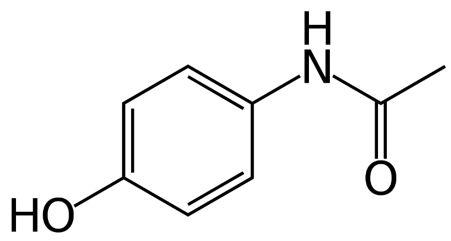
Analgesics: Relieve pain without causing unconsciousness.
e.g., Paracetamol.
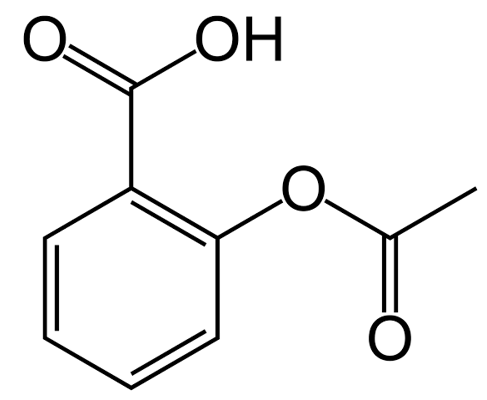
Antipyretics: Reduce fever.
e.g., Aspirin.
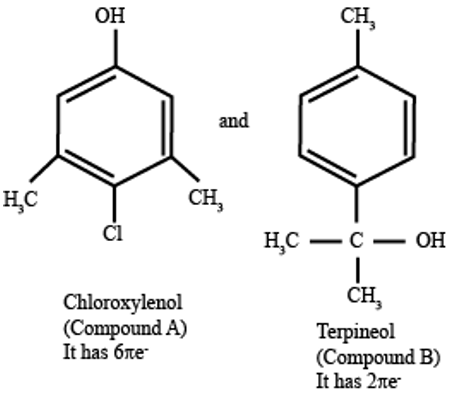
Antiseptics: Kill or prevent the growth of microorganisms.
e.g., Dettol.
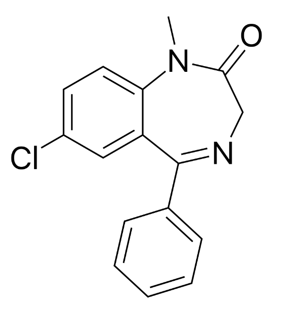
Tranquillizers: Relieve stress, tension, and anxiety.
e.g., Diazepam.
Antibiotics: Kill or inhibit the growth of bacteria.
e.g., Penicillin.
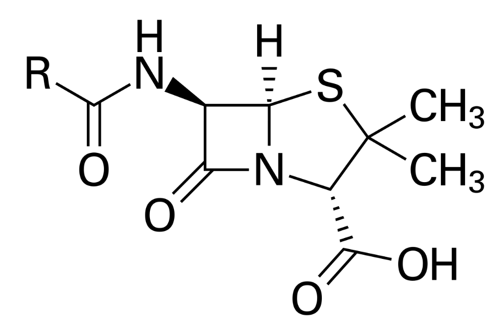
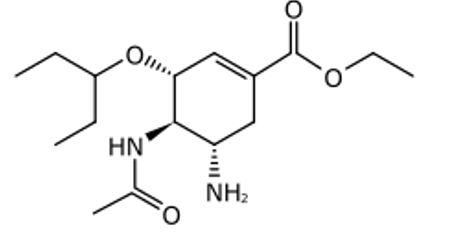
Antivirals: Act against viruses.
e.g., Oseltamivir.
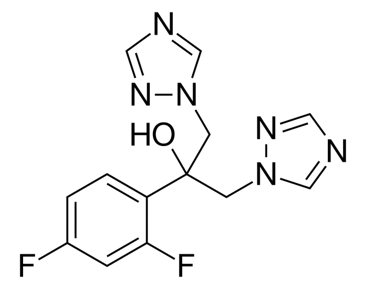
Antifungals: Counteract fungal infections.
e.g., Fluconazole.
Drug-Target Interaction
Drugs exert their effects by interacting with specific molecules in the body called targets, which can be proteins, nucleic acids, or even lipids. The most common targets are proteins like enzymes, ion channels, and receptors. When a drug binds to its target, it modulates the target's activity, leading to a therapeutic effect.
Therapeutic Action of Different Classes of Drugs
Analgesics
Block the transmission of pain signals to the brain or interfere with the brain's interpretation of these signals.
Example: Paracetamol (also known as Acetaminophen)
Formula: C ₈ H ₉ NO ₂
Structure: Its chemical structure can be simplified as a benzene ring attached to an acetamide group. Given the limitations of this format, a detailed structure would be better visualized using chemistry-specific resources or software.
Therapeutic Action: Inhibits an enzyme in the brain called COX , reducing the production of prostaglandins, which are mediators of pain and inflammation.
Structure: Benzene ring attached to an NHCOCH ₃ group.
Therapeutic Action: Inhibits COX enzymes in the brain, reducing the production of prostaglandins which mediate pain and fever.
Antipyretics
Act on the hypothalamus to reduce body temperature.
Example: Aspirin
Formula: C ₉ H ₈ O ₄
Structure: A benzene ring attached to an acetyl group and a carboxylic acid group.
Therapeutic Action: Inhibits COX enzymes, leading to decreased production of prostaglandins. This reduces fever and inflammation
Structure: Benzene ring with an OCOCH ₃ group and a COOH group.
Therapeutic Action: Inhibits COX enzymes, leading to reduced production of prostaglandins, thus reducing inflammation and fever.
Antiseptics
Disrupt the cell walls or metabolic pathways of microorganisms.
Example: Dettol
Structure: Dettol is a mixture, but one of its active ingredients is 4-chloro-3,5-dimethylphenol.
Example: Chlorhexidine
Formula: C ₂₂ H ₃₀ Cl ₂ N ₁₀
Therapeutic Action: Disrupts the cell walls and membranes of microbes, preventing their growth.
Tranquilizers
Modulate neurotransmitter levels or their action in the central nervous system.
Example: Diazepam (Valium)
Formula: C ₁₆ H ₁₃ ClN ₂ O
Structure: Fused benzene and diazepine rings with a chloro substituent and other groups.
Therapeutic Action: Modulates GABA neurotransmitter action, leading to sedative and anxiolytic effects.
Antibiotics
Inhibit bacterial cell wall synthesis, protein synthesis, or other essential processes.
Example: Penicillin
Formula: R-C ₉ H ₁₁ N ₂ O ₄ S (R group varies for different penicillins)
Structure: Features a thiazolidine ring attached to a β-lactam ring and variable R group.
Therapeutic Action: Inhibits bacterial cell wall synthesis.
Antivirals
Interfere with viral replication processes.
Example: Oseltamivir (Tamiflu)
Formula: C ₁₆ H ₂₈ N ₂ O ₄
Structure: Complex structure with an ester, amine, and ether functional groups.
Therapeutic Action: Inhibits viral neuraminidase, preventing viral replication.
Antifungals
Target components unique to fungal cells, like fungal cell walls.
Example: Fluconazole
Formula: C ₁₃ H ₁₂ F ₂ N ₆ O
Structure: Triazole ring, two fluorine atoms, and several other functional groups.
Therapeutic Action: Disrupts fungal cell membrane synthesis by inhibiting ergosterol synthesis.
Cleansing Agents
Soaps: Sodium or potassium salts of long-chain fatty acids. They cleanse by emulsifying dirt and oils.
Equation: RCOOH + NaOH→ RCOONa + H 2 O
(where R is a long alkyl chain)
Detergents: Synthetic cleansing agents, often derived from petrochemicals. They can be anionic, cationic, or non-ionic based on the charge of their hydrophilic part. Equation for a generic anionic detergent:
RSO 3 H + NaOH → RSO 3 Na + H 2 O
Also Check – Chemical Bonding Formula
Based on Pharmacological Effect
Drugs classified by their therapeutic use or clinical indications.
Analgesics:
Example: Paracetamol (Acetaminophen)
Formula: C ₈ H ₉ NO ₂
Structure: Benzene ring attached to an NHCOCH ₃ group.
Antipyretics:
Example: Aspirin
Formula: C ₉ H ₈ O ₄
Structure: Benzene ring with an OCOCH ₃ group and a COOH group.
Also Check – Aluminium Acetate Formula
Based on Drug Action
Classified by the action at the cellular or molecular level.
Enzyme Inhibitors:
Example: Statins (e.g., Lovastatin)
Formula: C ₂₄ H ₃₆ O ₅
Structure: Complex, with fused rings and methyl groups.
Receptor Blockers:
Example: Losartan (Angiotensin receptor blocker)
Formula: C ₂₂ H ₂₃ ClN ₆ O
Structure: Complex with imidazole ring and biphenyl group.
Also Check – Bleaching Powder Formula
Based on Chemical Structure
Classifying drugs by their chemical constitution.
Steroids:
Example: Cortisol
Formula: C ₂₁ H ₃₀ O ₅
Structure: Four fused rings: three cyclohexane rings and a cyclopentane ring. Benzodiazepines:
Example: Diazepam
Formula: C ₁₆ H ₁₃ ClN ₂ O
Structure: Fused benzene and diazepine rings.
Based on Molecular Targets
Drugs can be classified by the primary cellular molecules they act upon.
Protein Kinase Inhibitors:
Example: Imatinib
Formula: C ₂₉ H ₃₁ N ₇ O
Structure: Complex with pyrimidine and phenylamino group.
Nucleic Acid Targets:
Example: Fluoroquinolones (e.g., Ciprofloxacin)
Formula: C ₁₇ H ₁₈ FN ₃ O ₃
Structure: Contains a carboxylic acid, fluorine, and a piperazine ring.
Chemistry in Everyday Life Formula FAQs
Q1. How do antacids relieve heartburn?
Q2. How does soap clean?
Q3. How do pain relievers work?
Q4. What is the role of chemistry in cleaning agents?
Q5. Why does baking soda neutralize odors?












 Live & recorded classes available at easeDashboard for progress trackingMillions of practice questions at your fingertips

