







Mobile E-Voting Launched in Bihar: App, Features, Significance

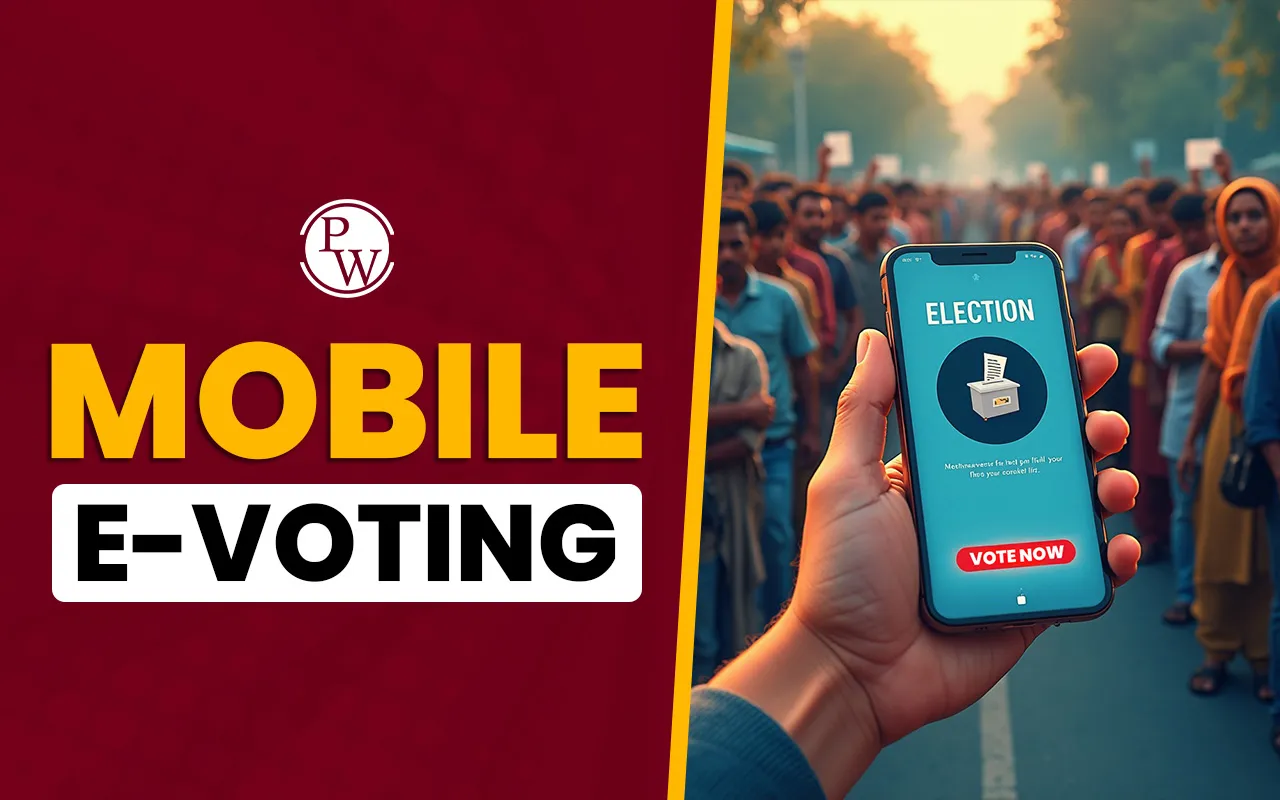
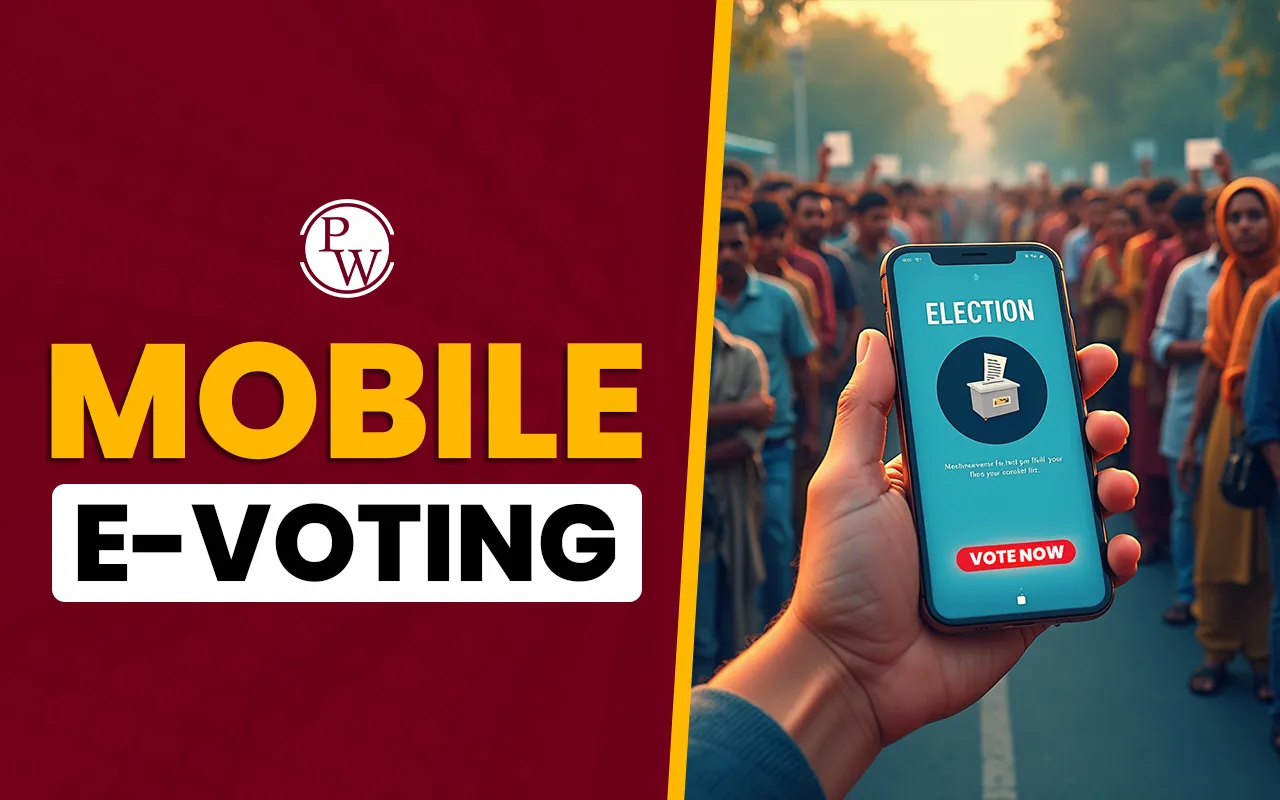
Mobile E-Voting refers to a system where eligible voters can cast their ballots using a mobile application. This method allows voters to participate in elections remotely, securely, and conveniently without visiting a physical polling booth. In India, Bihar has become the first state to permit mobile e-voting in its municipal elections. Read on to learn more!
What Is Mobile E-Voting?
Mobile e-voting (electronic voting) is a method of casting and counting votes using mobile devices like smartphones or tablets, rather than traditional paper ballots or electronic voting machines at polling stations. It is a subset of electronic voting (e-voting) that specifically utilizes mobile technology and internet connectivity to enable voters to participate in elections remotely and securely.
|
Electronic Voting (E-Voting): All forms of voting using electronic means, such as voting machines at polling stations or online voting via computers. |
Key Features of Mobile E-Voting
Here are the key features of the mobile e-voting system:
-
Accessibility: Useful for voters who face challenges visiting polling stations, such as senior citizens, persons with disabilities, pregnant women, migrant workers, and others with limited mobility.
-
Remote Voting Access: Voters can cast their votes from any location at any time during the election window.
-
Use of Personal Devices: Individuals vote using their own smartphones, removing the need for physical voting machines or ballots.
-
End-to-End Encryption: Voter identity is confirmed through secure methods like Blockchain, Digital scanning and OCR, Audit trails, OTPs, biometrics, or facial recognition.
-
Fully Automated System: The entire voting process, from login to result calculation, is streamlined and runs in real time.
-
Instant Confirmation: Voters get immediate confirmation after voting, and results are quickly available once polls close.
Bihar - First State to Launch Mobile E-Voting in India
Bihar became the first state in India to introduce mobile e-voting, allowing citizens to cast their votes through a dedicated smartphone app. Launched during the municipal elections in June 2025, across districts like Patna, Rohtas, and East Champaran, the initiative aims to empower voters with mobility issues, such as senior citizens, persons with disabilities, pregnant women, and migrant workers.

The system employs blockchain technology for secure, tamper-proof voting, along with facial recognition and strict registration to ensure voter authenticity. Voters used the e-SECBHR Android app or the State Election Commission website to register, verify their identity, and vote remotely. It marks a significant step toward an inclusive and tech-driven democracy in India.
Bihar’s Mobile E-Voting App
Mobile e-voting in Bihar is being implemented through the e-SECBHR app, developed by the Centre for Development of Advanced Computing (C-DAC) and the Bihar State Election Commission.
Here is how Bihar’s mobile e-voting app works:
-
Platform: The app is currently available for Android devices only.
-
Eligibility: Designed for voters who face barriers in reaching polling stations, such as senior citizens, persons with disabilities, pregnant women, migrant workers, and those who are seriously ill.
-
Registration: Voters must pre-register and link the app to their mobile number already registered on the electoral roll.
-
Security: Uses blockchain technology to ensure tamper-proof voting. Only two registered voters can log in from a single mobile number to prevent misuse.
-
Transparency: Every vote is cross-checked against individual voter IDs, and robust digital security protocols are in place
The voting process is as follows:

-
Download and install the e-SECBHR app.

-
Authenticate using the registered mobile number and complete facial recognition.

-
Cast the vote securely through the app. A confirmation message will be sent to your mobile.
-
Votes are automatically tallied, and results are published after the election closes.
Significance of E-Voting in Bihar Municipal Elections
The mobile e-voting in the Bihar municipal elections marks a transformative step in India’s democratic process:
-
First-of-its-kind Implementation: Bihar became the first state in India to conduct municipal elections using mobile e-voting.
-
Enhanced Accessibility: The system ensured citizens who typically face barriers to voting, such as senior citizens, the disabled, pregnant women, etc, can cast their vote.
-
High Voter Turnout: In pilot areas, e-voting turnout was 16% higher than traditional booth voting (e-voting: 70.2%, booth voting: 54%).
-
Technological Innovation: Blockchain, facial recognition, and VVPAT-style audits secured a transparent, tamper-proof process.
-
Democratic Inclusion: The initiative reduced logistical and physical barriers, expanding democratic inclusion.
-
Inspired Future Initiatives: This historic step sets a precedent for future digital voting across India, inspiring other states to innovate.
In summary, Bihar’s mobile e-voting in municipal elections significantly increased accessibility and participation, demonstrated the viability of secure digital voting, and marked a major step forward in the modernization of India’s electoral process.
Want to learn more about the Election process and Indian polity? Explore PW UPSC Courses!
Mobile E-Voting FAQs
What is Mobile E-Voting that has been launched in Bihar?
Which state launched e-Voting via mobile app?
What is the Bihar mobile e-voting app?
Who can use Bihar mobile e-Voting system?
How secure is Bihar mobile e-Voting?





UPSC Coaching










 Live & recorded classes available at easeDashboard for progress trackingMillions of practice questions at your fingertips

