







PW JEE Main Paper 2 Topper Niyati Varshney’s Success Story: How She Secured 99.96 Percentile
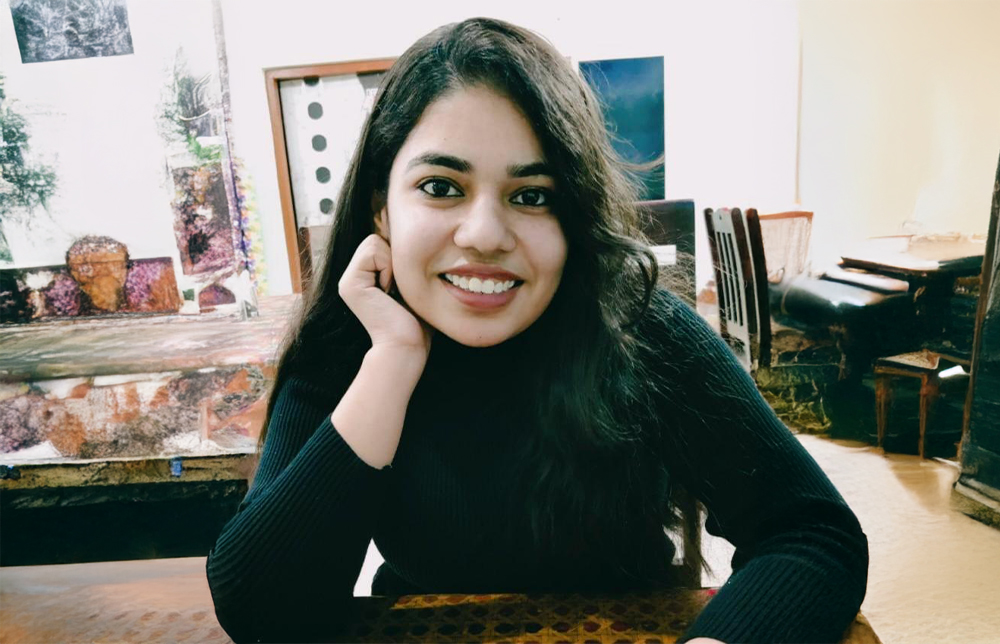
For Niyati Varshney, the decision to prepare for JEE Main Paper 2 came from her interest in drawing, sketching, design, and architecture. While she was not interested in preparing for JEE initially, her interest in the creative side of architecture encouraged her to explore the exam.
Her preparation involved Maths, Aptitude, and Drawing. Among these sections, Maths was the most challenging for her. She focused on solving more questions, revising concepts, and practising regularly. For the design section, she worked mainly on perspective and composition-based questions.
Niyati also followed a realistic study schedule. She focused on maintaining consistency instead of trying to complete too many tasks in one day. Her efforts eventually helped her secure 99.96 percentile in JEE Main Paper 2.
Niyati Chose Architecture After Discovering Her Interest in Drawing
Niyati did not initially plan to prepare for JEE. She was not interested in the usual JEE preparation route. However, her interest in drawing and sketching made her consider architecture as a career option.
She explained how she made this decision:
“Studying for JEE and I was just like no, I'm not going to do this and starting see I used to like drawing and sketching and I had like interest in that so I decided that I do architecture.”
Once she decided to pursue architecture, she started preparing for the required sections. She had already used Physics Wallah for Maths in Class 11. Later, when PW launched its Design batch, she used it for Logical Reasoning and DPPs as well.
This gave her a preparation path that covered both the academic and design-related parts of the exam.
Niyati Focused on Maths Through Regular Practice
Maths was the section Niyati found the most challenging. She knew that understanding concepts was important, but she also realised that regular question practice was necessary.
She followed a simple approach during the exam as well. Instead of attempting every question without certainty, she first went through the paper and attempted questions she was confident about.
Explaining her approach, she said:
“Like, first I read all the questions, then the questions that I found easy I did those and the questions that I was sure about, because negative marking is also there so like I only did the questions that I was very sure about.”
Her preparation for Maths also focused on practice. She believed that solving more questions helped her understand different types of problems and improved her familiarity with the subject.
She said:
“I think practice is very important in math because like the more questions you do, the more ideas you get.”
Niyati also identified topics such as coordinate geometry and circles as important areas from her preparation experience. She advised students to revise Class 11 topics as well instead of focusing only on the later syllabus.
PW Helped Niyati With Maths and Design Preparation
PW played an important role in Niyati’s preparation. She had been using PW for Maths from the beginning of Class 11. The lectures and DPPs helped her practise and strengthen her preparation.
When the PW Design batch was launched, she used it for Logical Reasoning and DPPs. She also used design-related videos to improve her drawing preparation.
Talking about PW’s contribution, Niyati said:
“PW helped me a lot for math as I said the dpps the lectures everything I used to do physics Wallah from from like 11th beginning so yeah for man it definitely help me and then for the design like the drawing section as well saki M's videos help me for like perspective and everything.”
The support was useful across different parts of the preparation. Maths lectures and DPPs helped her with the academic section, while design videos helped her work on areas such as perspective.
Her preparation therefore combined regular academic practice with focused design preparation.
Niyati Kept Her Drawing Preparation Focused
Drawing was Niyati’s favorite section. She enjoyed sketching and used that interest while preparing for the exam.
For the architecture paper, she focused mainly on perspective and composition-based questions. She did not spend as much time practising posters. She also realised after the exam that she should have practised the copying-based question more.
She explained:
“I think for like architecture exam I didn't like pay that I didn't do that much practice of posters and all of that I just did perspective and I did like question you have like these objects and you're supposed to make a composition of that so I practiced those two questions I actually didn't practice the copying at all but like I should have done that.”
Her regular drawing practice included perspective sketches. She tried to sketch at least one perspective or one question every day.
She said:
“But mostly I used to try my hard sketch like one perspective one question at least every day.”
This daily practice helped her keep drawing connected to her preparation instead of treating it as a subject that required occasional practice.
Niyati Used a Clear Time Strategy During the Exam
Niyati also had a specific strategy for managing her time in the exam. Since she was comfortable with Aptitude, she attempted that section first.
She completed Aptitude in around 40 minutes. After that, she gave around 1 hour 15 minutes to Maths and kept the Drawing section for the end.
She explained:
“What I did was like, I was good in the app section so I finished that off first I did that in the first 40 minutes, and then I gave like 1 hour 15 minutes to math and then I did the drawing part.”
Her decision to keep drawing for the end was based on her own experience. She knew that once she started drawing, she could spend more time on it than planned.
She said:
“I think some people do drawing first but that didn't work for me because if I start drawing first, then I won't be able to stop at 1 hour so yeah I always kept drawing for last so that I have the time restriction.”
This shows why students can benefit from understanding their own strengths and weaknesses before deciding how to divide exam time.
Niyati Stayed Calm Despite Exam-Day Problems
Niyati also faced an unexpected issue during the exam. The computer mouse was not working properly, which made it difficult for her to scroll quickly.
This made her nervous during the exam. However, instead of letting the problem affect the rest of her paper, she decided to move on and focus on completing the exam.
She recalled:
“I was actually really nervous cuz the screen like the mouse wasn't working properly so I wasn't able to scroll up scroll down as fast as like it it can be but then like I was just like okay fine leave it and then I get it anyways just drank water and yeah.”
Staying calm helped her avoid spending too much mental energy on the technical issue. She continued with the paper and focused on the sections she could control.
Niyati Received Strong Support From Her Family
Niyati’s family also played an important role in her preparation. Her mother helped her with Maths and would even watch the lectures before explaining the concepts to her.
She shared:
“My mother used to teach me math in 11th, and then she used to teach it to me I didn't even like to study the lectures directly. She used to watch the lectures, and then she used to tell me the summary separately, so that really helped me a lot.”
Her sister also supported her when she had doubts. Since her sister had already completed engineering, she could help Niyati with questions related to her preparation.
Niyati said:
“My sister also she she's like seven years older than me, so she has already done her engineering and everything. She also helped me with the doubts I had and everything, so yeah, they were very supportive.”
The support from her family gave her additional help during the preparation journey.
Niyati’s 99.96%ile Result Reflected Her Consistent Effort
Niyati’s preparation was built around regular practice. She worked on Maths through repeated question solving, practised perspective and composition for the design section, and maintained a realistic schedule.
She also learned from her preparation experience. She understood the importance of revising Class 11 topics, managing time properly, and staying calm during the exam.
Her journey shows that preparation does not always begin with complete certainty. Niyati initially did not want to prepare for JEE, but her interest in drawing and architecture changed her direction. Once she made the decision, she worked consistently towards it.
Her advice to future aspirants was simple:
“You should practice daily; you should like sketching daily; you should do maths, do everything. Practice makes perfect, and also, if you don't like don't get stressed out; do it with a relaxed mind.”
Niyati Varshney’s 99.96%ile in JEE Main Paper 2 reflects the value of consistent practice, realistic planning, and staying calm under pressure. Her experience can encourage students to identify their strengths, work on their weaker areas, and follow a preparation routine they can sustain over time.







 Live & recorded classes available at easeDashboard for progress trackingMillions of practice questions at your fingertips


