






Endometriosis Causes, Symptoms, Diagnosis, Complications, And Treatment Process
Endometriosis is a painful disorder where tissue similar to the uterine lining grows outside the uterus and causes inflammation and scarring. Learn more about the causes, symptoms, diagnosis, complications, and treatment process here.
 Nivedita Dar6 Aug, 2024
Share
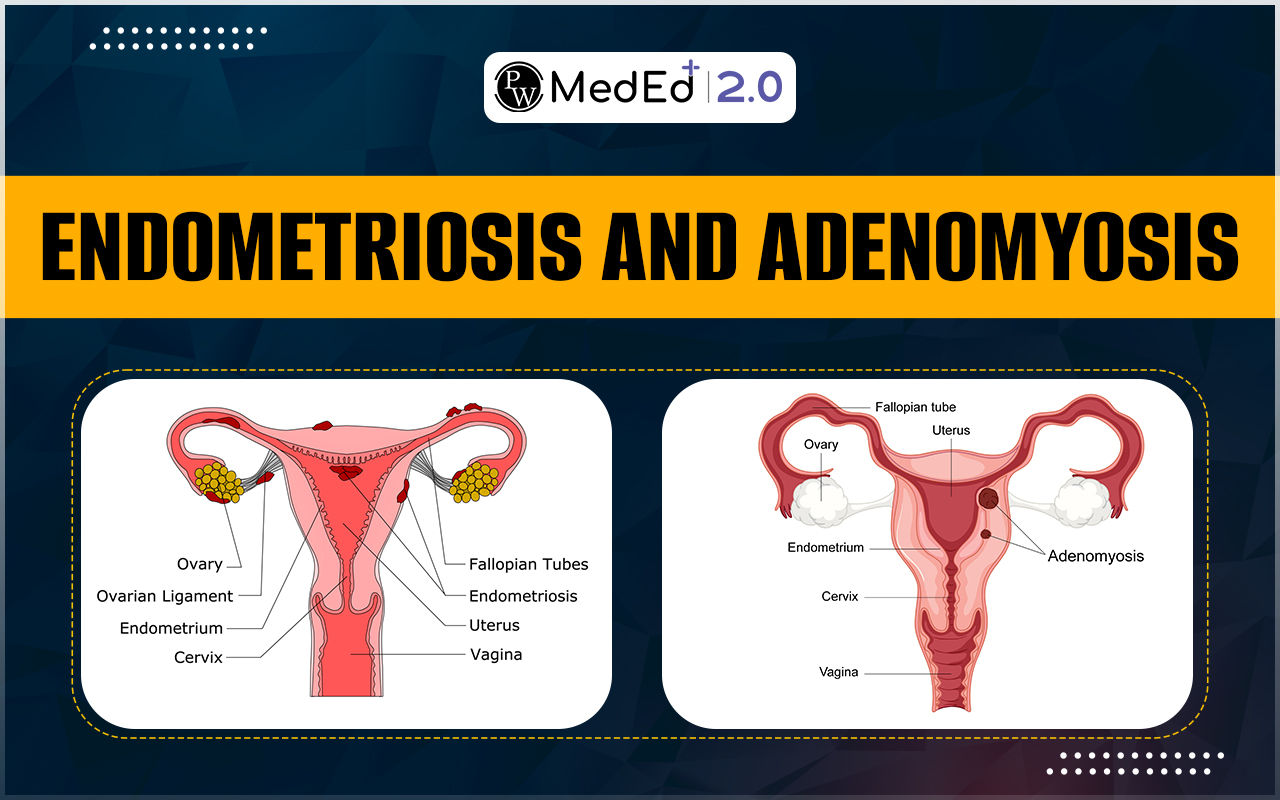
Endometriosis is a medical condition that develops when tissues similar to those of your uterus lining grow outside the uterus in areas of your abdomen and pelvis. It may result in painful, heavy periods and infertility issues. Proper treatment can help you manage the illness and its complications.
What is Endometriosis?
During endometriosis, the tissues of the inner lining of your uterus (endometrium), which shed during the menstrual cycle, grow outside the uterus. It ruptures and bleeds at the end of the menstrual cycle but is not removed from the body. Instead, it can increase in your pelvis, abdomen, or other parts. Because of its sensitivity to hormones, this tissue may become inflamed and result in persistent discomfort, irregular menstruation, and problems with conception.Causes of Endometriosis
Physicians are unsure of the precise cause of endometriosis. According to some specialists, endometrial cells from menstrual blood may re-enter your pelvic cavity through your fallopian tubes and adhere to your organs there. The other possible causes include:- Your genetic structure may be involved.
- Immune system abnormalities may also trigger endometriosis.
- Hormones or immunological factors encourage peritoneal cells to change into endometrial-like cells.
- During puberty, hormones like estrogen can change embryonic cells that resemble endometrial tissue.
- Endometrial cells can adhere to surgical incisions following procedures like hysterectomy or C-sections.
- The cells may be transported to other body areas via the lymphatic system or blood vessels.
Symptoms of Endometriosis
Endometriosis symptoms might vary from minor to severe, depending on the individual. Typical endometriosis symptoms include:- Painful periods: Cramps and pelvic pain can occur days before or after the menstrual cycle. You can also experience stomach and lower back aches.
- Pain during sex: Endometriosis patients often experience pain during or after intercourse.
- Discomfort with bowel motions or urination : These symptoms are more likely to occur before or during your menstrual cycle.
- Excessive menstrual bleeding : Patients occasionally experience menstrual solid flow or bleeding between periods.
- Other symptoms: These may include fatigue, constipation, diarrhea, nausea, and bloating.
Endometriosis Stages
Considering the extent of the endometrial tissue, its depth, and the body parts impacted, endometriosis can be classified into four stages as follows:- Stage 1 (minimal): The ovaries have superficial endometrial growths and little lesions or sores. There are inflammations in surrounding tissues in your pelvic cavity.
- Stage 2 (Mild): Light lesions and superficial implants on the lining of the pelvis and ovaries are signs of mild endometriosis.
- Stage 3 (Moderate): Several deep implants or lesions develop on your ovaries and pelvic walls.
- Stage 4 (severe): Numerous tissue growths occur on your ovaries and pelvic lining, as tumours on your intestines and fallopian tubes. You may have cysts on one or both of your ovaries.
Risk Factors for Endometriosis
Awareness of its risk factors can assist you in assessing your likelihood of contracting this illness. Endometriosis is more likely to strike people who satisfy the following conditions:- There is a close family member who has endometriosis.
- Possess a low body mass index.
- Experiences brief menstrual cycles with less than a 28-day interval.
- Heavy periods extend over a week.
- The first period started at a very young age.
- Experienced menopause at an older age.
- I have never given birth.
- Have elevated estrogen levels
- Possess a medical condition that prevents normal flow during periods.
Complications of Endometriosis
If you have endometriosis, several potential medical issues may arise, as follows:- Endometriosis may create problems when pregnant.
- Endometriosis patients may experience pain during bowel or urine motions, as well as occult blood in their stool or urine.
- Sometimes, kidney swelling occurs due to severe endometriosis of the tube that transports urine from your kidney to your bladder.
- Endometriosis affecting the lung or diaphragm can lead to breathing difficulties, chest pain, or pulmonary issues.
Diagnosis of Endometriosis
The diagnosis of endometriosis is primarily based on your symptoms. The doctor may ask for more details about your and your family's medical history and the duration of symptoms. The physician may recommend specific tests to look for endometriosis, which are as follows:- Pelvic exam: The doctor will physically examine various places in your pelvis to look for any unexpected changes. It helps identify scars behind the uterus, painful regions, or uneven growths such as cysts on the reproductive organs.
- Ultrasound: This test uses sound waves to get images of the body's interior. A transducer may be applied to the stomach region or into the vagina to obtain vivid images. A routine ultrasound may not always determine endometriosis, but it can detect cysts associated with the disease.
- Magnetic Resonance Imaging (MRI): This examination uses radio waves and a magnetic field to create images of the body's organs and tissues. An MRI provides specific information regarding the size and location of growths caused by endometriosis that aids in surgery planning for certain patients.
- Laparoscopy: During a laparoscopy, the surgeon makes a small incision close to your navel to insert a thin viewing device called a laparoscope to look inside the abdomen for endometriosis tissues.
Treatment for Endometriosis
The severity of your symptoms and whether or not you intend to become pregnant will determine the course of treatment. Initially, medication is usually advised. If it doesn't give effective results, surgery can be an alternative.Medicines for Pain Relief
Your physician might suggest nonsteroidal anti-inflammatory medicines (NSAIDs) like naproxen (Aleve) or ibuprofen (Advil, Motrin) for quick relief.Hormone Therapy
Using more hormones might reduce pain and control the endometriosis's growth. Hormone therapy helps control the monthly fluctuations in hormones that encourage tissue growth in endometriosis. Hormone therapy usually includes the following:- Hormone contraceptives : The hormones that cause this problem can be controlled with the use of contraceptive pills, injections, and other methods.
- Agonists and antagonists of gonadotropin-releasing hormone (Gn-RH ): These drugs decrease estrogen levels and interfere with the menstrual cycle, resulting in a shrinkage in endometriosis tissues.
- Progestin medication : Progestin, a hormone involved in the menstrual cycle and pregnancy, is produced in laboratories and used in therapies to halt the formation of tissues and ease the menstrual cycles.
- Aromatase inhibitors: To treat endometriosis, the doctor might suggest an aromatase inhibitor in addition to progestin or combination birth control tablets.
Conservative Surgery
Removing or eliminating endometrial growths without damaging the reproductive organs is the aim of conservative surgery. It is helpful for those who are experiencing severe pain but are responding to other therapies and wish to become pregnant. Laparoscopic surgery can be used to treat the majority of endometriosis patients, even the most severe ones. You may need some hormone medication to help with pain management after the surgery.Hysterectomy
A hysterectomy is considered the last resort treatment to deal with endometriosis. It involves removing the uterus and ovaries, which cuts off the estrogen supply and stops unwanted tissue formation. Hysterectomy is effective in treating endometriosis symptoms in individuals who do not wish to become pregnant. Download the PW MedEd app and clear your upcoming NEET PG exam with good ranks in the first attempt.Endometriosis FAQs
Which age group is more prone to endometriosis?
This problem commonly manifests in women between 30 and 40 years old, although some younger people may also experience it during puberty.
Is endometriosis genetic?
According to some medical professionals, having a family history of the illness increases the chances of getting it afterward.
What are the common areas of the body where endometriosis can develop?
This problem can develop in the uterus, outer lining, ovaries, fallopian tubes, bladder, intestines, or other areas of the abdomen and pelvic region.
Do eating habits have a connection with endometriosis?
Some medical experts suggest that the high-fat content of meat stimulates a chemical that may cause more estrogen generation, leading to the growth of excess endometrial tissues.
🔥 Trending Blogs


Talk to a counsellorHave doubts? Our support team will be happy to assist you!


Check out these Related Articles




Join 15 Million students on the app today!
 Live & recorded classes available at easeDashboard for progress trackingMillions of practice questions at your fingertips


Free Learning Resources
PW Books
Notes (Class 10-12)
PW Study Materials
Notes (Class 6-9)
Ncert Solutions
Govt Exams
Our Other Websites
Class 6th to 12th Online Courses
Govt Job Exams Courses
UPSC Coaching
Defence Exam Coaching
Gate Exam Coaching
Other Exams
Know about Physics Wallah
Physics Wallah is an Indian edtech platform that provides accessible & comprehensive learning experiences to students from Class 6th to postgraduate level. We also provide extensive NCERT solutions, sample paper, NEET, JEE Mains, BITSAT previous year papers & more such resources to students. Physics Wallah also caters to over 3.5 million registered students and over 78 lakh+ Youtube subscribers with 4.8 rating on its app.
We Stand Out because
We provide students with intensive courses with India’s qualified & experienced faculties & mentors. PW strives to make the learning experience comprehensive and accessible for students of all sections of society. We believe in empowering every single student who couldn't dream of a good career in engineering and medical field earlier.
Our Key Focus Areas
Physics Wallah's main focus is to make the learning experience as economical as possible for all students. With our affordable courses like Lakshya, Udaan and Arjuna and many others, we have been able to provide a platform for lakhs of aspirants. From providing Chemistry, Maths, Physics formula to giving e-books of eminent authors like RD Sharma, RS Aggarwal and Lakhmir Singh, PW focuses on every single student's need for preparation.
What Makes Us Different
Physics Wallah strives to develop a comprehensive pedagogical structure for students, where they get a state-of-the-art learning experience with study material and resources. Apart from catering students preparing for JEE Mains and NEET, PW also provides study material for each state board like Uttar Pradesh, Bihar, and others
Copyright © 2026 Physicswallah Limited All rights reserved.