






Cross Cultural Communication - Definition, Tips, Examples
 Nikita Aggarwal24 Mar, 2026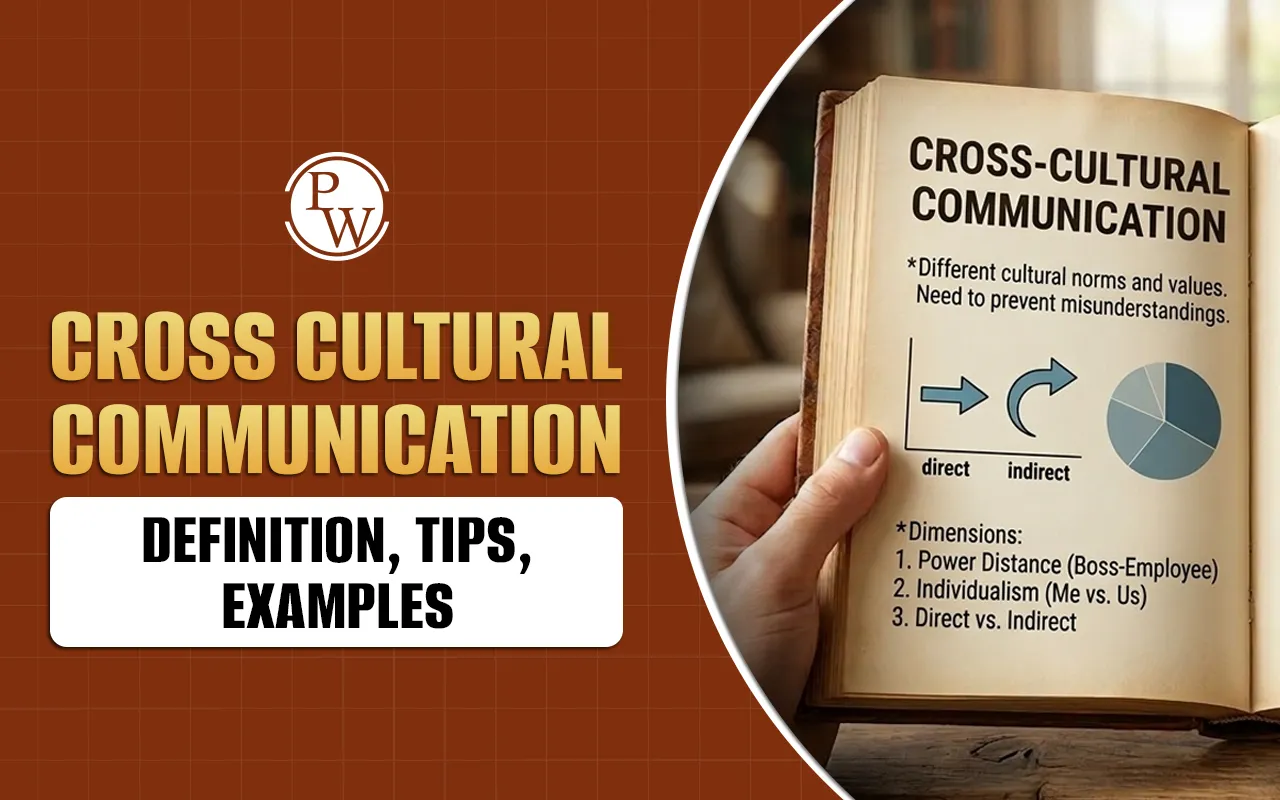
What is Cross Cultural Communication?
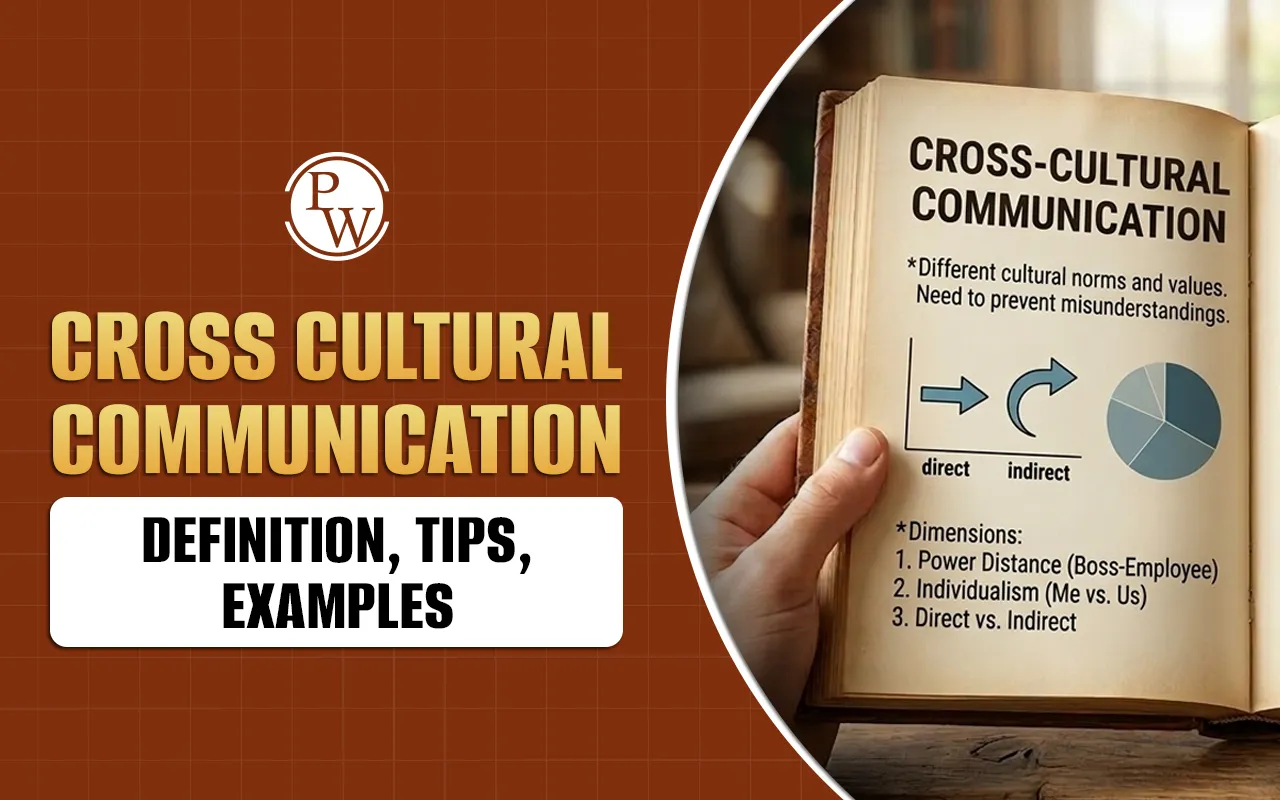
It is a field of study that looks at how people from different cultural backgrounds endeavour to communicate. This does not just mean speaking different languages; it includes differences in body language, personal space, and even the way people think about time or authority.
When we ask what is cross cultural communication, we are looking at the exchange of both verbal and non-verbal messages. Culture acts as a "filter" through which we see the world. If two people have different filters, the message sent by one might be received quite differently by the other. Understanding this process helps us adjust our behaviour to ensure our message is clear and respectful.
Importance of Cross Cultural Communication
In our modern, connected world, the importance of cross cultural communication cannot be overstated. We no longer live in isolated bubbles. Schools, workplaces, and social media platforms are melting pots of different traditions and viewpoints.
-
Reducing Conflict: Many international arguments happen because of simple misunderstandings. Knowing cultural norms prevents these small sparks from becoming big fires.
-
Building Trust: When you show that you have researched and respected someone else's culture, they are more likely to trust and cooperate with you.
-
Global Teamwork: Businesses today operate across borders. Teams that master cross cultural communication are much more creative and successful because they combine different ways of thinking.
-
Personal Growth: Learning how others see the world makes you a more empathetic and open-minded person.
Different Types of Cross Cultural Communication
Communication is not just about the words we speak. To truly master this skill, we must understand the different ways people share information across borders.
Verbal Communication
This refers to the actual words used. However, it is not just about the language itself but the "tone" and "directness." Some cultures value being very blunt and getting straight to the point, while others find this rude and prefer to use softer, more indirect language.
Non-Verbal Communication
This includes everything that isn't spoken. Facial expressions, hand gestures, and posture fall into this category. For example, in some cultures, a firm handshake shows strength, while in others, a gentle touch is preferred as a sign of respect.
Visual Communication
Sometimes we communicate through signs, symbols, and colours. In some countries, the colour white is worn at weddings to represent purity, whereas in others, it is worn at funerals to represent mourning. Understanding these visual cues is a big part of cross cultural communication.
Written Communication
The way we write emails or letters also changes. Some cultures prefer very formal greetings and a long introduction, while others prefer a quick "Hi" followed immediately by the main message.
Read More - Consonants - Definition, Uses, Examples
Factors That Affect Cross Cultural Communication
Communication is not just about words; several underlying factors influence how a message is interpreted between cultures. According to experts, these are the most significant elements:
Language and Accents
Even if two people speak the same language, like English, different dialects or accents can create barriers. A word that is common in one country might be confusing or even offensive in another.
Non-Verbal Cues
This includes facial expressions, gestures, and eye contact. For instance, in some cultures, smiling is a sign of friendliness, while in others, it might be used to cover up embarrassment or confusion.
Values and Beliefs
Different cultures value different things. Some cultures focus on the "individual" (doing what is best for yourself), while others focus on the "group" (doing what is best for the family or community). These values change how people talk to each other.
Perception of Time
In "monochronic" cultures, time is seen as linear and people value being exactly on time. In "polychronic" cultures, time is more fluid, and relationships are often considered more important than a strict schedule.
Read More - Coordinating Conjunctions - Definition, Types & Examples
Cross Cultural Communication Examples
Looking at cross cultural communication examples helps us see these theories in action. These scenarios show how easily things can go wrong without cultural awareness.
-
Eye Contact: In many Western cultures, looking someone in the eye shows honesty and confidence. However, in some Eastern and African cultures, prolonged eye contact with an elder or a superior can be seen as a sign of disrespect or aggression.
-
Personal Space: If you are from a "cool" culture, you might prefer standing at arm's length. If you speak to someone from a "warm" culture, they might stand very close to you. One person might feel crowded, while the other feels you are being distant.
-
Gift Giving: In some cultures, it is polite to open a gift immediately in front of the giver. In others, you should set it aside to open privately later so you don't seem greedy.
-
Punctuality: For some, arriving five minutes late is a huge insult. For others, a meeting set for 2:00 PM is just a suggestion, and the actual talk might start at 2:30 PM.
Tips to Improve Cross Cultural Communication
Improving your ability to interact with diverse groups is a journey of self-awareness and practice. For students, these cross cultural communication tips are especially helpful for growth:
-
Develop Self-Awareness: Start by understanding your own cultural biases. Recognise that your way of doing things is just one way, not the "only" or "correct" way.
-
Practice Active Listening: Do not just wait for your turn to speak. Listen to the words, the tone, and observe the body language of the other person to grasp the full cross cultural communication meaning.
-
Engage in Cultural Exchange: Make an effort to talk to people from different backgrounds. Join international clubs or participate in online forums where diverse viewpoints are shared.
-
Be Mindful of Non-Verbal Cues: Pay attention to how people use their hands, how close they stand, and their level of eye contact. Adjusting your own non-verbal signals can make others feel much more comfortable.
-
Ask for Clarification: If you are unsure if you understood someone correctly, ask politely. Saying "Could you explain that again?" shows that you value the conversation and want to get it right.
-
Learn Basic Phrases: Even if you are speaking English, learning a few polite words in the other person's native language can go a long way in building a friendly bond.
Help Your Child Build Strong English Skills with PW CuriousJr
PW CuriousJr offers carefully designed online English classes that make learning simple and effective for young learners. With small batch sizes, each child gets individual attention, leading to better understanding and guidance. Interactive activities keep students engaged while helping them gain confidence in reading, writing, speaking, and listening.
The curriculum follows internationally recognized English standards, allowing children to use the language comfortably in everyday situations. Each course is clear, structured, and easy to understand, ensuring a smooth and enjoyable learning journey.
Along with live classes, students also get access to recorded video lessons for revision and extra practice. These recordings help them revisit concepts anytime and learn at their own pace. Together, live sessions and recorded content create a complete and well-rounded English learning experience.
Cross Cultural Communication FAQs
What is cross cultural communication in simple terms?
Why is the importance of cross cultural communication growing?
Can you give cross cultural communication examples of non-verbal cues?
What are the best cross cultural communication tips for students?
















 Live & recorded classes available at easeDashboard for progress trackingMillions of practice questions at your fingertips

