Important Personalities for UPSC Exam, List of Famous Personalities
Important personalities for UPSC include famous historical figures and leaders. Read on to learn the names of important personalities for UPSC exam preparation.
 Deeksha Dixit11 Sept, 2024
Important Personalities for UPSC Exam: In the UPSC Civil Services exam , questions on personality in news and the contribution of famous personalities in Indian history are often asked. Therefore, learning about important personalities and their contributions is crucial as a part of UPSC CSE preparation.
A well-rounded study of important personalities for UPSC is essential for aspirants as it helps them grasp the significant contributions and roles these individuals played in shaping history, society, and world affairs. Keep reading to learn about important personalities for UPSC preparation.Important Personalities in Indian History for UPSC
The UPSC Mains GS 1 syllabus topic includes significant ‘Personalities in Modern History' and their contribution. Here is the list of important personalities in Indian History which you must know for UPSC exam:Mahatma Gandhi
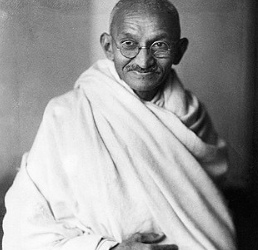 Known as the
"Father of the Nation,
" he led India's non-violent struggle for independence through movements like the Non-Cooperation Movement, Salt March, and Quit India Movement. His philosophy of Satyagraha (truth and non-violence) played a key role in shaping India's independence movement.
Known as the
"Father of the Nation,
" he led India's non-violent struggle for independence through movements like the Non-Cooperation Movement, Salt March, and Quit India Movement. His philosophy of Satyagraha (truth and non-violence) played a key role in shaping India's independence movement.
Rabindranath Tagore
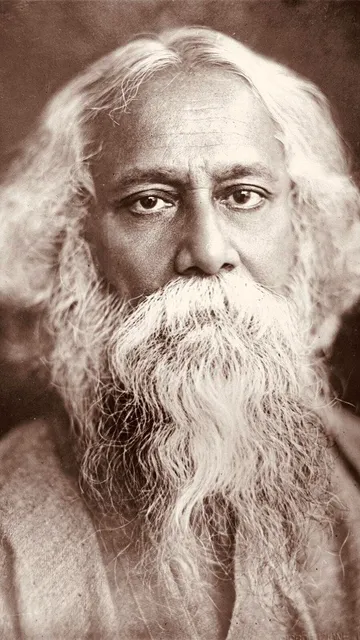 A
Nobel Laureate
in Literature, Tagore was a poet, philosopher, and cultural reformer. He wrote India's national anthem and was deeply involved in the cultural renaissance of Bengal, promoting ideas of humanism, education, and nationalism.
A
Nobel Laureate
in Literature, Tagore was a poet, philosopher, and cultural reformer. He wrote India's national anthem and was deeply involved in the cultural renaissance of Bengal, promoting ideas of humanism, education, and nationalism.
Lala Lajpat Rai
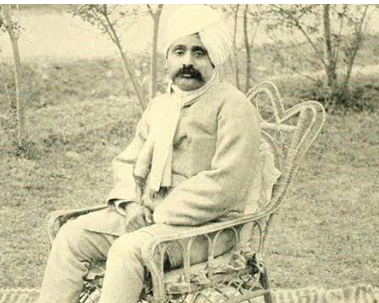 Known as the
"Lion of Punjab,"
Lajpat Rai was a nationalist leader and a key figure in the
Lal-Bal-Pal trio
. He actively participated in the freedom struggle, and his martyrdom after police brutality during a protest against the Simon Commission inspired further resistance.
Known as the
"Lion of Punjab,"
Lajpat Rai was a nationalist leader and a key figure in the
Lal-Bal-Pal trio
. He actively participated in the freedom struggle, and his martyrdom after police brutality during a protest against the Simon Commission inspired further resistance.
Bal Gangadhar Tilak
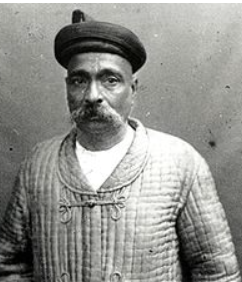 Known as the
"Lion of Maharashtra,
" Tilak was one of the early leaders of the Indian independence movement. He founded two famous newspapers, Kesari (Marathi) and Maratha (English). His slogan
"Swaraj is my birthright, and I shall have it
" inspired many.
Known as the
"Lion of Maharashtra,
" Tilak was one of the early leaders of the Indian independence movement. He founded two famous newspapers, Kesari (Marathi) and Maratha (English). His slogan
"Swaraj is my birthright, and I shall have it
" inspired many.
Sardar Vallabhbhai Patel
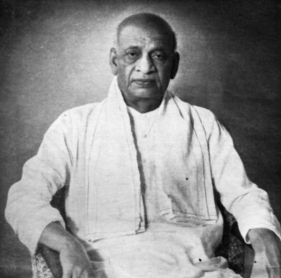 Popularly known as the
"Iron Man of India,"
Patel was a key figure in India's struggle for independence who mobilized farmers in
Kheda, Gujarat
against the Britisher's decision to impose high taxes despite a crop failure. He later helped integrate the princely states into the newly independent nation.
Popularly known as the
"Iron Man of India,"
Patel was a key figure in India's struggle for independence who mobilized farmers in
Kheda, Gujarat
against the Britisher's decision to impose high taxes despite a crop failure. He later helped integrate the princely states into the newly independent nation.
Jawaharlal Nehru
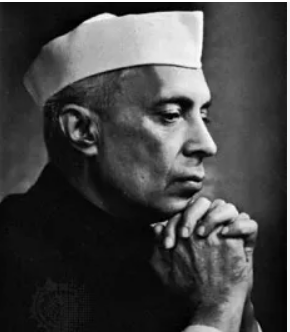 During the freedom movement, Nehru was a staunch advocate of
‘Purna Swaraj’
, or complete independence, and played a vital role in articulating the vision of an independent India. He went on to become the
first Prime Minister of independent India
playing a key role in shaping the modern Indian state and its policies.
During the freedom movement, Nehru was a staunch advocate of
‘Purna Swaraj’
, or complete independence, and played a vital role in articulating the vision of an independent India. He went on to become the
first Prime Minister of independent India
playing a key role in shaping the modern Indian state and its policies.
Subhash Chandra Bose
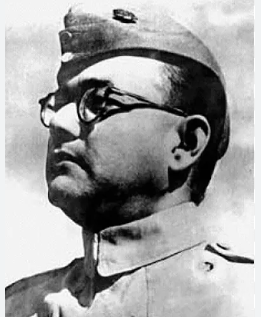 A revolutionary leader who served as the president of the Indian National Congress from 1938 to 1939, and formed
Forward Bloc
in 1939. He formed the
Indian National Army
(INA) for the second time in 1942 to fight British colonial rule. His call,
"Give me blood, and I will give you freedom
," motivated many to join the freedom struggle.
A revolutionary leader who served as the president of the Indian National Congress from 1938 to 1939, and formed
Forward Bloc
in 1939. He formed the
Indian National Army
(INA) for the second time in 1942 to fight British colonial rule. His call,
"Give me blood, and I will give you freedom
," motivated many to join the freedom struggle.
Dr. B.R. Ambedkar
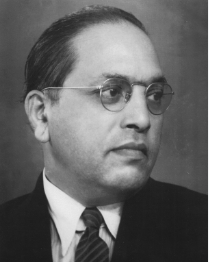 Dr. Bhimrao Ramji Ambedkar was a prominent leader of the Dalits and the principal architect of the Indian Constitution. He fought for social justice, especially for marginalized communities in India. Ambedkar’s thoughts and reformative ideas were widely discussed in his seminal work,
"Annihilation of Caste,"
which highlighted his commitment to ending social inequalities.
Dr. Bhimrao Ramji Ambedkar was a prominent leader of the Dalits and the principal architect of the Indian Constitution. He fought for social justice, especially for marginalized communities in India. Ambedkar’s thoughts and reformative ideas were widely discussed in his seminal work,
"Annihilation of Caste,"
which highlighted his commitment to ending social inequalities.
Madam Bhikaiji Cama
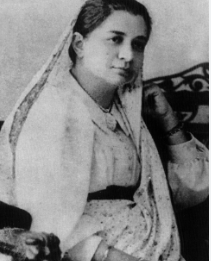 Also known as the
“Mother of the Indian Revolution”,
Bhikaiji Cama was a prominent figure in the Indian independence movement. She actively participated in revolutionary activities and was known for her role in the international arena. Madam Cama is known for being the f
irst person to hoist the Indian flag in a foreign land
(22 August 1907).
Also known as the
“Mother of the Indian Revolution”,
Bhikaiji Cama was a prominent figure in the Indian independence movement. She actively participated in revolutionary activities and was known for her role in the international arena. Madam Cama is known for being the f
irst person to hoist the Indian flag in a foreign land
(22 August 1907).
Sarojini Naidu
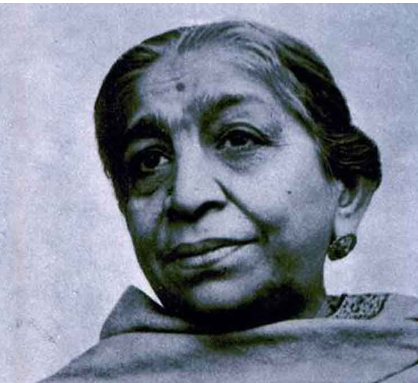 Known as the
"Nightingale of India,
" Naidu was a poet and a prominent freedom fighter who also became the
first Indian woman to become the president of the Indian National Congress
. Her speeches and literary works inspired many, and she played a crucial role in mobilizing women and communities in the struggle for independence.
These personalities left an enduring impact on India's history, contributing not only to the freedom struggle but also to cultural, social, and intellectual movements.
Known as the
"Nightingale of India,
" Naidu was a poet and a prominent freedom fighter who also became the
first Indian woman to become the president of the Indian National Congress
. Her speeches and literary works inspired many, and she played a crucial role in mobilizing women and communities in the struggle for independence.
These personalities left an enduring impact on India's history, contributing not only to the freedom struggle but also to cultural, social, and intellectual movements.
Important Personalities in World History for UPSC
Important personalities in world history for UPSC shaped global political, economic, and social movements, making their contributions critical for understanding modern world history. Here is the list of key historical figures for the UPSC exam:| Important Personalities in World History | |
| Personality | Contribution |
| Nelson Mandela | Ended apartheid in South Africa and became a global symbol of resistance against oppression. |
| Abraham Lincoln | Led the U.S. through the Civil War , abolished slavery, and laid the groundwork for civil rights. |
| Napoleon Bonaparte | Reformed France's military and legal systems; his Napoleonic Code influenced global legal systems. |
| Martin Luther King Jr. | Led the American civil rights movement and promoted nonviolent activism for racial equality. |
| Karl Marx | Developed ideas on communism and socialism that deeply influenced global politics and sparked many 20th-century movements. |
| Winston Churchill | As British Prime Minister during World War II, he inspired resistance against Nazi Germany and is noted for his wartime leadership. |
| Adam Smith | Known as the father of modern economics, his work "The Wealth of Nations" laid the foundations for economic theory and capitalism. |
| Franklin D. Roosevelt | Led the U.S. through the Great Depression and World War II with New Deal policies that reshaped American government and society. |
Important Personalities in News for UPSC
In addition to contemporary figures, several historical personalities continue to be relevant in the news this year. Candidates must be updated with current affairs personalities for UPSC by following the ‘ https://pwonlyias.com/daily-current-affairs/ ’. Here are a few important personalities in news for UPSC CSE: Dadabhai Naoroji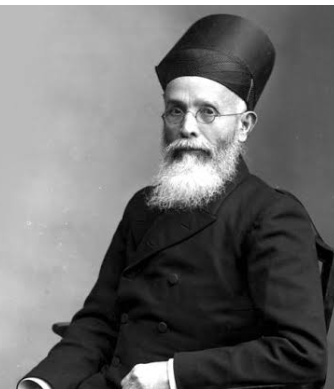 This year marked his 199th birth anniversary. Naoroji was the first Indian to become a British Member of Parliament and is known as the
"Grand Old Man of India."
He championed economic reforms and was a key figure in the Indian independence movement, introducing the concept of the “
drain of wealth”
from India under British rule.
Dr. Sarvepalli Radhakrishnan
This year marked his 199th birth anniversary. Naoroji was the first Indian to become a British Member of Parliament and is known as the
"Grand Old Man of India."
He championed economic reforms and was a key figure in the Indian independence movement, introducing the concept of the “
drain of wealth”
from India under British rule.
Dr. Sarvepalli Radhakrishnan
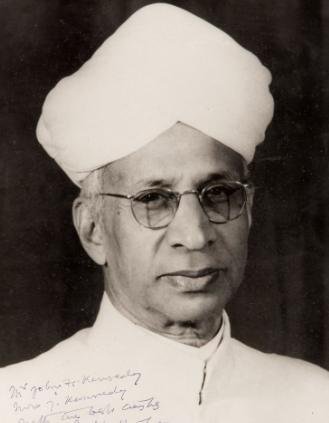 India commemorates his birth anniversary on
September 5th
, as Teacher's Day. A philosopher, statesman, and
India’s second President (1962 to 1967)
, Radhakrishnan is remembered for his contributions to education and global diplomacy. He authored several influential works, including
‘
Indian Philosophy’
and ‘
The Philosophy of the Upanishads
’.
Dr. Shyama Prasad Mukherjee
India commemorates his birth anniversary on
September 5th
, as Teacher's Day. A philosopher, statesman, and
India’s second President (1962 to 1967)
, Radhakrishnan is remembered for his contributions to education and global diplomacy. He authored several influential works, including
‘
Indian Philosophy’
and ‘
The Philosophy of the Upanishads
’.
Dr. Shyama Prasad Mukherjee
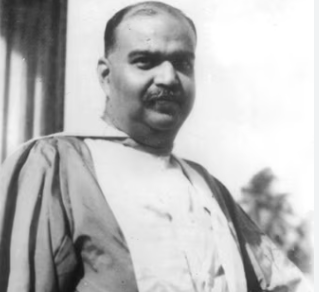 A prominent leader and founder of the
Bharatiya Jana Sangh (1951)
, Mukherjee’s contributions to India's education system were significant. He had become the youngest Vice-Chancellor of the University of Calcutta, serving from 1934 to 1938, and later, in 1944, he was elected president of the Hindu Mahasabha.
P.V. Narasimha Rao
A prominent leader and founder of the
Bharatiya Jana Sangh (1951)
, Mukherjee’s contributions to India's education system were significant. He had become the youngest Vice-Chancellor of the University of Calcutta, serving from 1934 to 1938, and later, in 1944, he was elected president of the Hindu Mahasabha.
P.V. Narasimha Rao
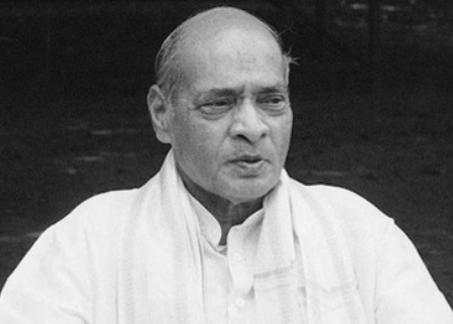 Recently, the Bharat Ratna, India’s highest civilian award, was conferred on former
Prime Minister PV Narasimha Rao
, recognizing his significant contributions to the nation. Rao, who served as the 9th Prime Minister of India from 1991 to 1996, is celebrated for his pivotal role in implementing the 1991 economic reforms during a severe financial crisis.
Savitribai Phule
Recently, the Bharat Ratna, India’s highest civilian award, was conferred on former
Prime Minister PV Narasimha Rao
, recognizing his significant contributions to the nation. Rao, who served as the 9th Prime Minister of India from 1991 to 1996, is celebrated for his pivotal role in implementing the 1991 economic reforms during a severe financial crisis.
Savitribai Phule
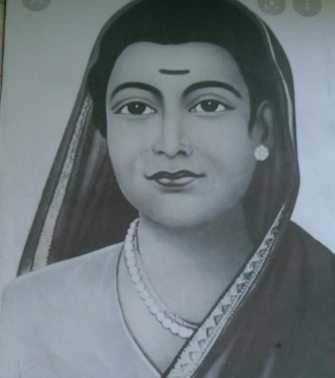 Known as India’s
first female teacher
and a key figure in social reform, Phule is celebrated for her efforts toward women’s education and empowerment, especially among the underprivileged. Her legacy, such as founding the
first school for girls in Pune
(1848), remains relevant in contemporary discussions on gender equality.
Do you find the UPSC syllabus challenging? Worry not, at Physics Wallah, experts offer the best learning material for the IAS exam. Enroll now in
top UPSC courses
for assured success!
Known as India’s
first female teacher
and a key figure in social reform, Phule is celebrated for her efforts toward women’s education and empowerment, especially among the underprivileged. Her legacy, such as founding the
first school for girls in Pune
(1848), remains relevant in contemporary discussions on gender equality.
Do you find the UPSC syllabus challenging? Worry not, at Physics Wallah, experts offer the best learning material for the IAS exam. Enroll now in
top UPSC courses
for assured success!
| UPSC Related Articles | ||
| UPSC Mains 2024 | UPSC Optional Subject | Books for UPSC Exam |
| Communism, Socialism, and Capitalism | Best Magazine for UPSC Preparation | Narendra Modi Biography |
Important Personalities for UPSC FAQs
What is the relevance of important personalities for UPSC exams?
Understanding important personalities is crucial for UPSC exams as it helps in answering questions related to their contributions and impact on history, society, and politics.
Who are the 10 great leaders of Indian history?
Key leaders include Mahatma Gandhi, Jawaharlal Nehru, Sardar Vallabhbhai Patel, Subhash Chandra Bose, Dr. B.R. Ambedkar, Lala Lajpat Rai, Bal Gangadhar Tilak, Rabindranath Tagore, Bhikaiji Cama, and Sarojini Naidu.
Who are the famous freedom fighters in the UPSC syllabus?
Notable freedom fighters include Mahatma Gandhi, Subhash Chandra Bose, Lala Lajpat Rai, Bhikaiji Cama, and Bal Gangadhar Tilak.
What role did Dr. B.R. Ambedkar play in the drafting of the Indian Constitution?
Dr. B.R. Ambedkar was the principal architect of the Indian Constitution, shaping its framework to ensure justice and equality for all citizens.
Which personalities are most frequently asked about in the UPSC exam?
Frequently asked personalities include Mahatma Gandhi, Jawaharlal Nehru, Sardar Vallabhbhai Patel, Dr. B.R. Ambedkar, and Subhash Chandra Bose.



Talk to a counsellorHave doubts? Our support team will be happy to assist you!


Join 15 Million students on the app today!
 Live & recorded classes available at easeDashboard for progress trackingMillions of practice questions at your fingertips


Free Learning Resources
PW Books
Notes (Class 10-12)
PW Study Materials
Notes (Class 6-9)
Ncert Solutions
Govt Exams
Our Other Websites
Class 6th to 12th Online Courses
Govt Job Exams Courses
UPSC Coaching
Defence Exam Coaching
Gate Exam Coaching
Other Exams
Know about Physics Wallah
Physics Wallah is an Indian edtech platform that provides accessible & comprehensive learning experiences to students from Class 6th to postgraduate level. We also provide extensive NCERT solutions, sample paper, NEET, JEE Mains, BITSAT previous year papers & more such resources to students. Physics Wallah also caters to over 3.5 million registered students and over 78 lakh+ Youtube subscribers with 4.8 rating on its app.
We Stand Out because
We provide students with intensive courses with India’s qualified & experienced faculties & mentors. PW strives to make the learning experience comprehensive and accessible for students of all sections of society. We believe in empowering every single student who couldn't dream of a good career in engineering and medical field earlier.
Our Key Focus Areas
Physics Wallah's main focus is to make the learning experience as economical as possible for all students. With our affordable courses like Lakshya, Udaan and Arjuna and many others, we have been able to provide a platform for lakhs of aspirants. From providing Chemistry, Maths, Physics formula to giving e-books of eminent authors like RD Sharma, RS Aggarwal and Lakhmir Singh, PW focuses on every single student's need for preparation.
What Makes Us Different
Physics Wallah strives to develop a comprehensive pedagogical structure for students, where they get a state-of-the-art learning experience with study material and resources. Apart from catering students preparing for JEE Mains and NEET, PW also provides study material for each state board like Uttar Pradesh, Bihar, and others
Copyright © 2026 Physicswallah Limited All rights reserved.