






Future Tense Worksheet for Class 2 Students
 Nikita Aggarwal16 Mar, 2026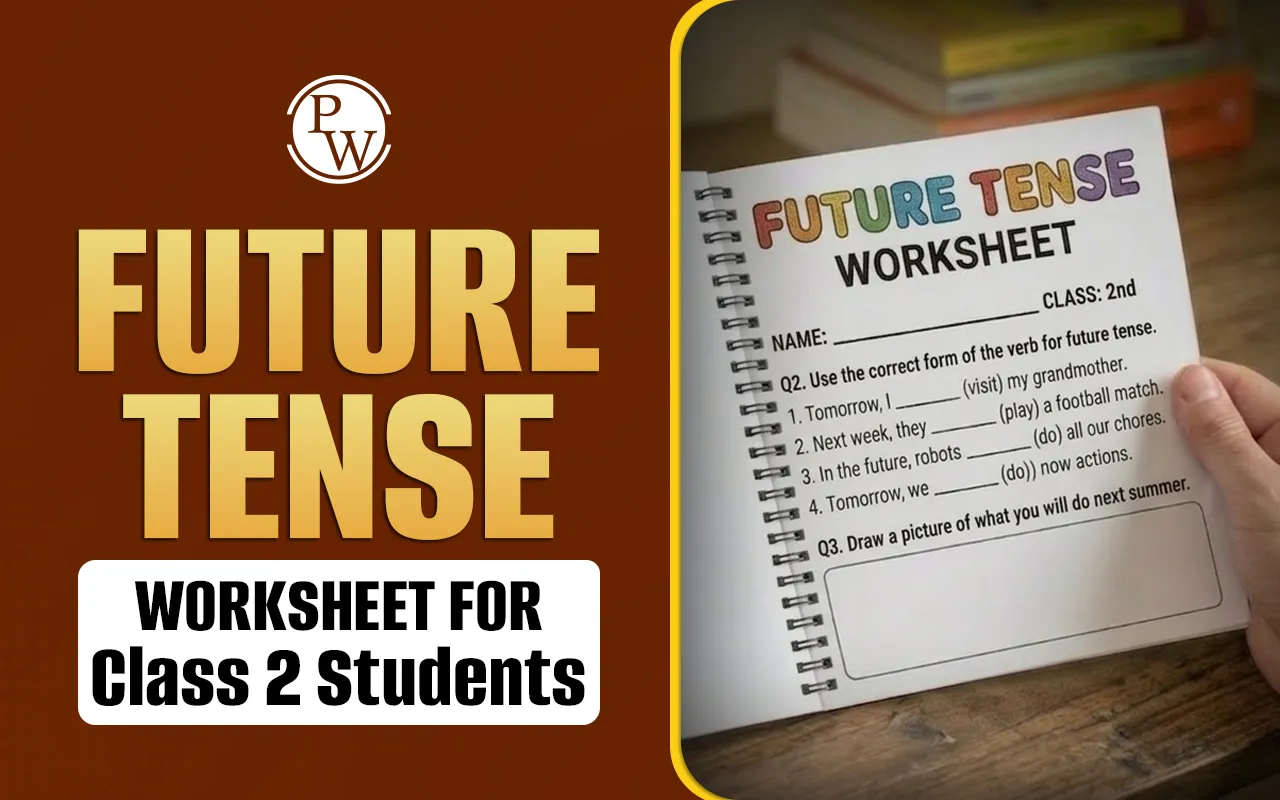
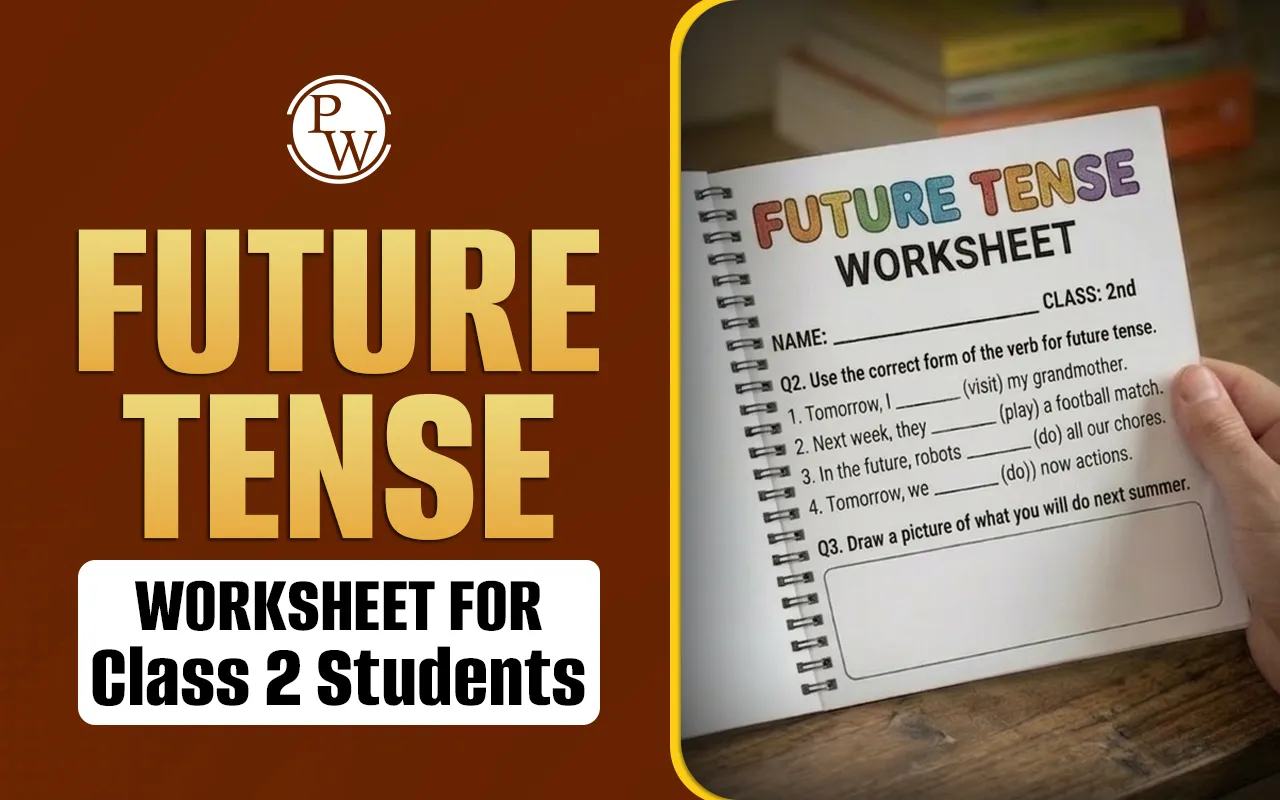
Mastering the way we talk about the time ahead is an exciting milestone for young learners. Using a future tense worksheet allows seven-year-olds to transition from talking about "now" to dreaming about "tomorrow." This foundational shift in language helps them grasp the concept of time and sequence more effectively in their daily speech.
In the English Cambridge curriculum, the focus is on simplicity and clarity. A well-structured worksheet of simple future tense introduces the "will + verb" formula in a way that feels like a game. This guide will walk you through the best exercises and strategies to help your child master this essential grammar skill at home.
Why Use a Future Tense Worksheet for Class 2?
As children grow, their thoughts move beyond the immediate present. A future tense worksheet provides the linguistic structure they need to talk about their future plans, like a birthday party or a school trip. It bridges the gap between simple vocabulary and more complex, time-oriented sentence construction.
Starting early with a class 2 future tense worksheet ensures that the child does not get confused when more tenses are introduced later. It creates a "mental map" of grammar. When they see the word "will," they immediately know it refers to something that is yet to take place in the future.
Furthermore, these worksheets improve reading comprehension. When a child practices with a future tense worksheet, they begin to recognize these patterns in storybooks. This makes them better at predicting what might happen next in a plot, which is a critical skill for early primary literacy development.
Simple Future Tense Concept for Young Kids
Before jumping into a worksheet on simple future tense, it is important to explain the core rule. In Class 2, we mainly use "will" to show the future. For example, "I play" becomes "I will play." It is a simple addition that changes the entire meaning of the action.
You can explain this to your child by calling it the "Magic Will" rule. Every time they want to talk about tomorrow, they just need to add this magic word before their action word. A future tense worksheet usually reinforces this by giving them a list of verbs to transform.
To make it even simpler, show them that the action word (the verb) stays exactly the same. We don't add "s" or "ed" to it. This lack of complexity makes a future tense worksheet one of the more enjoyable grammar topics for students who are still mastering irregular past tense verbs.
Class 2 Future Tense Worksheet with Answers
Providing a future tense worksheet with answers is essential for parents who want to give immediate feedback. When a child can see the correct answer right away, they learn from their mistakes in real-time. This prevents them from practicing the wrong form and turning it into a habit.
Exercise 1: Change the Sentence to Future Tense
(Example: I eat an apple. -> I will eat an apple.)
-
The birds fly in the sky.
-
Sam plays the drums.
-
It rains today.
-
We visit our grandmother.
Answers: 1. The birds will fly; 2. Sam will play; 3. It will rain; 4. We will visit.
Exercise 2: Fill in the Blanks with 'Will'
-
I ____ (cook) dinner tonight. Answer: will cook
-
They ____ (go) to the park. Answer: will go
-
It ____ (be) sunny tomorrow. Answer: will be
-
She ____ (read) a new book. Answer: will read
-
We ____ (see) the stars at night. Answer: will see
Read More -Class 2 Grammar Worksheet to Learn and Use Adjectives
Exercise 3: Unscramble the Future Sentences
-
(play / will / He / football)
-
(will / stay / home / They / at)
-
(school / go / We / will / to)
Answers: 1. He will play football; 2. They will stay at home; 3. We will go to school.
Exercise 4: Make the Sentences Negative
(Example: I will play. → I will not play.)
She will read a story.
They will go to the park.
We will watch a movie.
He will eat an apple.
Answers:
-
She will not read a story.
-
They will not go to the park.
-
We will not watch a movie.
-
He will not eat an apple.
Exercise 5: Make Questions Using “Will”
(Example: You play football. → Will you play football?)
She read the book.
They go to school tomorrow.
He help his friend.
We watch a movie tonight.
Answers:
-
Will she read the book?
-
Will they go to school tomorrow?
-
Will he help his friend?
-
Will we watch a movie tonight?
Using a future tense worksheet with answers also builds a child’s independence. They can try a few questions and then check the key themselves. This "self-correction" method is highly encouraged in modern teaching as it makes the student take ownership of their own learning process.
Read More - Class 2 Grammar Worksheet on Simple Future Tense
Benefits of a Worksheet on Simple Future Tense
Using a dedicated worksheet on simple future tense helps in reducing common errors, such as using "will" with a past tense verb. Many kids mistakenly say "I will went." Routine practice corrects these slips by emphasizing the base form of the verb after our future indicator.
A worksheet on simple future tense also introduces kids to "time markers." Words like tomorrow, next week, or soon are often paired with these exercises. Learning these markers helps students realize that the future tense is almost always linked to a specific time in the distance.
Finally, a future tense worksheet encourages creative writing. Once a child knows how to use "will," they can write about what they want to be when they grow up. This personal connection makes grammar feel less like a set of rules and more like a tool for self-expression.
20 Action Verbs to Use in Future Tense Worksheet
To make your home study sessions easier, here is a list of common verbs. You can use these to create your own future tense worksheet or use them for verbal practice while driving or eating dinner together. These are all high-frequency verbs for Class 2 students.
-
Eat: I will eat an apple.
-
Run: He will run fast.
-
Jump: We will jump high.
-
Sing: She will sing a song.
-
Dance: They will dance today.
-
Play: You will play a game.
-
Write: I will write a letter.
-
Read: Mom will read a story.
-
Sleep: The baby will sleep.
-
Drink: I will drink water.
-
Walk: We will walk home.
-
Help: I will help you.
-
Watch: We will watch a movie.
-
Cook: Dad will cook pasta.
-
Clean: I will clean my room.
-
Swim: They will swim in the pool.
-
Draw: She will draw a flower.
-
Build: He will build a tower.
-
Fly: The bird will fly.
-
Smile: You will smile for the photo.
Tips to Complete Your Grammar Worksheets
When your child is solving a future tense worksheet, keep the atmosphere light. If they make a mistake, don't just mark it wrong. Ask them, "Does that happen now, or will it happen later?" This helps them think through the logic of the tense rather than just guessing.
Limit the study session to 15-20 minutes. A future tense worksheet for Class 2 should be a quick burst of learning. Short, frequent sessions are much more effective for retention than one long, exhausting session. Praise them for every "Magic Will" they place correctly in their sentences.
Build Your Child’s Confidence in English with CuriousJr
Does your child feel shy speaking English or struggle to form correct sentences? This can affect their classroom participation and slowly reduce their confidence. CuriousJr’s English Online Classes are designed to help children learn English in a simple, interactive, and engaging way.
Our program focuses on building strong grammar basics, improving pronunciation, expanding vocabulary, and developing important writing skills. Through live interactive sessions, children get regular speaking practice with the guidance of trained mentors.
Fun learning activities like storytelling, games, and creative writing make lessons enjoyable and effective. These activities help young learners develop strong communication skills and speak English with greater confidence.
Future Tense Worksheet for Class 2 Students FAQs
What is the difference between "will" and "going to" for Class 2?
Why do some worksheets use "shall" instead of "will"?
Can I use a future tense worksheet to teach about the weather?
Is it okay to use contractions like "I'll" or "She'll" in worksheets?





 Live & recorded classes available at easeDashboard for progress trackingMillions of practice questions at your fingertips

