






NCERT Solutions for Class 5 EVS Chapter 4 Mango Round The Year
NCERT Solutions for Class 5 EVS Chapter 4 covers essential concepts of food spoilage and preservation, providing clarity and detailed insights necessary for student learning and exam success, while fostering a deeper understanding of food science.
 Jasdeep Bhatia21 Mar, 2024
NCERT Solutions for Class 5 EVS Chapter 4
NCERT Solutions for Class 5 EVS Chapter 4: Step into the world of 'Mangoes Round the Year' with Chapter 4 of Class 5 EVS, crafted to educate students about the crucial topics of food spoilage and preservation. Physics Wallah’s precise solutions enable learners to navigate through the intricacies and importance of keeping food safe and consumable. Engaging with exercises from the NCERT Class 5 book is essential for students seeking to achieve academic excellence. Physics Wallah offers detailed NCERT Solutions for Class 5 EVS Chapter 4, consistent with the CBSE curriculum, to aid students in overcoming scholastic hurdles and piquing their interest in the science of food.NCERT Solutions for Class 5 EVS Chapter 4 Overview
Explore the essential lessons of 'Mangoes Round the Year' with Physics Wallah's NCERT Solutions for Class 5 EVS Chapter 4. Designed to demystify the concepts of food spoilage and preservation, these solutions are a treasure trove of information for young inquisitive minds. Detailed explanations paired with engaging examples make for an enriching study experience. With a focus on making learning an enjoyable journey, Physics Wallah ensures each solution in EVS is a gateway to practical knowledge. Chapter 4 unfolds the science behind food longevity, encouraging students to engage with practical environmental studies. Visit PW's official site to access NCERT Solutions for Class 5 EVS Chapter 4, structured for clarity and comprehensive learning. Delve into the chapter, bolster understanding with practiced exercises, and for any queries, utilize the handy chat box for swift assistance and educational advancement.
NCERT Solutions for Class 5 EVS Chapter 4 Mangoes Round the Year
Journey through the practicalities of food science with NCERT Solutions for Class 5 EVS Chapter 4 'Mangoes Round the Year'. These solutions break down intricate topics into easy steps, aiding Class 5 students in understanding the importance of food preservation and spoilage. Each query from the Class 5 EVS NCERT textbook is meticulously answered, streamlining study sessions and exam preparation. Crafted by educational experts, the solutions are detailed, accurate, and reliable, ensuring students enjoy an uninterrupted and effective learning adventure.NCERT Solutions for Class 5 EVS Chapter 4
Page no: 35 Discuss:- How did Aman know that the potato sabzi had got spoilt?
- Have you ever seen some food that has got spoilt? How did you know that it was spoiled?
- Preeti told Nitu not to eat the potato sabzi. What would have happened if she had eaten it?
NCERT Solutions for Class 5 EVS Chapter 4 Page no: 36 Write:
- Look in your kitchen and write down names of food items that
- Food items that can get spoilt in 2-3 days:
- Food items that can be kept for a week:
- Food items that would not spoil till one month:
- Look at your friend’s list and discuss in the class.:
- Will your list be the same in all seasons? What would change?
- When food gets spoilt in your house, what do you do with it?
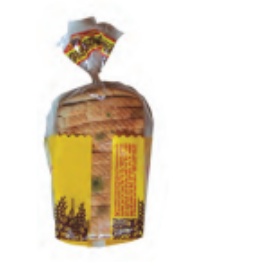
- Look at the picture of the bread packet here and guess why Biji returned it?
- How did she find that the bread had got spoilt?
- What can we know from what is written on the packet?
- When you buy anything from the market, what do you look for on the packet?
NCERT Solutions for Class 5 EVS Chapter 4 Page no: 37
Write:| Day | Changes in the bread or roti | |||
| By touch | By smell | By looking through hand lens | By colour | |
| 1. | The bread is soft and springy. | It smells fresh and yeasty. | No visible mold; the texture looks even. | Uniform, likely white or light brown, depending on the bread type. |
| 2. | Perhaps slightly less springy, but mostly unchanged. | Still smells like fresh bread, no significant change. | No changes or mold spotted. | No visible change. |
| 3. | The bread may start to feel stiffer or slightly stale. | May have a slightly sour or stale odor developing. | Still likely no visible mold. | Possibly a slight darkening or still no change. |
| 4. | Stale, harder, particularly if exposed to air. | Staler smell, signs of sourness may become apparent. | Potential beginning of mold growth, small spots might be visible. | Possible onset of darker spots indicating spoilage. |
| 5. | Hard and dry or if in a moist environment, possibly slimy where mold has begun to grow. | A strong sour or unpleasant smell likely indicates spoilage. | Visible mold colonies could be growing. | Mold may be visible to the naked eye, colour changes are apparent. |
| 6. | Very hard and dry or wet and slimy with mold. | Definite unpleasant, spoiled smell. | Clearly visible mold spores and colonies. | Mold likely covers a large area, with significant colour changes. |
- Find out the reason for these changes. From where did the fungus come on the bread?
- Different kinds of food items spoil due to different reasons. Some foods spoil soon, some stay good for long. List some seasons and conditions in which food spoils quickly.
- Food tends to spoil quickly in warm, humid conditions. Summer is a common season for faster food spoilage due to higher temperatures.
- Lack of refrigeration or poor sealing can cause food to spoil as it is exposed to air and bacteria.
- Foods high in moisture, like fruits and vegetables, may spoil faster than dry foods such as grains or nuts.
- Acidic environments can slow down spoilage, while neutral or alkaline conditions can speed it up.
- Given below are some food items and some simple methods by which these could be kept fresh for 1-2 days. Match the correct pairs:
| Food items | Methods |
| Milk | Put in a bowl and keep the bowl in a container with some water |
| Cooked rice | Wrap in a damp cloth. |
| Green coriander (Dhania) | Boil it. |
| Onion, garlic | Keep it in a dry open place. |
| Food items | Methods |
| Milk | Boil it. |
| Cooked rice | Wrap in a damp cloth. |
| Green coriander (Dhania) | Put in a bowl and keep the bowl in a container with some water. |
| Onion, garlic | Keep it in a dry open place. |

NCERT Solutions for Class 5 EVS Chapter 4 Page no: 40
Write:- Why was sugar and jaggery mixed into the mango pulp and dried in the sun?
- Why did Appa first choose the most ripe mangoes to be used for making the mamidi tandra?
- How did the brothers make the mamidi tandra? Write down step-by-step what they did for this.
- The brothers went to the market and got some things: a palm leaf mat, coconut husk string, sugar, jaggery, and some long casuarina poles.
- They used the mat and poles to build a platform.
- Then they squeezed out juice from ripe mangoes and strained it through a thin cloth to get rid of the stringy bits.
- Next, they poured the mango juice onto the mat, making sure it was spread out nicely, and left it out in the sun to dry.
- They covered the mat with a sari so dust wouldn’t get on the juice. Every day, they added more juice on top, building it up bit by bit.
- After four weeks, they had made a big, thick, golden sheet of delicious mamidi tandra.
- What things are made in your house from ripe and unripe mangoes?
- Make a list of all the different types of pickles that you know about, and share with your friends.
NCERT Solutions for Class 5 EVS Chapter 4 Page no: 41
Find out and discuss:- Is there any kind of pickle made in your house?
- What all things are needed to make any one type of pickle in your house? How is the pickle made?
- How are papad, chutney, badiyan, and sauce made in your house?
- It is a two-day journey by train from Pune to Kolkata. What food items would you carry with you? How would you pack them? Make a list on the blackboard of all the packed food. What food would you eat first?
Importance of NCERT Solutions for Class 5 EVS Chapter 4
Chapter 4 of Class 5 EVS, 'Mangoes Round the Year', takes students into the practical world of food preservation, an essential component of our daily lives. It educates them on how various foods, especially mangoes, can be enjoyed throughout the year through different preservation methods. Grasping these concepts through the NCERT solutions is critical for comprehensive learning. Created by academic professionals, these solutions provide step-by-step guidance, enabling students to navigate complex topics with ease and clarity. The solutions are designed not just to provide the correct answers but to deepen students' understanding of food science. They enhance analytical thinking by connecting theory with practical, everyday experiences. By engaging with these well-structured solutions, students develop a more nuanced appreciation of the food they consume and learn about sustainability and conservation in the context of their immediate environment.Benefits of NCERT Solutions for Class 5 EVS Chapter 4
NCERT Solutions for Class 5 EVS Chapter 4, "Mangoes Round the Year," provide essential support for students exploring the essentials of food preservation. Below are the benefits these solutions offer:- Practical Knowledge Application: The chapter delves into how mangoes can be preserved to enjoy year-round, demonstrating the practical applications of food science. Solutions guide students through the preservation process, offering valuable life skills.
- Scientific Understanding: By addressing the methods of preserving mangoes, these solutions enhance students' scientific knowledge, explaining the biological and chemical principles that prevent food spoilage.
- Analytical Skills Development: With clear explanations, students engage in critical thinking about how and why certain preservation techniques work, which in turn boosts their analytical skills.
- Exam Preparation Confidence: Comprehensive coverage of the chapter's questions equips students with the know-how to approach exams with confidence, ensuring they are well-prepared for assessment.
- Curiosity and Inquiry: Clarifications provided by NCERT Solutions help dispel any misconceptions, encouraging curiosity and a deeper inquiry into the subject of food preservation.
- Interactive Education: The rich, interactive elements included in the solutions make learning about food preservation a more captivating and immersive experience for young learners.
- Curriculum Consistency: These solutions are in line with the educational standards and the CBSE curriculum, ensuring that students are well-versed with the content that is essential for their academic success in environmental studies.
NCERT Solutions for Class 5 EVS Chapter 4 FAQs
What does 'Mangoes Round the Year' teach us?
The chapter teaches about the methods of preserving mangoes, allowing us to enjoy this fruit throughout the year, and the science behind food preservation.
Why is learning about food preservation important?
Understanding food preservation is crucial for reducing waste, saving money, and understanding the processes that keep our food safe to eat over time.
How can preserving food at home be beneficial?
Preserving food at home can teach us self-reliance, the value of local produce, and healthy eating by reducing preservatives and additives.
What are some common methods of preserving food?
Common methods include drying, pickling, freezing, and canning, each of which can extend the shelf life of various foods.
How does food preservation relate to environmental studies?
Food preservation is tied to environmental studies through its role in sustainability, resource management, and reducing our carbon footprint by minimizing food transport.







Check out these Related Articles






Join 15 Million students on the app today!
 Live & recorded classes available at easeDashboard for progress trackingMillions of practice questions at your fingertips


Free Learning Resources
PW Books
Notes (Class 10-12)
PW Study Materials
Notes (Class 6-9)
Ncert Solutions
Govt Exams
Our Other Websites
Class 6th to 12th Online Courses
Govt Job Exams Courses
UPSC Coaching
Defence Exam Coaching
Gate Exam Coaching
Other Exams
Know about Physics Wallah
Physics Wallah is an Indian edtech platform that provides accessible & comprehensive learning experiences to students from Class 6th to postgraduate level. We also provide extensive NCERT solutions, sample paper, NEET, JEE Mains, BITSAT previous year papers & more such resources to students. Physics Wallah also caters to over 3.5 million registered students and over 78 lakh+ Youtube subscribers with 4.8 rating on its app.
We Stand Out because
We provide students with intensive courses with India’s qualified & experienced faculties & mentors. PW strives to make the learning experience comprehensive and accessible for students of all sections of society. We believe in empowering every single student who couldn't dream of a good career in engineering and medical field earlier.
Our Key Focus Areas
Physics Wallah's main focus is to make the learning experience as economical as possible for all students. With our affordable courses like Lakshya, Udaan and Arjuna and many others, we have been able to provide a platform for lakhs of aspirants. From providing Chemistry, Maths, Physics formula to giving e-books of eminent authors like RD Sharma, RS Aggarwal and Lakhmir Singh, PW focuses on every single student's need for preparation.
What Makes Us Different
Physics Wallah strives to develop a comprehensive pedagogical structure for students, where they get a state-of-the-art learning experience with study material and resources. Apart from catering students preparing for JEE Mains and NEET, PW also provides study material for each state board like Uttar Pradesh, Bihar, and others
Copyright © 2026 Physicswallah Limited All rights reserved.