






Vaccination and Immunization
Vaccination and immunization are crucial components of public health strategies aimed at preventing infectious diseases. Get a detailed understanding of vaccination and immunization process here.
 Dr. Nivedita10 Apr, 2024
Share
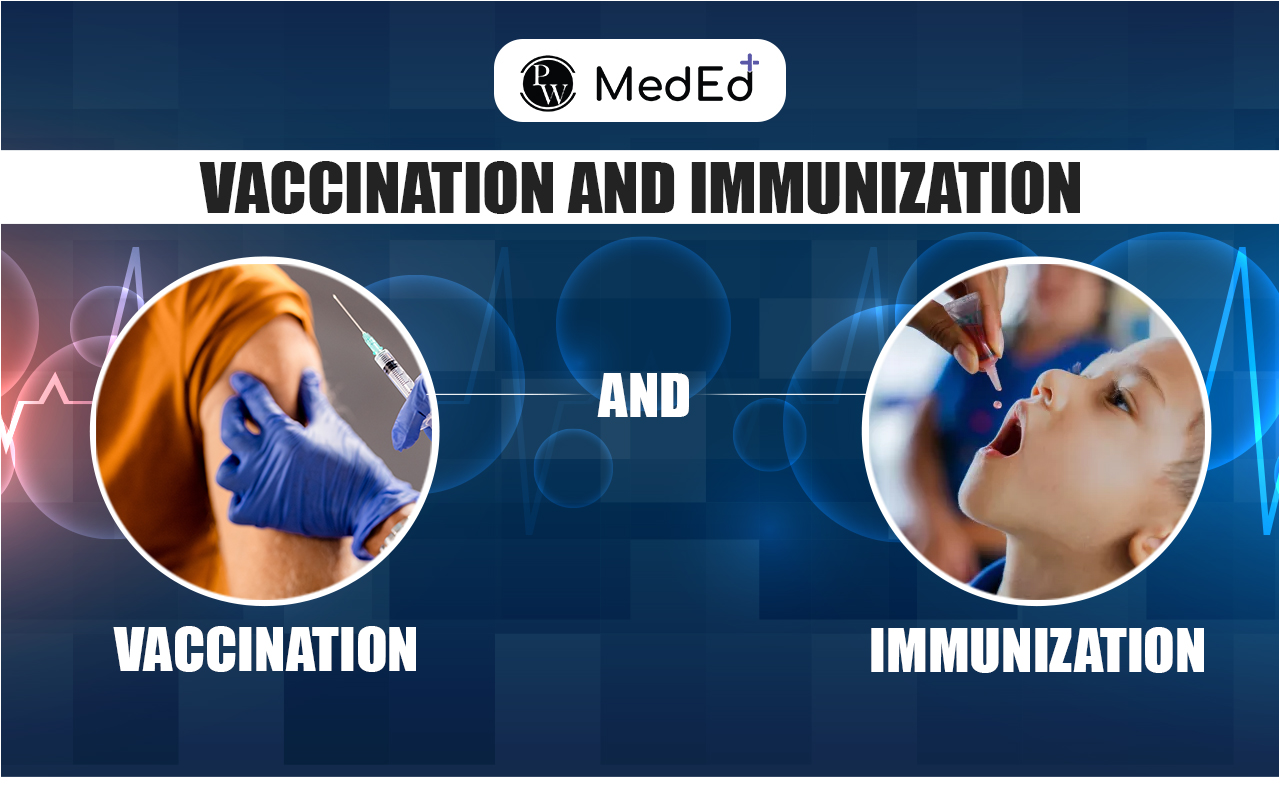
Vaccination and Immunization: Immunization is one of the most effective health investments and a crucial part of primary healthcare in terms of prevention against some of the deadliest diseases. Vaccinations are an essential part of the immunization process to prevent and manage infectious outbreaks by enhancing the body's natural immunity to create protection and reduce your chance of getting affected by certain critical diseases.
Differences Between Vaccination and Immunization
The process of receiving a vaccine by injection, oral drops, or swallowing is known as vaccination. Upon receiving a vaccine, the natural immune system of the body starts producing antibodies to defend against illness or infection. Immunization is the process of receiving a vaccine and subsequently developing an immunity that can prevent you from getting infected with specific diseases.| Difference between Vaccination and Immunization | |
| Vaccination | Immunization |
| The procedure involves using vaccines to start an immune response that helps to safeguard against infections and diseases. | The process of developing immunity to a contagious illness, usually by vaccination. |
| It is given through injections or administered orally to an individual. | It is not provided from outside. The body develops resistance on its own in response to vaccines. |
| It does not ensure complete resistance to a disease but controls its severity. | It refers to complete protection and recovery of a population from deadly diseases. |
Objectives of Immunization
The purpose of immunization is to prevent critical diseases that might affect a large part of the population. Infections like measles can result in encephalitis, leading to brain damage and blindness, while tetanus can cause excruciating pain, muscular spasms, and blood clots. Immunizations both shield us from dangerous illnesses and stop them from spreading to other people as well. In the event of actual exposure to the disease, your body will defend it more quickly since your immune system is already familiar with it. Without vaccinations, there would be a greater incidence of diseases, disabilities, and deaths.What are Vaccines?
Vaccines contain small amounts of weakened or dead viruses or bacteria called antigens that are administered in the body. The vaccine basically stimulates the body’s immune system to produce antibodies to fight against the viruses. Vaccinating the individuals helps them develop an immune response in a manner similar to that of an exposure to a disease, but without actually getting it. After receiving a vaccination for a specific disease, your chances of getting infected by the illness are significantly reduced. Even if you contract the disease, your sickness will probably be less severe.Components of a Vaccine
In order to ensure safety and efficacy, vaccines are made up of the following components:- Antigen: It is a weakened or dead version of a virus or bacteria that triggers the body’s immune response to identify and combat the illness.
- Adjuvants : They improve the effectiveness of the product by supporting and strengthening the immune system.
- Preservatives: They guarantee the efficacy for a longer period of time.
- Stabilizers : They safeguard the medicine from damage during transportation and storage.
How Many Doses of Vaccinations Are Required?
The primary course includes vaccination doses that help build strong immunity responses. Sometimes, an additional dose is required after the initial course, which is known as a booster dose. It gives your immune system a 'boost' to help you achieve a higher level of disease protection. To provide long-lasting protection, the doses must be administered at different intervals.Effectiveness of Vaccination
- A community with high vaccination rates is more immune to vaccine-preventable diseases. In such situations, even those with low resistance are less likely to be affected by these diseases because of its low prevalence in the community.
- Vaccines like the whooping cough give protection to approximately 8 out of 10 people. In the event of a disease outbreak, these vaccinations hold significant safeguards by lowering the risk of generating a life-threatening illness.
- Immunization benefits don’t last throughout the lifespan of an individual. Tetanus vaccines have a maximum effectiveness of 10 years, based on your age; beyond that, a booster dose will be required to regain your immunity.
- It is recommended to administer the influenza vaccine every year because the most frequent strain of the flu virus in the community varies from year to year.
Side Effects of Vaccination
Vaccination may produce minor side effects such as a low-grade fever and soreness or redness at the location where it is being injected. These reactions go away on their own in a few days. It is extremely rare to have any adverse side effects that are severe or persistent. Before being authorized for use, any vaccine must pass numerous stages of testing and frequent analysis to ensure its safety and effectiveness. Additionally, scientists are continuously reviewing data from multiple sources for any indication that a vaccine poses a risk to public health. It is important to note that the proven advantages of vaccinations to fight deadly illnesses greatly surpass the negligible side effects and discomforts linked to them.Pre-Conditions for Vaccination
Almost everybody can receive a vaccination based on the requirements. However, in certain conditions, people should wait to receive particular vaccines or shouldn't receive them due to some medical issues. Usually, vaccination is not advised in the following situations:- People undergoing treatment for chronic illnesses or therapies that might affect the immune system (e.g., chemotherapy).
- Severe allergies to the chemicals in vaccines that might endanger lives.
- The person is seriously ill and has a high temperature.
Vaccination and Immunization FAQs
What is the DPT vaccination administered to children?
It is a combined vaccination given to children for protection against three deadly diseases like diphtheria, polio, and tetanus (DPT).
What is herd immunity?
When most members of a population become immune to a communicable disease, either as a result of immunization or prior infection, this phenomenon is known as herd immunity.
What are the recommended immunizations for a child under 6 years old?
A child aged between 0 and 6 years needs immunization for some critical diseases, which include hepatitis, polio, diphtheria, tetanus, rotavirus, measles, mumps, rubella, chickenpox, and others.
How are the polio shots administered to children?
Polio shots are given orally to children.
Is there any connection between vaccination and autism?
No link between vaccination and autism has been established till now based on various studies and research conducted involving a large population.


Talk to a counsellorHave doubts? Our support team will be happy to assist you!


Check out these Related Articles






Join 15 Million students on the app today!
 Live & recorded classes available at easeDashboard for progress trackingMillions of practice questions at your fingertips


Free Learning Resources
PW Books
Notes (Class 10-12)
PW Study Materials
Notes (Class 6-9)
Ncert Solutions
Govt Exams
Our Other Websites
Class 6th to 12th Online Courses
Govt Job Exams Courses
UPSC Coaching
Defence Exam Coaching
Gate Exam Coaching
Other Exams
Know about Physics Wallah
Physics Wallah is an Indian edtech platform that provides accessible & comprehensive learning experiences to students from Class 6th to postgraduate level. We also provide extensive NCERT solutions, sample paper, NEET, JEE Mains, BITSAT previous year papers & more such resources to students. Physics Wallah also caters to over 3.5 million registered students and over 78 lakh+ Youtube subscribers with 4.8 rating on its app.
We Stand Out because
We provide students with intensive courses with India’s qualified & experienced faculties & mentors. PW strives to make the learning experience comprehensive and accessible for students of all sections of society. We believe in empowering every single student who couldn't dream of a good career in engineering and medical field earlier.
Our Key Focus Areas
Physics Wallah's main focus is to make the learning experience as economical as possible for all students. With our affordable courses like Lakshya, Udaan and Arjuna and many others, we have been able to provide a platform for lakhs of aspirants. From providing Chemistry, Maths, Physics formula to giving e-books of eminent authors like RD Sharma, RS Aggarwal and Lakhmir Singh, PW focuses on every single student's need for preparation.
What Makes Us Different
Physics Wallah strives to develop a comprehensive pedagogical structure for students, where they get a state-of-the-art learning experience with study material and resources. Apart from catering students preparing for JEE Mains and NEET, PW also provides study material for each state board like Uttar Pradesh, Bihar, and others
Copyright © 2026 Physicswallah Limited All rights reserved.