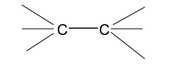
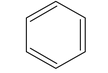
Acyl Goup
IUPAC & GOC of Class 12
(i) Naming Acyl Groups- Acid halide and Anhydrides
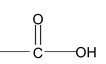
The group obtained from a carboxylic acid by the removal of the hydroxyl portion is known as an acyl group. The name of an acyl group is created by changing the - ic acid at the end of the name of the carboxylic acid to –yl, examples:
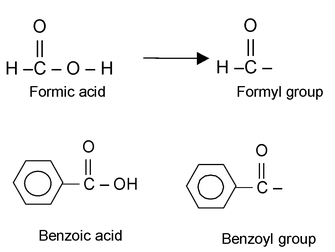
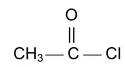
(a) Acid Halide
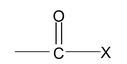
IUPAC name of acid halide is alkanoyl halide.
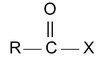 where X may be Cl, Br, I
Acid chlorides are named systematically as acyl chlorides.
(b) Acid anhydride
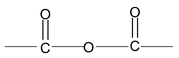
An acid anhydride is named by substituting anhydride for acid in the name of the acid from which it is derived.
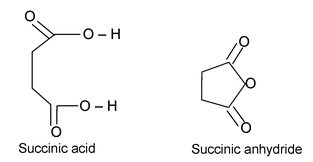
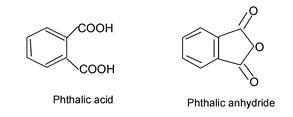
IUPAC name of acid anhydride is alkanoic anhydride.
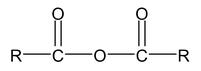
Example:
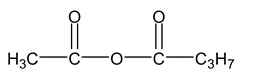
Butanoic, ethanoic anhydride
(ii) Naming Salts and Esters
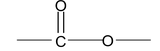
General formula of ester RCOOR′
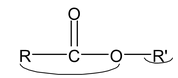
IUPAC name: Alkyl alkanoate
Example:
CH3COOC2H5 (Ethyl ethanoate)
The name of the cation (in the case of a salt) or the name of the organic group attached to the oxygen of the carboxyl group (in the case of an ester) precedes the name of the acid.
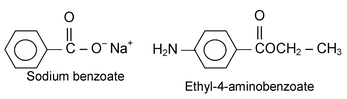
(iii) Name of Amides and Imides
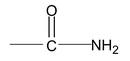
The names of amides are formed by replacing –oic acid (or –ic acid for common names) by amide or –carboxylic acid by carboxamide.
IUPAC name of acid amide is alkanamide
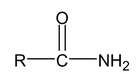
Example:
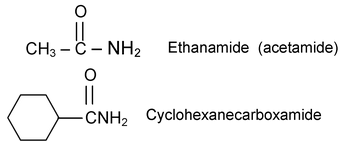
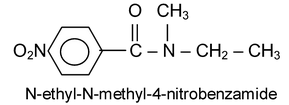
If the nitrogen atom of the amide has any alkyl groups as substitutents, the name of the amide is prefixed by the capital letter N; to indicate substitution on nitrogen, followed by the name(s) of alkyl group(s).
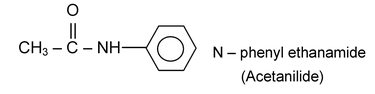
If the substituent on the nitrogen atom of an amide is a phenyl group, the ending for the name of the carboxylic acid is changed to anilide
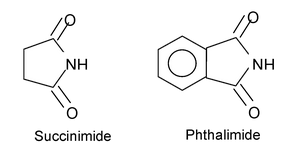
Some dicarboxylic acids form cyclic amides in which two acyl groups are bonded to the nitrogen atom. The suffix imide is given to such compounds.
8. AMINE
Nomenclature of amines
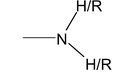
Nomenclature of amines is quite simple. Aliphatic amines are named by naming the alkyl group (or) groups attached to nitrogen , and following that by the word amine.
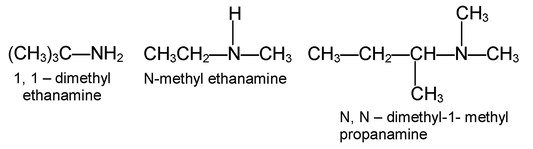
More complicated amines are often named as prefixing amino - (or-N-methylamino -, N-N, diethyl amino -, etc) to the name of the parent chain.

Aromatic amines - those in which nitrogen is attached to an aromatic ring - are generally named as derivatives of the simplest aromatic amine, aniline.
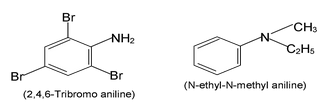
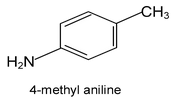
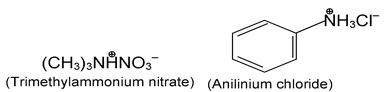
Salts of amines are generally named by replacing - amine by - ammonium (or - aniline by - anilinium), and adding the name of the anion.
9. NITRO ALKANE
General formual CnH2n+1.NO2
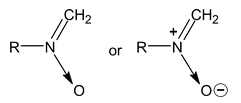
Nitro alkane
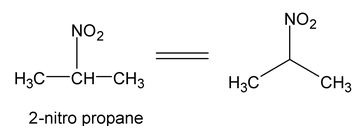
Example:
|
|
|
|
|
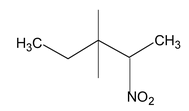
2 nitro 3, 3 dimethyl pentane |
Alkyl nitrites
Common name is alkyl nitrite there is no IUPAC name of nitrite.
R – O – N = O Alkyl nitrite
CH3CH2 – O NO Ethyl nitrite
10. ALKYL CYANIDE
R – C ≡ N Alkane nitrile
Example:
CH3 – C ≡ N Ethane nitrile
|
|
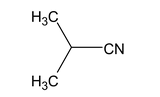
2 methyl propane nitrile |
Alkyl iso cyanide RNC
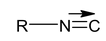
Alkyl iso nitrile or alkyl iso cyanide.
There is no specific IUPAC name for alkyl iso cyanide or isonitrile.
CH3NC Ethyl isonitrile
When a compound contains more than one functional group, the numbering and the suffix in the name of multifunctional compound are determined by nomenclature priority.
Preference Order
|
Class |
Formula |
Suffix (if present as a functional group) |
Prefix (if present as a substituent) |
|
Carboxylic acid |
|
−oic acid |
Carboxy |
|
Acid ahydrides |
|
−oic anhydride |
|
|
Eaters |
|
Alkyl alkanoate |
Alkoxycarbonyl |
|
Acyl halides |
|
−oyl halide |
Haloalkanoyl |
|
Amides |
|
-amide |
Carbamoyl |
|
Nitriles |
− C ≡ N |
Nitrile |
Cyano |
|
Aldehydes |
|
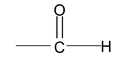
−al |
Formyl |
|
Ketones |
|
−one |
Oxo |
|
Alcohols |
−OH |
−ol |
Hydroxy |
|
Amines |
|
Amine |
Amino |
|
Etehrs |
− O − |
Alkoxy alkane |
−oxy |
|
Alkenes |
|
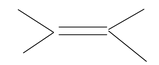
−ene |
Alkenyl |
|
Alkynes |
− C ≡ C − |
-yne |
Alkynyl |
|
Halides |
−X |
− |
Halo |
|
Nitro |
−NO2 |
− |
Nitro |
|
Alkanes |
|
−ane |
Alkyl |
|
Benzene |
|
Benzene |
Phenyl |